Families with large laundry loads
If you wash several pairs of pyjamas with other laundry, check whether the lower drying capacity means you’ll need to run an extra cycle.


A washer-dryer could be right for you if you only have space for one appliance and your tumble-dryer-safe load of pyjamas fits within its lower wash-and-dry capacity. Germany’s Verbraucherzentrale advises that the drying capacity is lower than the washing capacity. Before starting a programme, check the care labels on the pyjamas you plan to wash: GINETEX explains that they show how the fabric can be cared for. If you regularly wash larger loads and have enough room, consider separate appliances instead. Air-drying is an option when the care label rules out tumble-drying.
If you wash several pairs of pyjamas with other laundry, check whether the lower drying capacity means you’ll need to run an extra cycle.
If you only have room for one appliance, a washer-dryer could be a good fit. Remember to factor in the longer cycle times and the energy use of both functions.
If you wash cotton pyjamas with different care requirements, compare their individual care labels with the appliance’s programmes and drying options.
Right for you if: you only have space for one appliance and your tumble-dryer-safe load fits within the stated wash-and-dry capacity.
The trade-off: If the washer is full, you may need to take some laundry out before drying.
Right for you if: you need a single appliance and regularly use the tumble-dryer function, making the energy use of the full cycle an important consideration.
The trade-off: The type of technology alone won’t tell you how its energy use compares with another model, or whether it can dry a full washing load.
Right for you if: you have enough space, or a pyjama’s care label rules out tumble-drying.
The trade-off: Two appliances need more space. When drying laundry indoors, good ventilation and heating are important, as Germany’s Verbraucherzentrale explains.
| What matters | What to check when buying | Who it matters to most |
|---|---|---|
| Capacity for a continuous wash-and-dry cycle | Compare the washing and wash-and-dry capacities of the model with the tumble-dryer-safe load you usually wash. | If I want to dry several pairs of pyjamas with the rest of the family’s laundry, the lower drying capacity matters to me. Around 31% of consumers say load size is their main concern. |
| Caring for pyjamas | Read the care labels and check that the model’s programmes match the permitted washing and drying methods. | If my pyjamas have different care requirements on their labels, I want to be able to sort them before drying. Around 25% of consumers prioritise fabric care. |
| Energy use if you dry regularly | Compare the figures for washing alone and for the complete wash-and-dry cycle separately. | If I tumble-dry regularly, I want to understand the energy use for that specific function. Around 25% of consumers say running costs are their main concern. |
| Space and installation | Check the appliance’s dimensions, door opening, connections and installation requirements. | If I only have room for one appliance, I need a solution that will fit in that space. Around 19% of consumers say available space is the deciding factor. |
The stated washing capacity may be greater than the amount of laundry the appliance can then dry. A larger load may need an additional drying cycle.
Compare both capacity figures in kilograms. If you want washing and drying to run back-to-back, plan your load around the drying capacity.
Washing alone and washing followed by drying are different operating modes, and their figures are listed separately.
If you dry laundry regularly, compare the figures for complete wash-and-dry cycles on a like-for-like basis.
The fibre content alone doesn’t determine whether a finished garment can be tumble-dried. The care label on the specific pair of pyjamas is what matters.
Read the care instructions and remove any items that aren’t suitable for tumble-drying before starting the drying stage.
The models listed offer different balances between washing capacity and drying capacity.
The 7000 series is represented here by the LWR7F65605 washer-dryer.
The Series 6 WNG24441 washer-dryer combines a cotton programme with separately stated capacities.
The iQ500 WN44G243 is a comparison model with a higher capacity for washing alone.
This selection includes washer-dryers and separate washing machines and tumble-dryers for households that want to wash cotton laundry according to its care label and, where suitable, tumble-dry it. New appliances in this product group must meet EU ecodesign and energy labelling requirements. Before buying, check that the energy label and details for the specific offer are visible and consistent. The European Commission and Your Europe explain the labelling requirements.
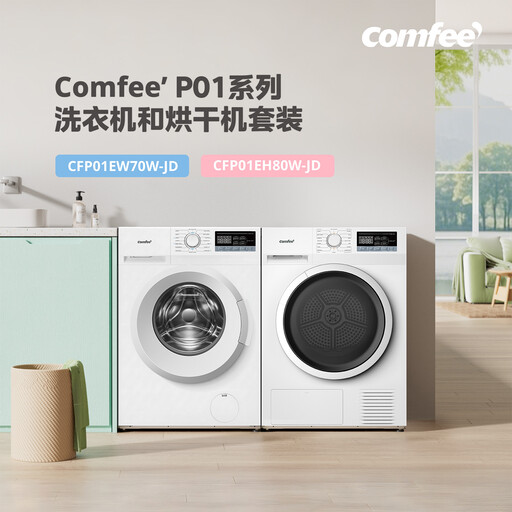 No image available
This combination of separate appliances could work if you have room for both a washing machine and a tumble-dryer.
 No image available
For households that want to wash and dry with one appliance. Listed features include a washing capacity of 10 kg, a drying capacity of 6 kg, heat pump technology and Zeo-cycle drying technology.
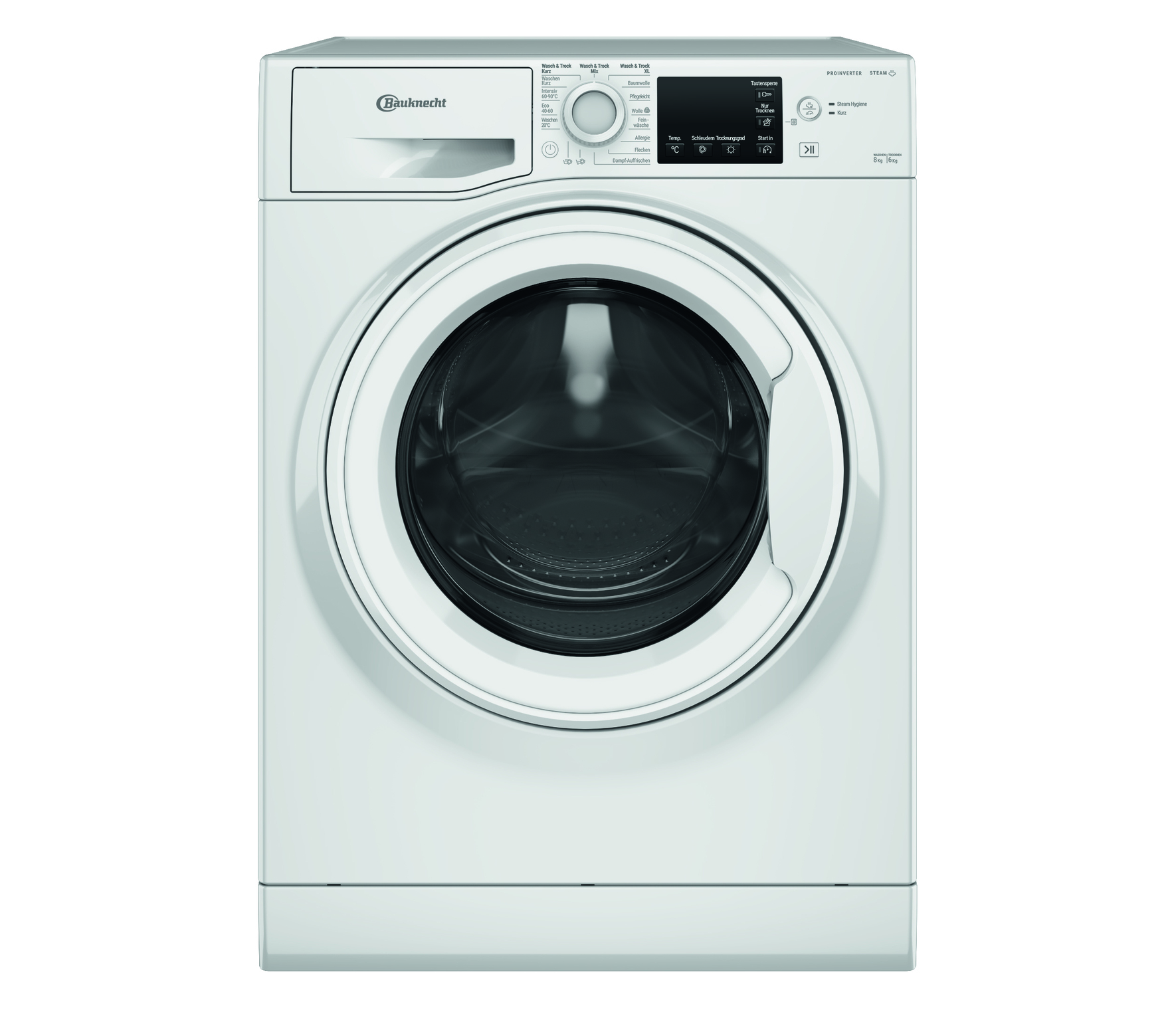 No image available
For households that want to wash and dry with one appliance, provided the tumble-dryer-safe load fits within the drying capacity. Listed specifications include 8 kg for washing, 6 kg for drying and 1,400 rpm. The product name also mentions Steam Refresh.
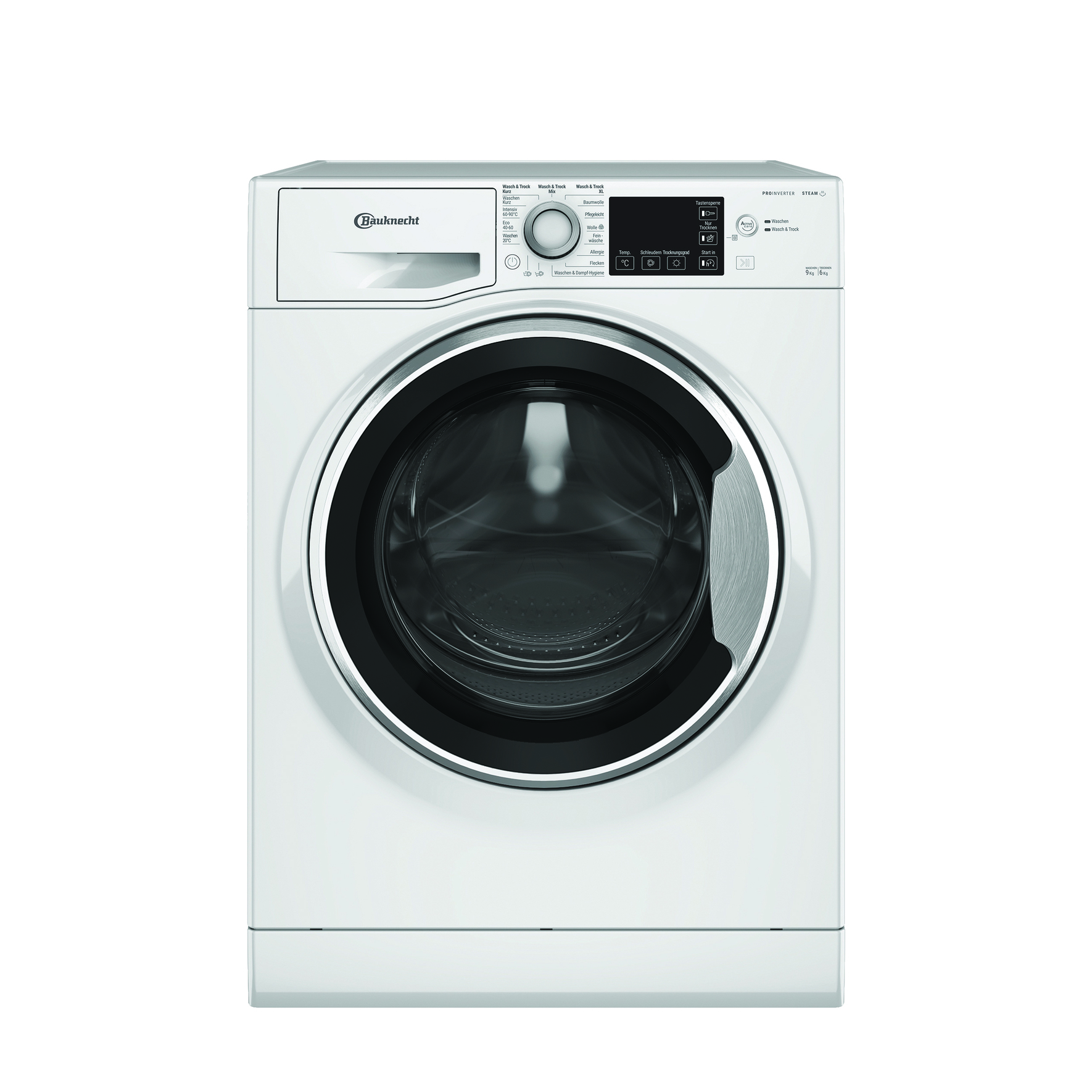 No image available
For washing and drying in one appliance, as long as the load stays within the lower drying capacity. The product name lists a washing capacity of 9 kg, a drying capacity of 6 kg and a spin speed of 1,400 rpm.
 No image available
This stacked solution could suit households that want to use a separate washing machine and tumble-dryer but stack them to save space. Listed features include a washing capacity of 12 kg, a drying capacity of 10 kg, a heat pump tumble-dryer and a cotton programme.
No. The care label on the specific pair of pyjamas is what matters. It shows whether tumble-drying is allowed or restricted. You should also follow the maximum washing temperature shown on the label.
No. Washing and drying capacities can differ. AEG lists a washing capacity of 10 kg and a drying capacity of 6 kg for the AEG LWR7F65605. Always compare both figures for the specific model.
Compare the figures for the operating mode you actually plan to use. A figure for washing alone doesn’t describe the complete wash-and-dry cycle. To estimate your own costs, you’ll also need to know how many cycles you plan to run and your electricity tariff.
Check the appliance’s dimensions, door opening, connections and installation requirements against the instructions for the specific model. LG notes that installation requirements can vary by model.
This product group is subject to EU ecodesign and energy labelling requirements. The required label must also be visible when shopping online. It provides information but doesn’t prescribe a particular efficiency class for your purchase.