Who might benefit from a washer-dryer?

Households without space to dry clothes

If there’s no room for a clothes airer or a second appliance, a washer-dryer can let you wash and dry your clothes in the space used by a single appliance. The Verbraucherzentrale notes, however, that these combination appliances use more electricity and water than separate machines.

Households focused on caring for cotton

If you want to avoid damaging your shorts, follow the care label for each garment when choosing the wash temperature and drying method. GINETEX care symbols distinguish, among other things, between tumble drying at a normal or low temperature and a ban on tumble drying.

Households weighing up running costs

If you have a practical alternative for drying clothes, you can weigh the space-saving benefits of a washer-dryer against the consumption figures for a complete cycle. The Umweltbundesamt recommends drying laundry on a washing line or clothes airer whenever possible.

What should you look for when buying?

Washer-dryer

A good fit if: you don’t have a usable space to dry clothes or room for a second appliance, and your shorts can be tumble dried.

The trade-off: drying capacity may be lower than washing capacity. The Verbraucherzentrale says washer-dryers use more electricity and water than separate appliances.

Washing machine and air-drying

A good fit if: you have a suitable place to dry clothes, or the care label on your shorts says they must not be tumble dried.

The trade-off: air-drying takes up space and time. The Umweltbundesamt recommends using dedicated drying rooms where available; if you dry clothes indoors, ventilate the room regularly.

Washing machine and separate tumble dryer

A good fit if: you have room for both appliances, or a compatible stacking kit that can be fitted securely in line with the manufacturer’s instructions, and regularly need to dry larger loads of tumble-dryer-safe laundry.

The trade-off: you’ll need enough space for two appliances. The Verbraucherzentrale says separate machines use less electricity and water than washer-dryers.

Buying criterion What to look for Who should pay particular attention
Drying space and installation space Check the appliance dimensions against the installation space and delivery route; see whether you have access to a suitable drying room. If neither a clothes airer nor space for a second appliance is an option, finding the right washer-dryer is especially important. Around 36% of consumers prioritise drying space and fitting the appliance.
Care label Check the wash temperature and tumble-drying symbol on each pair of shorts, then choose a suitable programme on the specific appliance. If you want to follow the care instructions for each garment, make fabric care a priority. Around 29% of consumers prioritise laundry care.
Consumption for a complete cycle Compare the EU label figures for washing and for washing plus drying separately: kWh per 100 cycles and litres per cycle. If you have a practical alternative for drying clothes and want to weigh up ongoing electricity and water costs, compare the figures for the relevant cycles. Around 21% of consumers prioritise consumption.
Drying capacity and cycle time Compare the stated wash-and-dry capacity with your usual load, and check how long the complete cycle takes. If you want a load to run through without removing any clothes, or often have several loads to do one after another, drying capacity and cycle time are key. Around 14% of consumers prioritise throughput and time.

Common buying and care mistakes

  • Focusing only on washing capacity

    The stated washing capacity may be higher than the amount of laundry the appliance can dry straight afterwards. If you want to run a complete cycle without interruption, the stated wash-and-dry capacity is what matters.

    Compare the drying capacity with your usual load before choosing a model.

    If some of your laundry won’t fit in a complete cycle, you may need to run another drying cycle.

  • Assuming all cotton is suitable for tumble drying

    The fibre type alone doesn’t tell you whether a particular garment can be tumble dried. Always follow the care label on the individual pair of shorts.

    Before using a combined programme, check the wash and tumble-drying symbols on each garment.

  • Comparing only the energy used for washing

    EU labelling and the Verbraucherzentrale distinguish between washing alone and a complete wash-and-dry cycle. The figure for a wash programme on its own doesn’t automatically include the energy and water used for drying afterwards.

    Compare figures on the same cycle basis. Factor in how often you use the appliance and your tariff only if they’re relevant to the calculation.

Brands to consider

Bosch

The WNA13441 is an example of a washer-dryer with a stated cotton programme.

  • Bosch Hausgeräte Deutschland lists a 9 kg washing capacity, a 5 kg wash-and-dry capacity and dimensions of 848 × 598 × 590 mm.
  • Drying capacity is lower than washing capacity. Also check the actual installation space and delivery route.

LG

The W4WR7096YB is a useful comparison if a stated wash-and-dry capacity of 6 kg is important to you.

  • LG Deutschland lists a 9 kg washing capacity and a 6 kg drying capacity.
  • Drying capacity is still lower than washing capacity, so check whether 6 kg is enough for your usual load.

Siemens

The iQ700 WN54C2A40 illustrates how a higher washing capacity can come with a lower, separately stated drying capacity.

  • Siemens Hausgeräte Deutschland lists a 10,5 kg washing capacity, a 6 kg wash-and-dry capacity and dimensions of 848 × 598 × 622 mm.
  • The higher washing capacity doesn’t increase the stated drying capacity. According to the manufacturer, app features may require an internet connection, a Home Connect account and additional registration.

Samsung

The WD90DG6G94BBU2 is an example of a model with a particularly low stated appliance depth.

  • Samsung Deutschland lists dimensions of 600 × 850 × 480 mm, with a 9 kg washing capacity and a 5 kg drying capacity.
  • The stated depth doesn’t guarantee that the connections and required clearance will fit in every installation space. Samsung Deutschland marks this model as unavailable to buy, so don’t assume it’s currently available without checking first.

Washer-dryers at Joybuy

These washer-dryers combine washing and drying in one appliance. Compare the stated drying capacity with your usual load and the space available for installation.

Roborock Zeo Lite washer-dryer, 10 kg washing and 6 kg drying, white

Roborock Zeo Lite washer-dryer, 10 kg/6 kg, white

For households looking to combine washing and drying in one appliance. If you run a complete cycle, bear in mind the lower drying capacity of 6 kg.

10 kg washing capacity, 6 kg drying capacity; Zeo-Cycle drying and LintClear self-cleaning are listed for this model; energy class E.

View at Joybuy
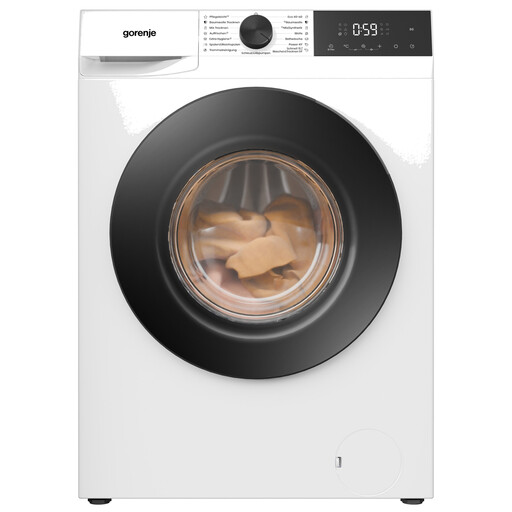
GORENJE WD5G2P1174A2DP2 washer-dryer, 11 kg/7 kg, white

GORENJE WD5G2P1174A2DP2 washer-dryer, 11 kg/7 kg, white

For households looking for a washer-dryer with a stated drying capacity of 7 kg. For a complete cycle, the drying limit is what matters.

11 kg washing capacity and 7 kg drying capacity.

View at Joybuy

Beko BM3DT4944W washer-dryer, 9 kg/6 kg, 1400 rpm

Beko BM3DT4944W washer-dryer, 9 kg/6 kg

For households comparing washer-dryers with a stated cotton programme and combined washing and drying functions. The programme doesn’t replace checking the care label.

9 kg washing capacity, 6 kg drying capacity, 1400 rpm; a cotton programme is listed for this model.

View at Joybuy
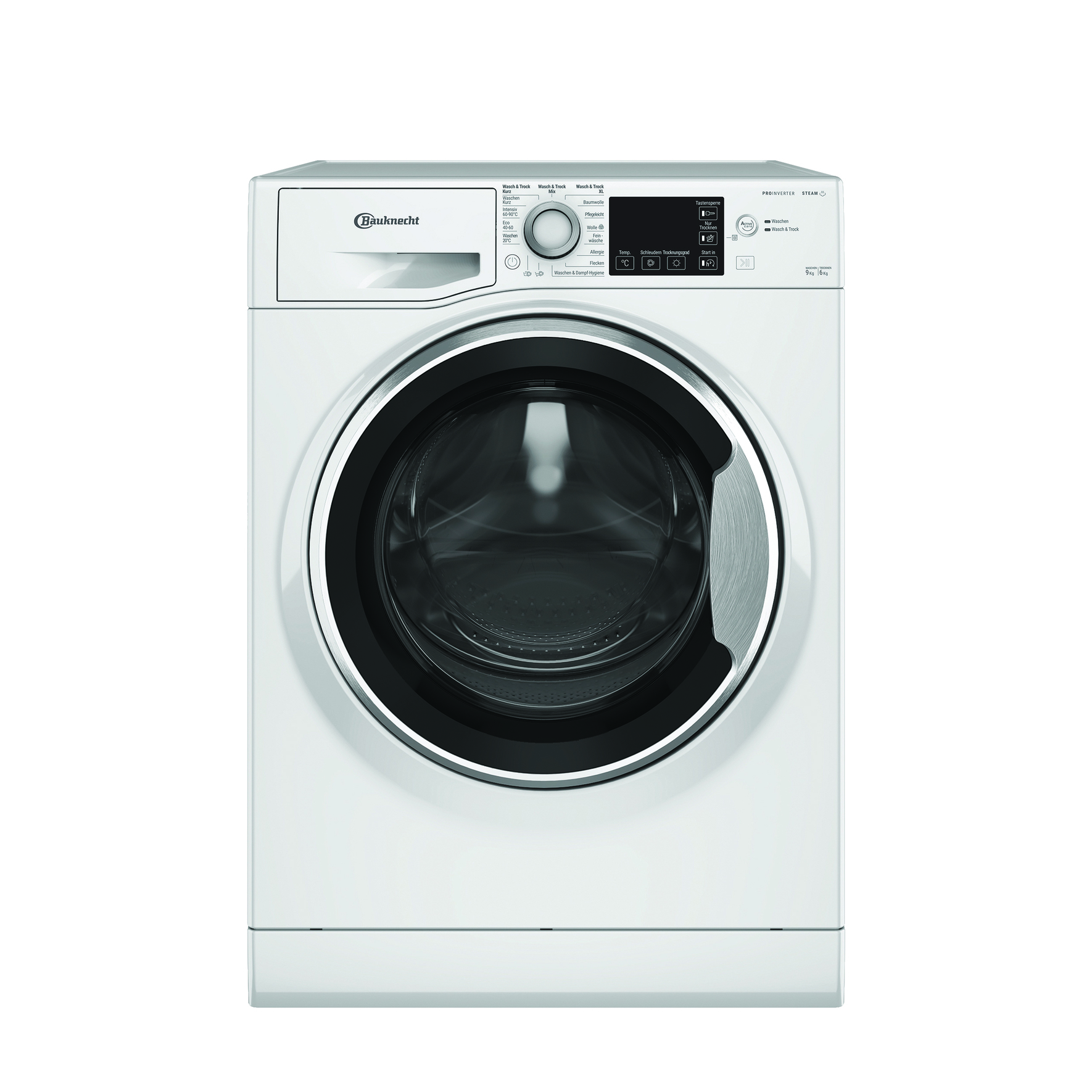
Bauknecht WADR ACTIVE 9614 D washer-dryer, 9 kg/6 kg, 1400 rpm

Bauknecht WADR ACTIVE 9614 D washer-dryer, 9 kg/6 kg

For households comparing a freestanding washer-dryer with stated washing and drying capacities and listed appliance dimensions.

9 kg washing capacity, 6 kg drying capacity, 1400 rpm.

View at Joybuy
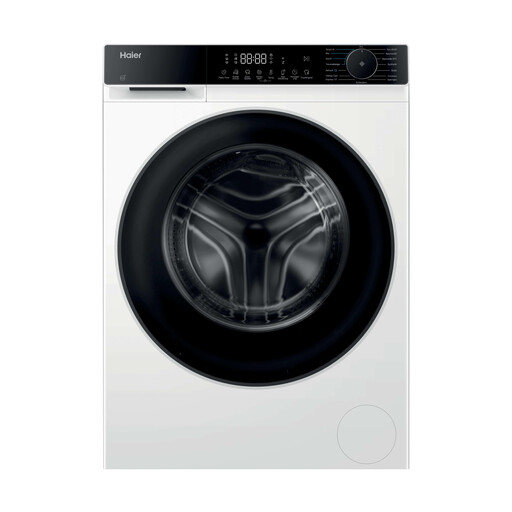
Haier X5 Series HWD120-BP14357U1 washer-dryer, 12 kg/8 kg

Haier X5 Series HWD120-BP14357U1 washer-dryer, 12 kg/8 kg

For households looking to match a higher stated drying capacity to the space available for the appliance.

12 kg washing capacity and 8 kg drying capacity; the product title lists the energy efficiency rating A-20%/D.

View at Joybuy

Frequently asked questions

Can I always tumble dry cotton shorts in a washer-dryer straight after washing them?

No. The care label on each pair of shorts is what matters. It distinguishes, among other things, between tumble drying at a normal or low temperature and a ban on tumble drying. Your laundry load must also be within the stated drying capacity for a complete cycle.

Which consumption figure matters for a wash-and-dry cycle?

Compare the figures for the complete wash-and-dry cycle, not just those for washing alone. The EU label shows energy use per 100 cycles and water consumption separately for each cycle type.

What should I check before installing or stacking appliances?

Check the dimensions of the specific appliance and the delivery route against the available space, and follow the manufacturer’s installation and connection instructions. For two separate appliances stacked on top of each other, Bosch Hausgeräte Deutschland lists a stacking kit for secure installation. Whether it’s suitable depends on the appliances in question.

Is air-drying indoors a suitable alternative?

That depends on the space available and how you manage the extra moisture. The Umweltbundesamt recommends using dedicated drying rooms where possible and ventilating regularly when drying laundry indoors.

Which EU labelling requirements are relevant when buying a household washer-dryer?

According to the European Commission, household washer-dryers sold in the EU must meet ecodesign and energy labelling requirements. Compare the label figures for washing and washing plus drying separately.