A washer-dryer can be a good fit for washing cotton tablecloths in a small flat if you don’t have a suitable place to dry them and there’s enough room for the appliance and its connections. If you can dry your tablecloths elsewhere, it’s also worth considering a washing machine on its own. F.A.Z. Kaufkompass points out that drying capacity may be lower than washing capacity. So check the care label and compare the separate consumption figures for washing and washing with drying before you decide.
Who is a washer-dryer suitable for?
Households without space to dry laundry
If there’s nowhere to hang large tablecloths, an appliance with washing and drying functions can save space by doing away with the need for a separate tumble dryer. The consumer advice centre recommends carefully considering whether you have room to install the appliance and how often you’ll use its drying function.
Households with large tablecloths
If you wash bulky cotton items, consider washing and drying capacities separately. F.A.Z. Kaufkompass points out that you may need to remove some laundry before drying a full wash load.
Households that do laundry frequently
If you wash and dry laundry often, compare suitable programmes and the consumption figures for each operating mode. The European Commission explains that the energy label shows figures for different cycles.
What should you look for when buying?
First, decide whether you really need the integrated drying function. Then compare where the appliance will go, how to care for your tablecloths and the consumption figures of suitable models.
| What matters |
What to look for when buying |
Who should pay particular attention? |
| Space and connections |
Check the appliance dimensions against the available space, door opening and connections. |
If every bit of space counts in my small flat, I want to make sure the appliance and its connections will fit before buying. Around 26% of consumers put space and connections first. |
| Drying capacity |
Check washing and drying capacities separately, and take the size and weight of your tablecloths into account. |
If I want to wash and dry large tablecloths in one go, the lower drying capacity is a key consideration. Around 26% of consumers prioritise drying capacity. |
| Caring for cotton |
Check the care label, suitable programmes and how much detergent to use. |
If my tablecloths are stained, I want to choose a programme that follows their care label. Around 21% of consumers put fabric care first. |
| Electricity and water |
Compare the EU energy label figures for washing and washing with drying separately. |
If I wash or dry laundry often, I want to factor the relevant consumption figures into my ongoing decision. Around 16% of consumers put running costs first. |
| Noise and everyday use |
Compare spin noise and cycle duration for the specific model. |
If the appliance is near living areas, I want to know how the spin cycle and cycle times will fit into my daily routine. Around 11% of consumers prioritise noise and ease of everyday use. |
Common buying and usage mistakes
-
Looking only at washing capacity
Drying capacity may be lower, so you might not be able to dry a full wash load completely in the same cycle.
Compare both capacity figures and take the size and weight of your tablecloths into account.
If you need to remove some laundry before drying, you may need to run an extra cycle, which takes more time.
-
Comparing consumption figures for different operating modes
A wash-only cycle and a complete wash-and-dry cycle are not the same basis for comparing consumption.
Compare figures for the same operating mode on the EU energy label. The European Commission explains the figures shown.
-
Assuming all cotton is suitable for tumble drying
The fibre content alone doesn’t tell you whether a particular tablecloth can be tumble dried or which wash temperature is suitable.
Check the care label on each tablecloth before running a wash-and-dry cycle.
-
Assuming that saving space means lower overall costs
A combined appliance saves the space needed for a separate tumble dryer, but that doesn’t automatically mean it uses fewer resources.
First check whether you can dry your laundry another way, then compare the consumption figures for the operating modes you’re actually considering.
Key brands at a glance
AEG
The AEG 9000 L9WEF80690 is a heat pump washer-dryer worth comparing if you regularly tumble dry your laundry.
- AEG lists a washing capacity of 9 kg, a drying capacity of 6 kg and consumption of 252 kWh per 100 complete cycles for this model.
- These figures apply to this model and don’t indicate how other appliances from the brand perform. Check the dimensions and consumption figures against your needs.
LG
The LG V7WD96H1A is a washer-dryer with a washing capacity of 9 kg and a drying capacity of 6 kg. LG lists a cotton programme for this model.
- The capacity figures help you plan your wash and drying loads separately.
- A claim about fibre protection refers to other models mentioned and isn’t evidence of a measured benefit when washing tablecloths in the V7WD96H1A.
Bosch
The Bosch Serie 8 WNC254A40 is a comparison model with separate figures for washing capacity and wash-and-dry capacity.
- Bosch lists a washing capacity of 10.5 kg, a wash-and-dry capacity of 6 kg, dimensions of 848 × 598 × 622 mm and AquaStop.
- The higher washing capacity doesn’t mean the same load can also be dried completely.
Samsung
The Samsung WD5000T WD8ETA049BX/EG is an 8/5 kg model to compare for dimensions and capacity.
- Samsung lists dimensions of 600 × 850 × 600 mm, a washing capacity of 8 kg and a drying capacity of 5 kg for this model.
- Comparisons of washing performance with other appliances don’t prove how well this model removes stains from tablecloths.
Beko
The freestanding Beko BM3DT4844W1 is another model to compare for dimensions and spin noise.
- Beko lists a width of 60 cm, a depth of 57 cm and a spin noise level of 75 dB(A).
- Information about drum movement isn’t an independent test using cotton tablecloths.
Washer-dryers at Joybuy
This selection of washer-dryers at Joybuy includes models for washing and then drying cotton items. Pay particular attention to the separate capacity figures and the space you’ll need.
 No image available
LG WT1210EGF WashTower, 12 kg washing / 10 kg drying
Could suit households looking to combine washing and drying in one appliance. Check the available height first.
Washing capacity of 12 kg and drying capacity of 10 kg; heat pump tumble dryer. The stated height is 165.5 cm.
View at Joybuy
 No image available
LG WT1210WWF, 12 kg washing / 10 kg drying
An option if you’re looking for one appliance that washes and dries, and its drying capacity is suitable for your tablecloths.
Washing capacity of 12 kg and drying capacity of 10 kg; Dual Inverter heat pump.
View at Joybuy
 No image available
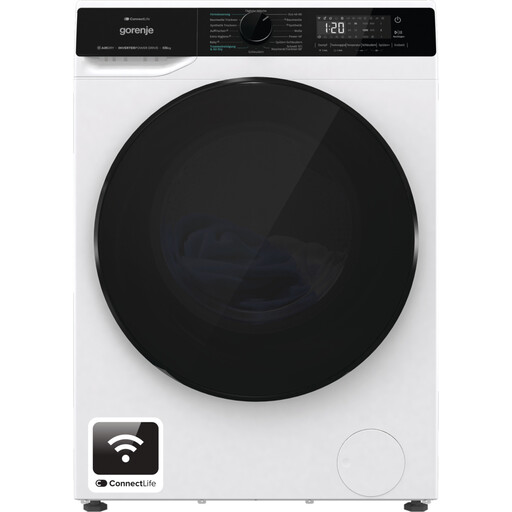
Gorenje WD2PA854ADW
Could be worth considering if space is limited, provided the stated depth and separate capacity figures suit your laundry.
Washing capacity of 8 kg and drying capacity of 5 kg; 16 programmes. The stated energy efficiency class for washing and drying is D.
View at Joybuy
 No image available
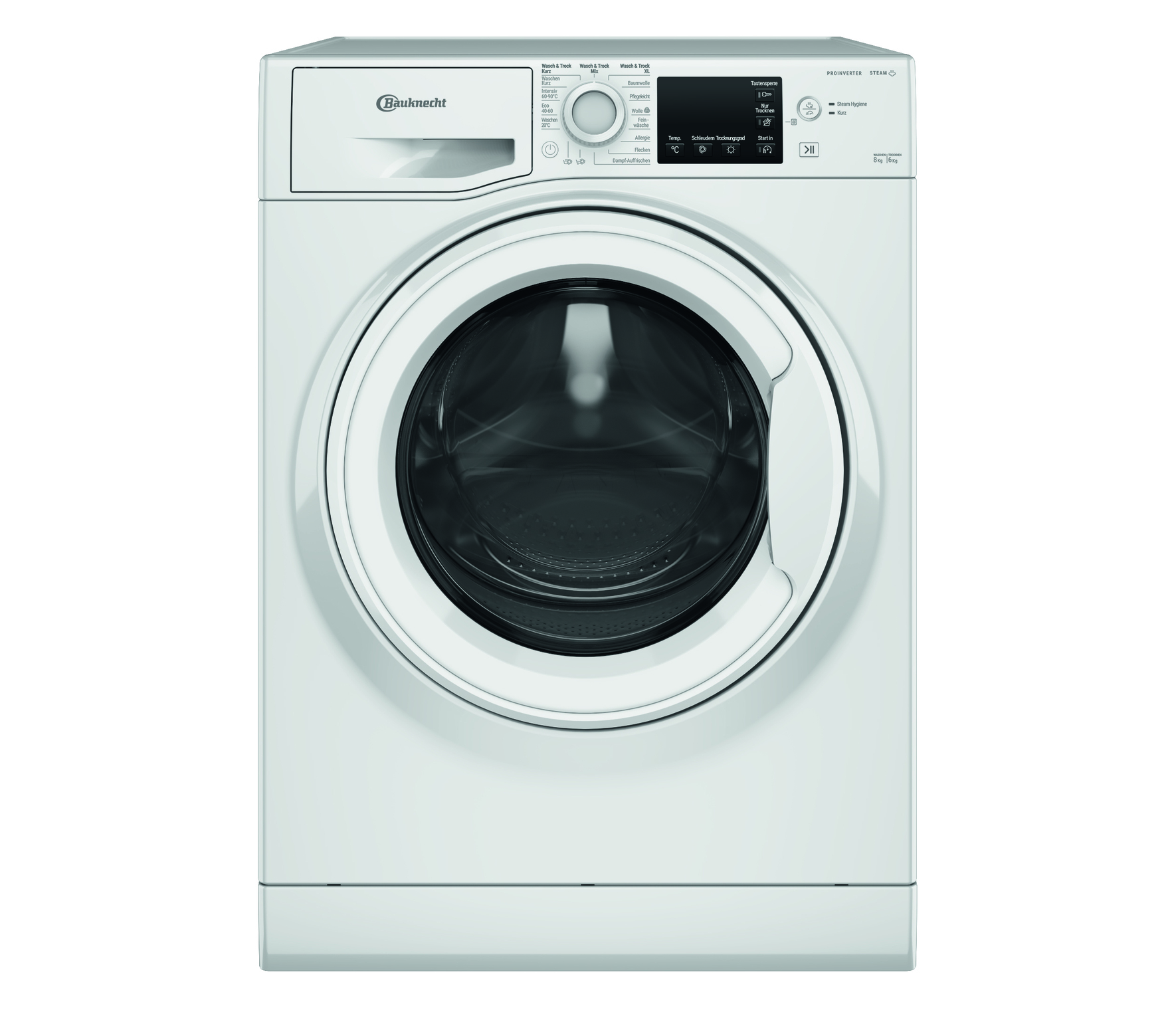
Bauknecht WD Eco Shield 8614 D
Could be suitable for cotton laundry if its range of programmes matches the care instructions for your tablecloths.
Washing capacity of 8 kg and drying capacity of 6 kg; 1400 rpm and Stains 40° programme. Check that the drying capacity is sufficient for your load.
View at Joybuy
 No image available
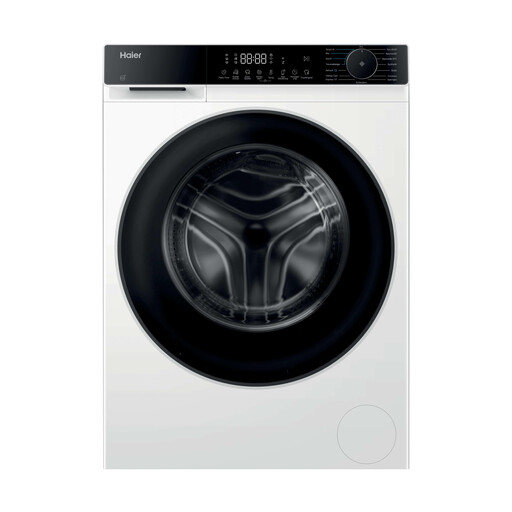
Haier X5 Series HWD120-BP14357U1, 12 kg washing / 8 kg drying
An option if you need a higher washing capacity and can plan around the lower drying capacity for your tablecloths.
Washing capacity of 12 kg and drying capacity of 8 kg; 14 programmes and AquaStop.
View at Joybuy
Frequently asked questions
Can every cotton tablecloth be dried in a washer-dryer?
No. Check the care label on each tablecloth to find out the permitted wash temperature and whether tumble drying is allowed. An appliance’s programme doesn’t override these instructions.
Can Eco 40–60 always replace a programme for heavily soiled tablecloths?
No. The European Commission describes Eco 40–60 as being for normally soiled cotton that can be washed at 40 °C or 60 °C according to its care label. For heavier soiling, choose a programme and detergent based on the fabric care instructions and how dirty the item is.
What should I check before installing an appliance in a rented flat?
Measure the space and access route, and check the connections and installation instructions. The consumer advice centre recommends discussing the installation with your landlord and considering the risk of water damage and your insurance cover. This doesn’t mean washing machines are generally prohibited in rented flats.
How should I compare consumption, and what are my rights if the appliance develops a fault?
Compare the energy and water figures for the wash cycle and complete wash-and-dry cycle separately. Your individual costs will also depend on how you use the appliance and local tariffs. In Germany, purchases from a business seller are generally covered by a statutory minimum two-year period for claims relating to defects, starting from the date you receive the goods. This is separate from any additional manufacturer’s guarantee.


