If you often wash individual cotton tablecloths and can air-dry them easily, a washing machine without a drying function is an obvious alternative. A washer-dryer mainly saves space, but its energy use may differ if you use the machine to dry clothes regularly. If you’re considering a washer-dryer, first check the care label, the load capacity for a complete wash-and-dry cycle, and the relevant energy label figures.
Who should consider this purchase?
Households that often wash small loads
If you often wash individual tablecloths, suitable small-load programmes and automatic load adjustment matter more than maximum drum capacity alone. Bosch and AEG list model-specific features for this; check the relevant programme guide.
Households with stained tablecloths
When it comes to stains, follow the care instructions for the specific tablecloth and choose a suitable wash programme. The Consumer Advice Centre recommends treating stains before they dry in, where possible. A promoted stain-removal function won’t necessarily deal with every type of mark.
Households without space to dry clothes
A washer-dryer could be a good option if you don’t have a suitable place to hang clothes or room for a second appliance. First check whether the tablecloth’s care label says it can go in the tumble dryer, and whether the smaller drying capacity is enough for your load.
What should you look for when buying?
First check whether your tablecloths can be tumble-dried. Then consider the load capacity of the relevant programme and compare the separate energy figures for washing and washing with drying.
| What matters |
What to check when buying |
Who it matters to most |
| Frequent small loads |
Check the permitted load for the small-load programme and whether it has automatic load adjustment. A short programme time alone doesn’t tell you whether it’s suitable for stained items. |
If I often wash just one tablecloth, I want to know whether there’s a suitable programme for it. For around 31% of consumers, suitability for frequent small loads is a priority. |
| Stains and fabric care |
Check the washing and drying symbols, temperature and types of stain the appliance can tackle. The Consumer Advice Centre recommends treating stains as soon as possible. |
If my tablecloths often get stained, I want to match the care label to the programme. Around 25% of consumers prioritise stain treatment and fabric care. |
| Drying when space is limited |
Check the space needed, including room for the door to open and for connections, whether the fabric can be tumble-dried, and the separate washing and drying capacities. |
If I don’t have anywhere to dry clothes, a washer-dryer is only practical if the tablecloth can go in the tumble dryer and the permitted drying load is large enough. This space-and-drying issue is particularly important to around 25% of consumers. |
| Energy use and appliance care |
Compare the energy label figures for 100 wash cycles and 100 wash-and-dry cycles separately. Also follow the cleaning instructions in the manual. |
If I use the appliance often, I want to compare the energy figures for the setting I’ll actually use. Around 19% of consumers pay particular attention to running costs and appliance care. |
Common buying misconceptions
-
Assuming the washing capacity is the same as the drying load
With a washer-dryer, the permitted load for a complete cycle may be smaller than for washing alone. For example, Bosch lists a 9 kg washing capacity and a 5 kg load for a continuous wash-and-dry cycle for the WNA14441.
Compare the capacity of the specific wash-and-dry programme with the amount of your tablecloths that can be tumble-dried.
-
Taking the washing figure as the energy use for drying
The energy label shows separate figures for washing and washing with drying. These are different test cycles.
Compare the relevant column on the label, and if you’re estimating costs yourself, take your actual usage and tariff into account.
-
Thinking a stain-removal function replaces care instructions
Whether an item can go in the tumble dryer depends on the specific fabric. Siemens says its anti-stain system is designed for four types of stain, not every possible mark on a tablecloth.
Check the care label, the types of stain the appliance can tackle and the programme conditions for the model you’re considering.
Brands to consider
Bosch
Bosch lists programmes for small wash-and-dry loads on the WNA14441 model.
- The manufacturer lists “Wash & Dry 60'” and Auto Dry as features.
- Follow the model’s load and care instructions for the specific programme and tablecloth. The 9 kg washing capacity doesn’t mean the combined cycle can take the same load.
Siemens
According to the manufacturer, the Siemens WN44A141 has a 9 kg washing capacity and a 5 kg capacity for the combined wash-and-dry cycle.
- Siemens says its anti-stain system is designed for four types of stain.
- This doesn’t mean it will treat every kind of stain on a tablecloth. The drying load is smaller than the washing load.
AEG
According to the manufacturer, the AEG LWR7F70690 is a condenser washer-dryer with a 9 kg washing capacity and a 6 kg drying capacity.
- AEG lists ProSense as an automatic load adjustment feature that adapts the time and energy use to the load.
- AEG gives figures of 49 kWh per 100 wash cycles and 307 kWh per 100 wash-and-dry cycles. These are different test cycles, not measurements for your small load.
LG
The manufacturer lists a 9 kg washing capacity and a 6 kg drying capacity for the LG W4WR7096YB.
- LG specifies that its quick wash cycle is for a half load.
- Check whether this condition suits the size of your load. The manufacturer’s fabric-protection test was carried out on other comparison models and underwear, not tablecloths.
Haier
According to the manufacturer, the Haier HWD80-BP14687TU1 has an 8 kg washing capacity and a 5 kg drying capacity.
- The stated appliance depth of 525 mm gives you a specific measurement to plan around.
- Compare the dimensions with your available space, including room for the door to open and for connections. The depth alone doesn’t confirm that the appliance will fit in your chosen spot.
Joybuy products
The Joybuy products below range from options for small loads to washer-dryers with separate washing and drying capacities. For tablecloths, pay particular attention to the actual programme load and the fabric’s care instructions.
 No product image available
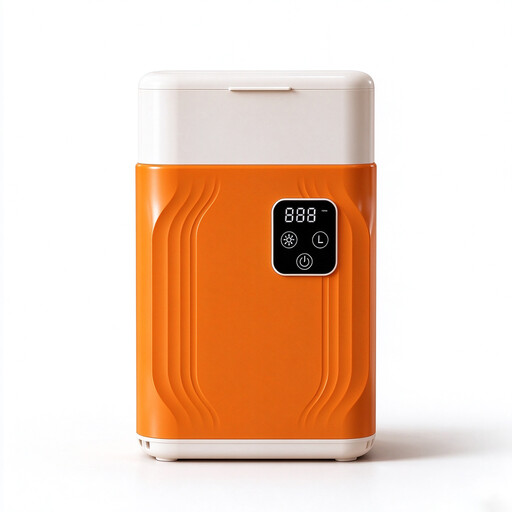
HB-222 foldable mini washing machine with 3-in-1 function
This compact appliance may be suitable for very small loads of laundry; before buying, check that your tablecloth’s size and fabric are compatible with the programmes.
The product name describes it as foldable and lists a 3-in-1 function.
View at Joybuy
 No product image available
Roborock Zeo Lite, 10 kg washing and 6 kg drying
If you want to wash and dry in one appliance, compare the drying load with the amount of your tablecloths that can be tumble-dried.
The product name lists a 10 kg washing capacity, a 6 kg drying capacity and Zeo-Cycle drying.
View at Joybuy
 No product image available
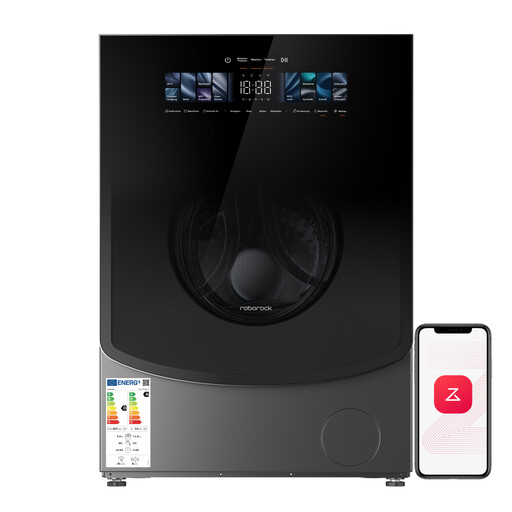
Roborock Zeo X, 11 kg washing and 6 kg drying
If you’re looking for a washer-dryer, make sure the stated drying load and the programme you choose are suitable for your tablecloth.
The product name lists an 11 kg washing capacity, a 6 kg drying capacity and 27 programmes.
View at Joybuy
 No product image available
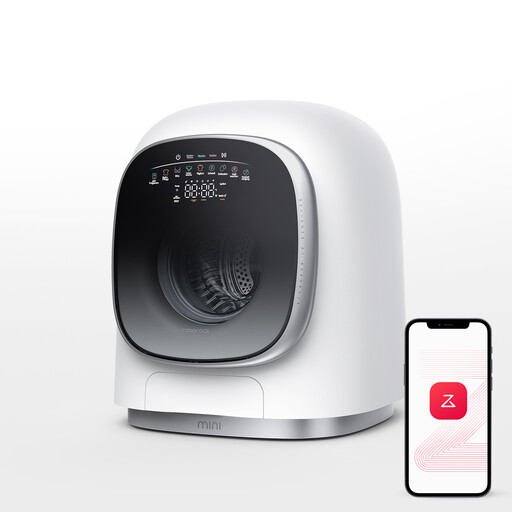
Roborock Zeo Mini, 1 kg washing and 0.5 kg drying
This mini model may be suitable for particularly small loads. Check that your tablecloth’s dimensions will fit in the drum, despite the low weight limit.
The product name lists a 1 kg washing capacity, a 0.5 kg drying capacity and low-temperature drying.
View at Joybuy
 No product image available
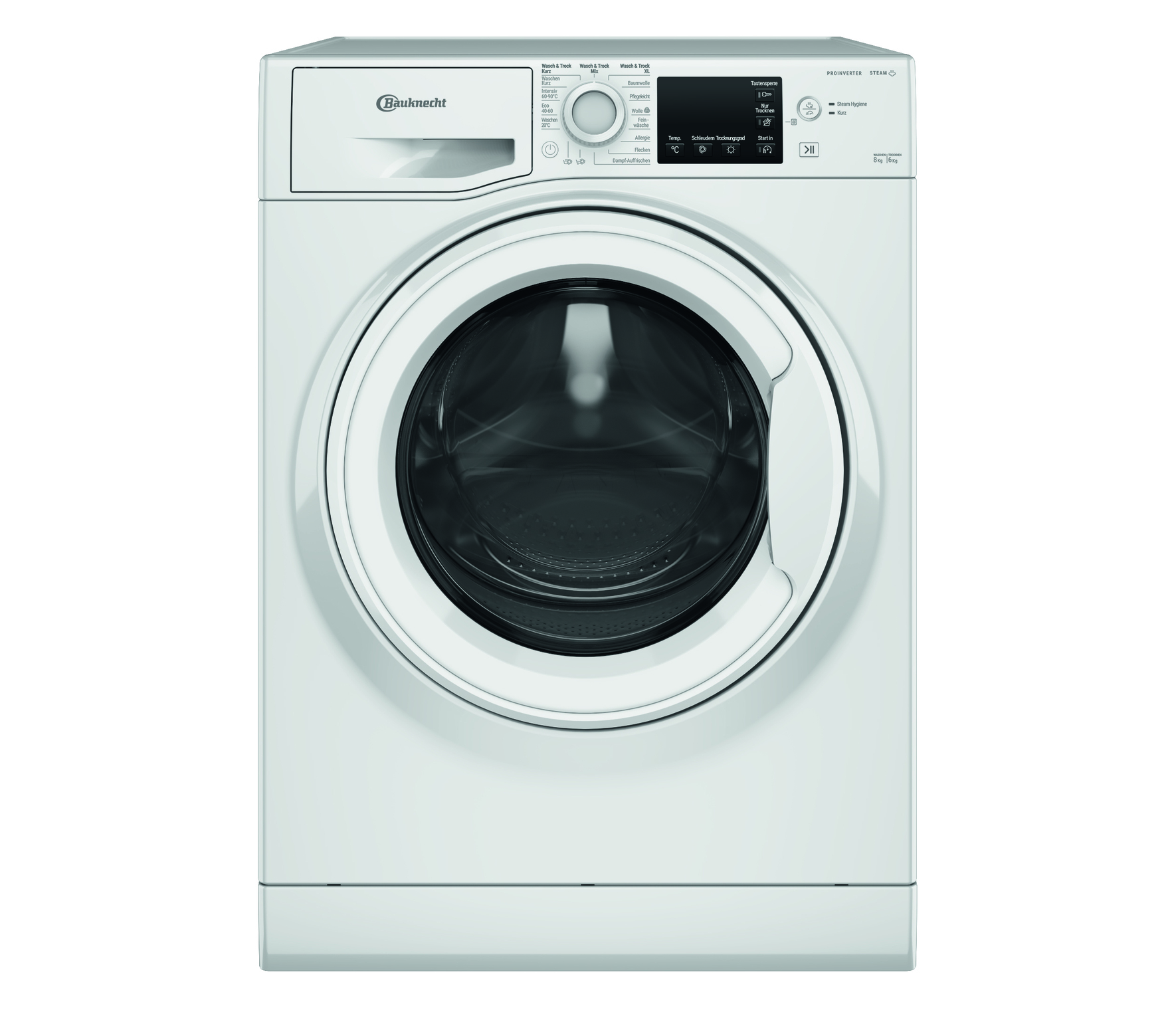
Bauknecht WD Eco Shield 8614 D, 8 kg washing and 6 kg drying
If you’re considering a stain-removal function, check whether the specific programme suits the type of stain and the care label on your tablecloth.
The product name lists an 8 kg washing capacity, a 6 kg drying capacity, 1,400 rpm and a Stains-40° programme. This programme information doesn’t guarantee results for every type of stain.
View at Joybuy
Frequently asked questions
Can every cotton tablecloth go in the tumble dryer?
No. The fibre type alone doesn’t determine this. Check the tumble-drying symbol on the tablecloth’s care label: symbols indicate, among other things, normal tumble-drying, drying at a low temperature or a ban on tumble-drying.
Is a quick programme always enough for a stained tablecloth?
Not necessarily. Treat stains before they dry in, where possible, and choose the programme and temperature based on the care label, load size and type of stain. Also check the load requirements for the specific quick programme.
What should I check before installation and when caring for the appliance?
Compare the appliance’s dimensions with the available space, including room for the door to open and for connections. For ongoing care, follow the instructions for the specific model. Whether it has a cleaning programme to remove lint after drying depends on the model.
Which energy figures should I compare when buying?
Compare the kWh figures separately for 100 wash-only cycles and 100 complete wash-and-dry cycles. The Consumer Advice Centre notes that energy use can vary between operating modes; base your assessment on how you actually plan to use the appliance.
Does a washer-dryer sold online in Germany need an energy label?
Yes. EU energy labelling covers household washer-dryers, and the label must also be provided when they’re sold online. The A-to-G label has applied to this product group since March 2021; Regulation (EU) 2019/2014 sets out the labelling requirements.


