Families with large loads of laundry
If you wash tablecloths with other household laundry, check how much of the load can then be dried without removing anything.


A washer-dryer is a good choice if you need washing and occasional tumble drying to fit into the space for one appliance, and the tablecloth’s care label permits tumble drying. Check the drying capacity of the specific model and, if you’ll be drying frequently, compare the complete wash-and-dry cycle: the Verbraucherzentrale (German consumer advice centre) points out that washer-dryers can use more electricity and water than separate appliances.
If you wash tablecloths with other household laundry, check how much of the load can then be dried without removing anything.
A washer-dryer combines washing and drying in the space occupied by one appliance. Weigh up this space-saving benefit against the drying capacity and the consumption of a complete cycle.
For food stains, suitable pre-treatment and the care instructions for the specific tablecloth are essential – including when choosing a drying programme.
A good fit if: you don’t have space for a second appliance and only tumble-dry your tablecloths occasionally.
Trade-off: For a complete wash-and-dry cycle, it’s the lower drying capacity that matters, not the washing capacity.
A good fit if: you plan to dry laundry frequently in a combined appliance and want to compare specific models by their complete cycle.
Trade-off: Heat pump technology alone doesn’t prove that overall costs will be lower, or that a particular tablecloth can be tumble-dried.
A good fit if: you have space for a separate tumble dryer or clothes airer, and regularly wash larger loads.
Trade-off: Two appliances need more space; a clothes airer also needs room and suitable ventilation.
| What matters | What to look for | Who it matters to |
|---|---|---|
| Washing and drying capacity | Check both capacity figures in kilograms for the specific model, and base the size of a complete wash-and-dry load on the drying capacity. | If I want to dry large family loads without removing anything, I’ll size the load according to the lower capacity. Around 33% of consumers are likely to prioritise this. |
| Energy and water use when drying | Compare figures for the complete wash-and-dry cycle with figures for the same cycle; the wash cycle alone won’t give you the full picture. | If you dry laundry frequently, you’ll want to understand how much electricity and water the combined cycle uses. Around 27% of consumers are likely to focus on running costs. |
| Stains and fabric care | Check the care label and stain guidance before choosing a programme; a cotton programme is no substitute for these checks. | If you need to treat food stains without going against the tablecloth’s care instructions, fabric care is key. Around 20% of consumers are likely to make this a priority. |
| Space and installation | Check the dimensions of the specific appliance, the door opening and the space needed for connections against the installation instructions. | If you need to fit washing and drying into the space for one appliance, you’ll need to consider the room available. Around 20% of consumers are likely to prioritise this. |
For the models considered, the washing capacity can be greater than the amount that can be washed and dried in one go.
Compare both capacity figures in kilograms for the exact model, and size a complete-cycle load according to the drying capacity.
Bosch gives the WNG24441 a class A rating for washing and a class E rating for the complete wash-and-dry cycle. These figures refer to different types of cycle.
For the way you plan to use the appliance, compare figures for the same cycle on the energy label and in the product data sheet.
An appliance feature doesn’t change the care instructions for a particular tablecloth; stains may also need suitable pre-treatment.
Check the label before choosing a programme and drying option, and treat stains in line with the instructions for the fabric.
The models considered here, L9WEF80690 and LWR9W81609, are 9000 Series heat pump washer-dryers, each with a drying capacity of 6 kg.
The WNG24441 washer-dryer is an example of a model with a washing capacity of 9 kg, a drying capacity of 6 kg and a cotton programme.
The HPWD096C is a washer-dryer with a washing capacity of 9 kg and a drying capacity of 6 kg.
The iQ500 WN44G243 is an example of a model with a washing capacity of 10.5 kg and a wash-and-dry capacity of 6 kg.
The BM3DT4844W1 washer-dryer is an example of a more compact model, with a washing capacity of 8 kg and a drying capacity of 5 kg.
The following washer-dryers available at Joybuy are for households looking to combine washing and occasional drying in the space for one appliance. Always check the care label before tumble-drying cotton tablecloths, and size the load according to the drying capacity.
 No image available
For households looking to combine washing and occasional drying in one appliance.
Washing capacity: 10 kg; drying capacity: 6 kg.
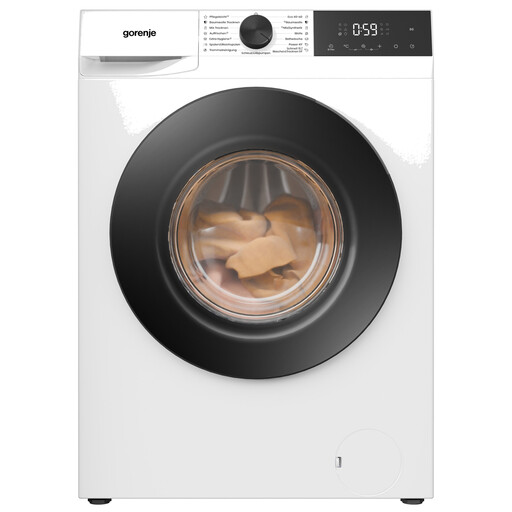 No image available
For households looking for a combined washing and drying solution with a larger washing capacity.
Washing capacity: 11 kg; drying capacity: up to 7 kg.
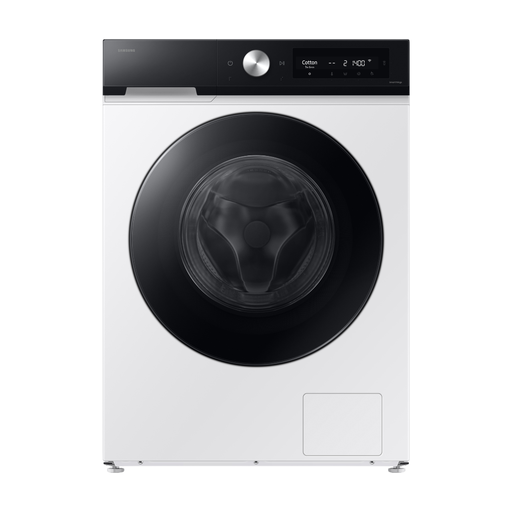 No image available
For households looking to combine washing and drying in one appliance.
Capacity shown in the product name: 11+6 kg. Check the separate washing and drying figures for the specific model.
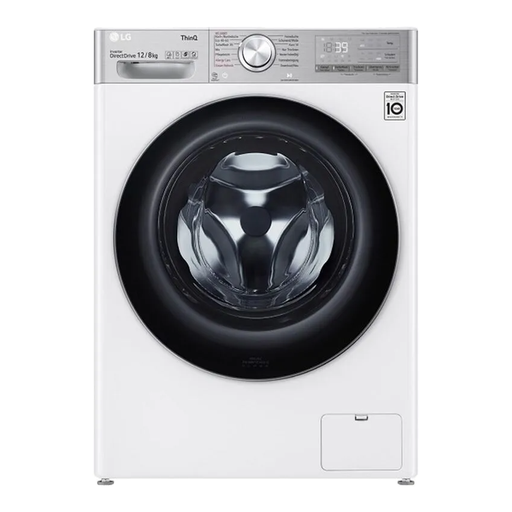 No image available
For households considering a washer-dryer with the 12 kg capacity stated in the product name.
Check the separate washing and drying capacities of the specific model before buying.
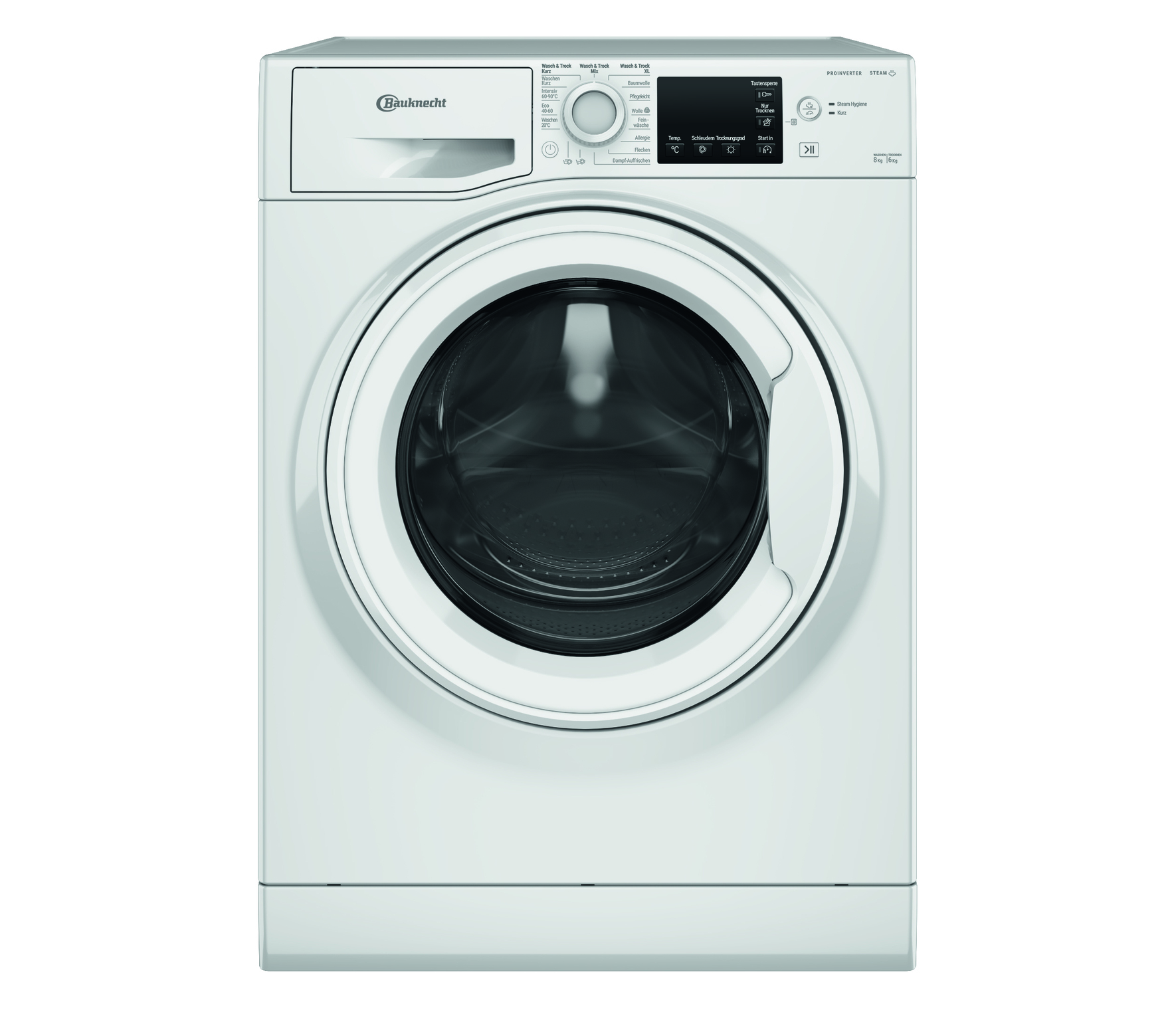 No image available
For households looking to compare a washer-dryer with the stated washing and drying capacities.
Washing capacity: 8 kg; drying capacity: 6 kg.
No. Follow the care label on the specific tablecloth. The word ‘cotton’ alone doesn’t mean that tumble drying is permitted.
Not necessarily. The European Commission describes this programme as being for normally soiled cotton labelled as suitable for washing at 40 °C or 60 °C. Consider stains and any different care instructions on the tablecloth separately.
Read the installation and operating instructions for the specific appliance, and check the space and connections. Blot fresh stains rather than rubbing them, and follow the instructions for the fabric and the stain remover you use when pre-treating.
If you plan to tumble-dry, compare the figures for the complete wash-and-dry cycle rather than just the efficiency rating for the wash cycle. To estimate costs, you’ll also need to know how often you use it and your electricity and water rates.
Household washer-dryers are covered by the EU energy label. The European Commission describes the A to G scale, which has been in use since 1 March 2021. Check the specific model for separate figures for the wash cycle and the complete wash-and-dry cycle.
According to Your Europe, consumer purchases in the EU come with at least two years of legal protection against faulty goods from the seller, starting from the date you receive the item. An additional manufacturer’s guarantee doesn’t replace these rights; check its terms separately.