People who prioritise gentle care for clothes
You base your laundry routine on the care label for each item. The Verbraucherzentrale and GINETEX Germany explain what to look for in washing temperature and tumble-drying symbols.


Start by checking the care labels, then wash summer dresses and muddy outdoor layers in separate loads, using the right settings for each. A delicate cycle doesn’t make a dress suitable for tumble drying if its label says otherwise. A washer-dryer could be a good fit if space for appliances and drying is limited. If you regularly dry larger loads, weigh up its lower drying capacity and electricity and water use against separate appliances.
You base your laundry routine on the care label for each item. The Verbraucherzentrale and GINETEX Germany explain what to look for in washing temperature and tumble-drying symbols.
You want to treat heavily soiled outer layers in a way that suits the fabric and level of dirt. The Verbraucherzentrale recommends measuring detergent according to the size of the load, how dirty it is and your water hardness.
You need to consider the space available and the lower drying capacity compared with the washing capacity. The Verbraucherzentrale points out that combination appliances save space, but use more electricity and water than separate appliances.
A good fit if: You only have room for one appliance and want to machine-dry suitable items.
The trade-off: Drying capacity may be lower than washing capacity. The Verbraucherzentrale notes that washer-dryers use more electricity and water than separate appliances.
A good fit if: You have room for two appliances and regularly need to handle larger loads that are suitable for tumble drying.
The trade-off: You’ll need space for both appliances. The care label still determines which items can go in the tumble dryer.
A good fit if: You have suitable space to hang your washing, or the care labels rule out machine drying.
The trade-off: You’ll need time and space to hang your washing, and you won’t have a continuous wash-and-dry cycle.
| Priority | What to look for | Who particularly values this? |
|---|---|---|
| Gentle care for clothes | Check for delicate programmes and whether you can wash without running a drying cycle afterwards. Match the settings to each care label. | When I wash delicate summer dresses, I want to follow each item’s care label rather than machine-dry them without checking. Around 33% of consumers put gentle care for clothes first. |
| Dealing with dirt and stains | Check the care label, suitable programmes and stain options on the specific model. Adjust the detergent dose to the size of the load, how dirty it is and your water hardness. | When I wash muddy outer layers, I want to check for a suitable programme and stain option without assuming they’ll remove every mark. Around 27% of consumers prioritise tackling dirt and stains. |
| Space and drying capacity | Measure the installation space and access route. Compare the separate capacity figures in kilograms for washing and a complete wash-and-dry cycle. | When space is limited, I need to weigh up whether the drying capacity is enough for my loads. Around 20% of consumers prioritise space and usable drying capacity. |
| Energy and water use | Compare the label figures for the operating cycle you’ll actually use, using the same basis for comparison. | If I often machine-dry my laundry, I want to compare the figures for the relevant cycle rather than looking at the washing cycle alone. Around 20% of consumers put running costs first. |
Washing and tumble-drying symbols give different care instructions. Following the care label for washing doesn’t mean an item is approved for machine drying.
Check both symbols on every item and take out anything that isn’t approved for tumble drying after the wash.
Drying an item incorrectly can damage the fabric and mean extra care is needed.
In the model examples shown, the stated drying capacity is lower than the washing capacity. So a full load for washing may not fit into a continuous wash-and-dry cycle.
Compare the separate capacity figures and plan a combined cycle around the lower drying capacity.
A larger wash load may mean extra drying cycles and the appliance being in use for longer.
Figures for washing and for a complete wash-and-dry cycle relate to different operating modes. The Verbraucherzentrale notes that combination appliances use more electricity and water than separate appliances.
Compare the label figures for the cycle you’re most likely to use, and consider separate appliances or air-drying if you have enough space.
If you tumble-dry often, electricity and water use can add up compared with separate appliances. Actual costs depend on how you use the appliance and the model.
The WNG24443 model lists separate capacities for washing and drying.
The L9WEF80690 is a washer-dryer with heat-pump drying and separate washing and drying capacities.
The V5WD95SLIM is a washer-dryer with a 9 kg washing capacity and a 5 kg drying capacity.
The WTD160 WCS is a washer-dryer with an 8 kg washing capacity and a 5 kg drying capacity.
These appliances relate to washing and drying in the household scenario described. Before choosing, check that the capacity, installation requirements and care programmes suit your fabrics and available space.
 No image available
The WashTower is an alternative to a washer-dryer if you’re looking for a washing machine and tumble dryer in one appliance unit.
The product title lists a 12 kg washing capacity and a heat-pump tumble dryer with a 10 kg capacity. The lower capacity applies to drying.
 No image available
If you’re planning to wash and dry in a washer-dryer, the separate capacity figures are key to choosing the right load size.
The product title lists 12 kg for washing and 10 kg for drying. The drying capacity determines the load size for a complete wash-and-dry cycle.
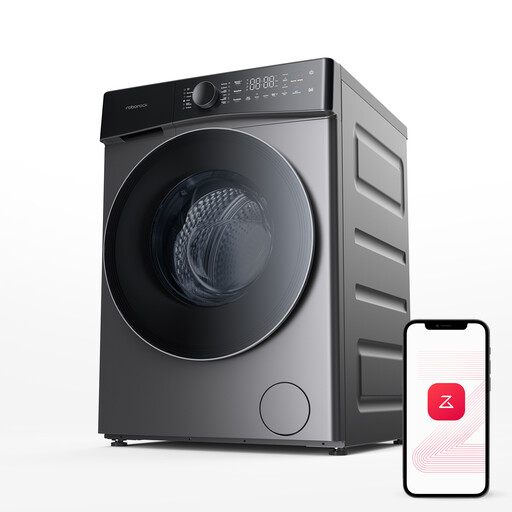 No image available
If you’re planning a complete wash-and-dry cycle, the stated drying capacity will limit the load size.
The product title lists 10 kg for washing, 6 kg for drying and energy efficiency class E.
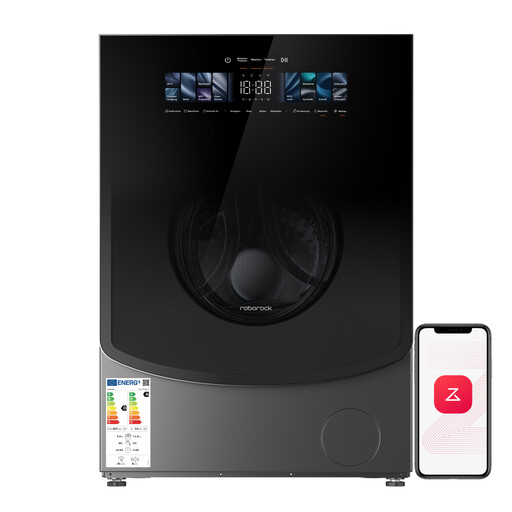 No image available
For a complete wash-and-dry cycle, size your load according to the stated drying capacity.
The product title lists 11 kg for washing, 6 kg for drying and energy efficiency class A.
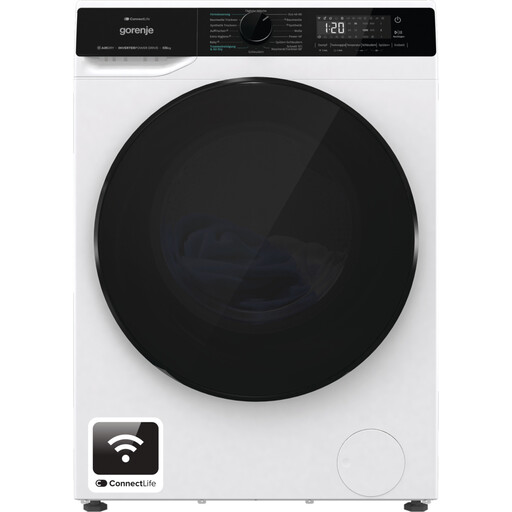 No image available
If you’re combining washing and drying, comparing the separate capacity figures can help you plan your load.
The model is listed with an 8 kg washing capacity and a 5 kg drying capacity; the product title also gives a spin speed of 1400 rpm.
Only if the care label for that particular item allows machine drying under the selected conditions. The wash tub and tumble-drying symbols give different care instructions; a delicate wash cycle doesn’t replace approval for tumble drying.
Follow the care instructions and take account of how dirty the items are, rather than washing dresses and heavily soiled outer layers together without checking. The Verbraucherzentrale recommends not letting stains dry in if possible, and measuring detergent according to the size of the load, how dirty it is and your water hardness.
Plan the cycle around the stated drying capacity, which is lower than the washing capacity in the model examples featured here. So compare the separate capacity figures in kilograms for the specific appliance.
Compare the label figures for the same use case: either washing alone or a complete wash-and-dry cycle, in each case per 100 cycles. The Verbraucherzentrale notes that combination appliances can use more electricity and water than separate appliances. Your annual costs will depend on how you use the appliance, your electricity tariff and the price of water.
Measure the space and access route, and check the connections against the instructions for the specific appliance. Samsung says its washer-dryers usually need a water inlet and a drain; the installation requirements for the model you choose are the ones that matter.