Who might benefit from having their own washer-dryer?

If you’re tied to set laundry times

If you can’t wash your face cloths whenever you need to, having your own appliance could give you more flexibility. The key question is whether a complete wash-and-dry cycle fits into your routine too. The European Commission’s energy label includes information such as cycle duration.

Households with limited drying space

If you need to wash and dry clothes in a limited space, compare the washer-dryer’s drying capacity with the size of your actual load. The Verbraucherzentrale points out that washer-dryers can only dry part of a wash load straight away.

If you want to balance fabric care and hygiene

To wash your face cloths in line with their care labels, choose the temperature and programme to suit the fabric and how soiled it is. For hygiene reasons, the Umweltbundesamt recommends washing towels at 40 or 60 °C. It does not consider extra laundry disinfection necessary for normally soiled washing in healthy households.

What should you look for when buying?

Keep using the shared appliance

A good fit if: The available laundry times work for you and you can dry your face cloths appropriately afterwards.

The trade-off: You’ll still need to fit around available slots, but you won’t need another large appliance. The Umweltbundesamt also lists shared tumble dryers as an option.

Washer-dryer

A good fit if: The shared laundry schedule regularly falls short, you only have space for one appliance and you want to machine-dry your washing too.

The trade-off: For a cycle with no need to transfer the load, you’re limited by the lower wash-and-dry capacity. A complete cycle may also take longer.

Separate washing machine and tumble dryer

A good fit if: You want to do your own washing and machine-drying on an ongoing basis, and have room for both appliances.

The trade-off: Two appliances take up more space. According to the Verbraucherzentrale, washer-dryers use more electricity and water than separate washing machines and tumble dryers.

Consideration What to check before buying Who it matters to
Cycle duration Compare the duration of a wash cycle with that of a wash-and-dry cycle; check the permitted load size for short programmes. If the shared laundry schedule means I can’t wash when I want to, the length of a complete cycle matters to me. Around 33% of consumers say having a particular time window is their top concern.
Hygiene and fabric care Match the care label, wash programme and temperature. As a guide, the Umweltbundesamt recommends washing towels at 40 or 60 °C. If I care about looking after my face cloths, I want to choose the temperature and programme to suit the fabric rather than assume an advertised feature means disinfection is necessary. Around 27% of consumers put hygiene and fabric care first.
Space and drying capacity Check the dimensions and connections at the installation site; compare washing capacity and wash-and-dry capacity separately. If I need to fit washing and drying into a small space, the amount I can dry without transferring the load matters to me. Around 20% of consumers say space is their top concern.
Electricity and water consumption Compare the EU label figures for washing and for a complete wash-and-dry cycle separately, including kWh per 100 cycles and water consumption. If I regularly machine-dry my washing, I want to compare consumption figures based on how I’ll actually use the appliance. Around 20% of consumers say running costs are their main concern.

Common buying mistakes

  • Comparing washing capacity alone

    The amount an appliance can wash isn’t necessarily the amount it can dry in the same cycle.

    If you want to run a cycle without transferring the load, check the stated capacity for washing and drying. A larger wash load may need to be split into a separate drying load or dried somewhere suitable.

  • Using the washing efficiency rating for the whole combined cycle

    The EU label lists information for washing and for a complete wash-and-dry cycle separately. A washing-only efficiency figure therefore doesn’t tell you how efficient the combined cycle is.

    If you regularly machine-dry your washing, compare the figures for the complete cycle. The Verbraucherzentrale notes that washer-dryers use more electricity and water than separate appliances.

  • Assuming a steam programme is essential for disinfection

    Claims about a programme’s performance apply to the specific model and the conditions stated by the manufacturer. The Umweltbundesamt does not consider extra laundry disinfection necessary for normally soiled washing in healthy households.

    Choose the programme and temperature to suit the care label, fabric and actual hygiene requirements.

Brands and models to consider

LG

The W4WR7096YB is an option for buyers comparing washing and drying capacities and a short wash programme.

  • LG advertises a 39-minute wash for this model at half load.
  • This time doesn’t automatically apply to a complete wash-and-dry cycle or a full load.

Bosch

You can compare the Bosch Series 8 WNC244070 washer-dryer’s stated capacities and dimensions with the space available.

  • Bosch lists a 9 kg washing capacity and a 6 kg wash-and-dry capacity for this model, with dimensions of 848 × 598 × 622 mm.
  • You’ll need to check on site that the appliance and connections are suitable for the intended location. These figures apply to this model, not every appliance from the brand.

AEG

The AEG 9000 Series L9WEF80690 washer-dryer is worth considering when comparing its stated heat pump technology and energy label figures.

  • AEG lists heat pump drying, a 9 kg washing capacity and a 6 kg drying capacity for this model.
  • Drying technology alone doesn’t tell you whether you’ll save money. You’ll need to compare models and consider how you’ll use the appliance.

Samsung

The WD81TA049BE/EG is an 8/5 kg option with a stated Hygiene Steam programme.

  • Samsung lists a Hygiene Steam programme for this model.
  • The performance claims come from the manufacturer and relate to its stated tests and conditions. A steam programme doesn’t mean extra disinfection is always necessary.

Related products at Joybuy

The following Joybuy products include washer-dryers and smaller washing solutions. Check in particular whether the specific model can wash and dry in one cycle, and whether its capacities suit the size of your actual load.

LG WT1210EGF WashTower with a 12 kg washing capacity and 10 kg drying capacity

LG WT1210EGF WashTower, 12 kg washing capacity and 10 kg heat pump dryer

The separate capacities help you check whether your laundry will fit into a combined cycle.

Washing: 12 kg. Drying: 10 kg. Heat pump dryer.

View at Joybuy
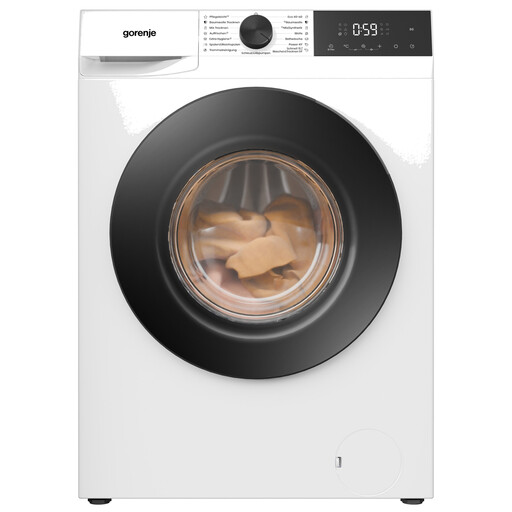
GORENJE WD5G2P1174A2DP2 washer-dryer with an 11 kg washing capacity and 7 kg drying capacity

GORENJE WD5G2P1174A2DP2 washer-dryer, 11 kg/7 kg

The separate capacities matter if you want to wash and dry your laundry without transferring the load.

Washing: 11 kg. Drying: up to 7 kg.

View at Joybuy

LG WT1210WWF front-loading washer-dryer with a 12 kg washing capacity and 10 kg drying capacity

LG WT1210WWF front-loading washer-dryer, 12 kg/10 kg, Dual Inverter heat pump

The capacity figures help you work out whether your planned load will fit into a complete wash-and-dry cycle.

Washing: 12 kg. Drying: 10 kg. The product name also mentions a steam function.

View at Joybuy
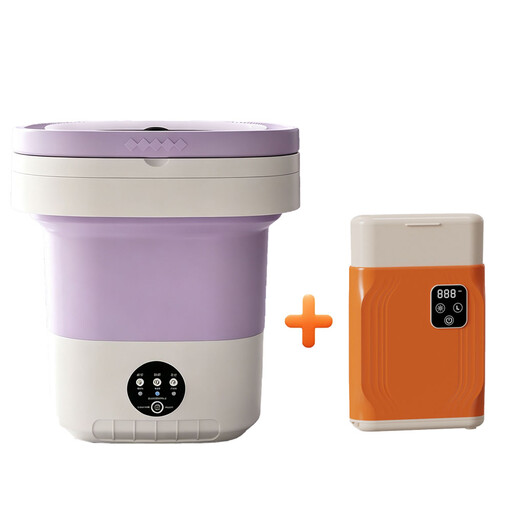
12-litre mini washing machine with spin dryer and three wash modes

12-litre mini washing machine with spin dryer

This compact washing solution is described as suitable for small items. Check whether it will actually meet your need for a washer-dryer.

Capacity: 12 litres. Three wash modes.

View at Joybuy
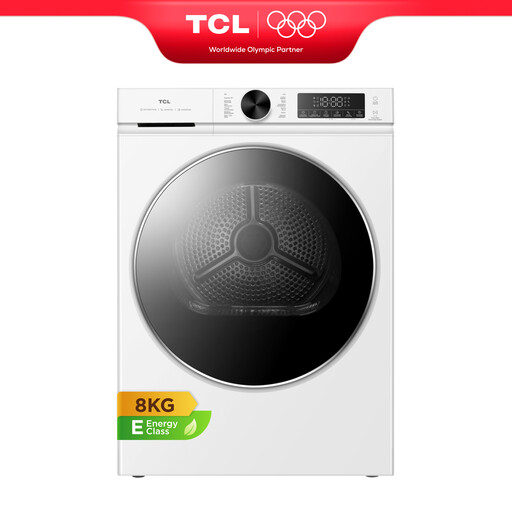
TCL DP4408WE1DE Tumble Dryer, 8kg

TCL DP4408WE1DE Tumble Dryer, 8kg

The product name identifies this as a tumble dryer, so check whether you’re looking for a separate dryer rather than a washer-dryer.

The capacity stated in the product name is 8 kg.

View at Joybuy

Frequently asked questions

Do face cloths always need to be washed at 60 °C?

No, there’s no blanket requirement to wash them at 60 °C. For hygiene reasons, the Umweltbundesamt recommends washing towels at 40 or 60 °C. It does not consider extra laundry disinfection necessary for normally soiled washing in healthy households. Follow the care label on each face cloth.

Can I leave the whole wash load in the washer-dryer?

Only if the load doesn’t exceed the specific model’s stated capacity for washing and drying. Bosch lists a 9 kg washing capacity and a 6 kg wash-and-dry capacity for the WNC244070 washer-dryer.

What should I check before installing the appliance?

Compare the dimensions of your chosen model with the space available, and check the water, waste water and electrical connections against the installation instructions. The dimensions alone don’t confirm that the location is suitable.

Which figures are useful when comparing consumption?

The EU label lists consumption and timing figures separately for washing and for a complete wash-and-dry cycle. In particular, compare kWh per 100 cycles and water consumption for the mode you plan to use. Your usage and tariff will also affect your personal costs.

What should I do with an old electrical appliance in Germany?

According to the Federal Ministry for the Environment, old electrical appliances must be taken to an authorised collection point, such as a local council collection centre or a retailer required to accept them. When placing your order, check which take-back options apply to your specific old appliance.