
Lieferung heute & morgen

Qualitätsgarantie

Willkommens-Angebote freischalten: KOSTENLOSE Lieferung | Bis zu 80 % RABATT | Kostenlose 30-Tage-JoyPlus-Testphase
App herunterladen
A washer-dryer is the ideal solution for households that lack the space for two separate appliances. Combining a washing machine and a dryer in a single unit promises convenience and efficiency. However, the market is flooded with models making tempting marketing claims that often don't hold up in practice. Before you make a decision, it's crucial to understand the common pitfalls that can lead to disappointment and unexpected costs.
As your Joybuy Product Recommendation Officer, I'm here to help you separate fact from fiction. In this guide, we'll shed light on the critical points you should consider to find an appliance that truly fits your needs.
Many purchasing decisions are based on marketing highlights that obscure significant drawbacks. Pay close attention to these two points:
To avoid a bad purchase, you should base your decision on objective technical parameters. Here are the three most important features you need to check.
As mentioned, the capacity specification is twofold. Always check both values.
The type of drying technology has a major impact on energy consumption and how gently your clothes are treated.
Modern appliances offer much more than just standard programmes. Consider which features are relevant to your daily life.
Instead of making a one-size-fits-all recommendation, we've selected models tailored to specific user profiles.
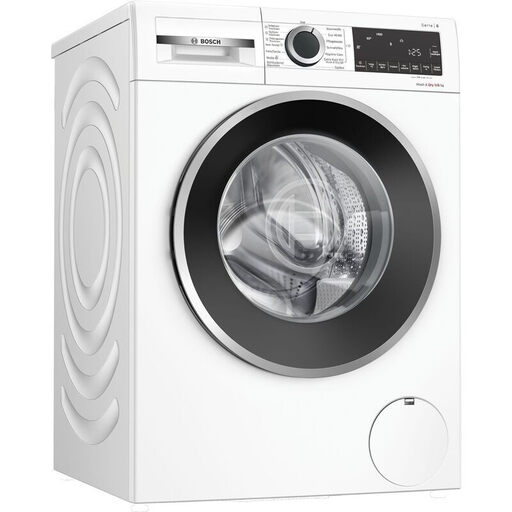
Why This Fits Their Persona: This model offers a balanced capacity of 9 kg for washing and 6 kg for drying, making it ideal for the daily needs of couples or small families. It's a reliable, space-saving appliance without unnecessary complexity.
The wash-to-dry capacity ratio (9/6 kg) is practical for real-world use, sidestepping the trap of having to split loads. The AutoDry function also prevents over-drying and protects your laundry.
The Iron Assist steam function for wrinkle reduction and the quiet EcoSilence Drive motor (70 dB) make it a comfortable choice for living areas.
![Samsung WD1BDB7B85GEU2 Custom AI Washing & Drying Combo, 11+6kg, Super Energy Efficient, White [Energy Grade D]](https://images4.joy-sourcing.com/product/s512x512_jfsintlpro-000-product/t1/4294967296/6815744/6109817144107/751359/6a1ed12eE37c5c968/42b10752b5083d5e.png)
Why This Fits Their Persona: With an 11 kg washing capacity, AI-powered programmes, and Wi-Fi control, this model is perfect for large, tech-enthusiast households that value convenience and smart automation.
The AI Wash function automatically selects the optimal settings, preventing inefficient cycles. The SuperSpeed programme (11 kg in 39 min) delivers on the promise of a true quick cycle.
Large capacity of 11 kg washing, control via Smart Washer-Dryer with Wi-Fi, and special programmes like Hygiene Steam and a Microplastic cycle.
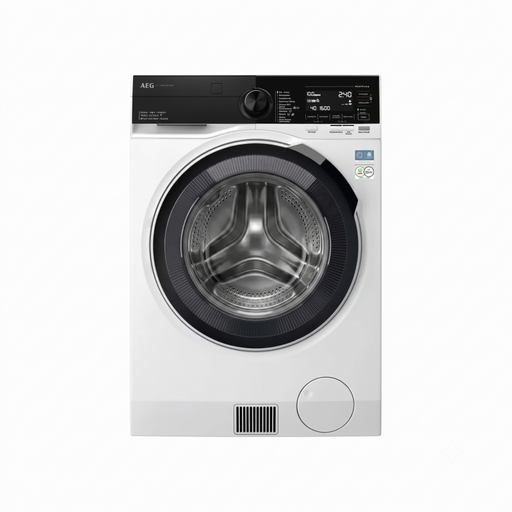
Why This Fits Their Persona: For users who prioritise energy consumption, this model with heat pump technology is the right choice. It combines a large capacity with exemplary efficiency.
This appliance escapes the energy trap thanks to its heat pump technology. It achieves an energy efficiency class of B for the combined cycle—an outstanding rating for a washer-dryer.
The main advantage is the washer-dryer with a heat pump, which significantly reduces energy consumption. The AbsoluteCare technology adapts the drum movement to the fabric type, protecting your clothes.
We have compiled a complete, real-time list of products that fully satisfy these strict selection criteria and UK safety regulations.
1. How long does a washer-dryer last compared to separate appliances? The lifespan of a washer-dryer tends to be slightly shorter than that of two individual units, as the components are more complex and under greater strain. However, with regular maintenance (cleaning the lint filter and seals) and proper use, a high-quality washer-dryer can easily last 8 to 10 years or more.
2. Is a washer-dryer with a heat pump always the better choice? Not necessarily. A washer-dryer with a heat pump is significantly more energy-efficient and gentler on laundry, making it more cost-effective in the long run. However, the initial purchase price is higher, and the drying cycles can take longer. It's an excellent investment for households that dry laundry frequently. For those who only use the dryer occasionally, a more affordable condenser model may be sufficient.
3. How much laundry can I really wash and dry in one go? That depends on the stated drying capacity. For an appliance rated '9 kg wash / 6 kg dry,' you can wash and dry a load of up to 6 kg without interruption. If you use the full 9 kg washing capacity, you will need to remove about a third of the wet laundry after the wash cycle before starting the drying cycle.