Households with muddy outdoor clothing
If you wash heavily soiled clothes as well as underwear, sort them by how dirty they are, colour and care instructions. GINETEX Germany recommends sorting laundry before washing.


Sort cotton underwear and muddy outdoor layers according to how dirty they are and their care labels, rather than automatically washing them together. An outdoor programme is no substitute for the right treatment for underwear. A washer-dryer is most useful when you don’t have space for a clothes airer or two separate appliances. Compare the capacity and energy and water use of the full wash-and-dry cycle with what you actually need.
If you wash heavily soiled clothes as well as underwear, sort them by how dirty they are, colour and care instructions. GINETEX Germany recommends sorting laundry before washing.
If you don’t have room for a clothes airer or a second appliance, a combined wash-and-dry function can be useful. The key question is how much laundry can be dried in a full cycle.
For technical or coated clothing, choose the programme and drying method according to the care label on each item. GINETEX Germany explains that the temperature shown in the washing symbol is the maximum permitted washing temperature.
A good fit if: You’re short on space and the laundry you regularly need to dry is suitable for tumble drying according to its care labels.
The trade-off: The drying load is often smaller than the washing load. Check the energy and water use, and the duration, of the full cycle separately.
A good fit if: You have space to hang your washing and don’t regularly need to tumble-dry it.
The trade-off: Hanging washing out takes space and time, and you’ll still need to sort it by how dirty it is and its care labels.
A good fit if: You have enough floor space and often need to dry larger loads of tumble-dryer-safe laundry.
The trade-off: Two appliances take up more space. For the separate appliances it assessed, the Verbraucherzentrale found lower electricity and water consumption than for washer-dryers.
| Buying priority | What to check | Who is this important to? |
|---|---|---|
| Keep mud and underwear separate | Check care labels, how dirty the items are and which programmes are suitable; pre-treat heavily soiled items if needed. | When I wash underwear and muddy clothes, I want to be able to treat each according to its care requirements. Around 36% of consumers prioritise having suitable wash treatments. |
| Drying when space is limited | Compare the washing and wash-and-dry capacities, as well as the duration of the full cycle. Measure the space, connections and delivery route. | If I don’t have space to dry clothes or room for a second appliance, I want to know how much suitable laundry the full cycle can handle. Around 29% of consumers prioritise space and drying. |
| Care for outdoor fabrics properly | Check the washing and drying symbols on each item and compare the permitted treatment with the appliance’s instructions. | For technical or outdoor layers, I want to make sure a programme name doesn’t override the garment’s care instructions. Around 21% of consumers focus mainly on protecting their outdoor textiles. |
| Everyday energy and water use | Compare the figures for washing and the full wash-and-dry cycle separately, including water consumption. | If I tumble-dry frequently, I want to be able to estimate the consumption of the setting I actually use. Around 14% of consumers prioritise running costs. |
The percentages refer to the respective top priorities for this combination of laundry. The EU energy label lists wash and wash-and-dry cycles separately, making it easier to compare consumption figures.
Washing capacity and wash-and-dry capacity are not the same. For example, Bosch lists a 9 kg washing capacity for the WNA13441, but 5 kg for washing and drying.
Check the load limit for the programme you actually plan to use, and allow for separate loads of different fabrics.
An oversized wash load may mean running extra drying cycles or taking some of the washing out before drying.
A programme name is no substitute for sorting by how dirty clothes are or following their washing and drying instructions.
Check the labels on every item, then choose a programme that matches their requirements.
Washing consumption alone doesn’t show how much energy and water are used when you tumble-dry afterwards.
Compare the label figures on the same cycle basis, and weigh them against how often you actually use the dryer.
The L9WEF80690 is aimed at shoppers comparing outdoor fabric care with heat-pump drying.
The WNA13441 may appeal to shoppers comparing cotton and sportswear programmes, as well as a pre-wash option.
The W4WR7096YB is a model tested by F.A.Z. Kaufkompass. The test did not specifically cover muddy outdoor layers washed with cotton underwear.
The WN54C2070 is an option if you want to consider the controls, capacity and installation dimensions together.
The WD90DG6G94BBU2 is an alternative for households looking for a shallower appliance.
The Joybuy products below are washer-dryers for households that want to wash and dry suitable laundry in one appliance. Compare the stated washing and drying capacities with your loads, and always check the care label on outdoor garments.
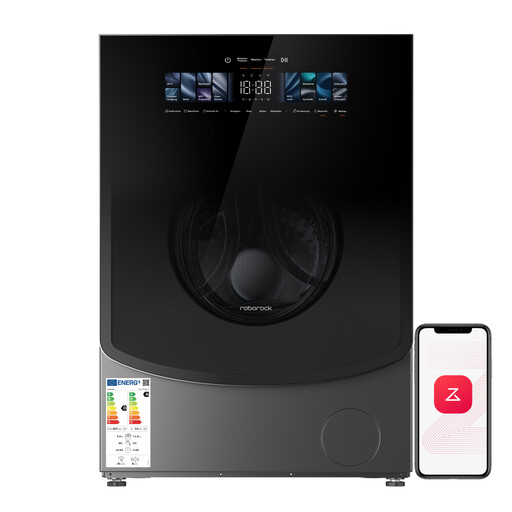 No image available
The separate capacity figures help you plan your washing and drying loads individually.
11 kg washing capacity and 6 kg drying capacity.
27 programmes and LintClear self-cleaning, according to the product description.
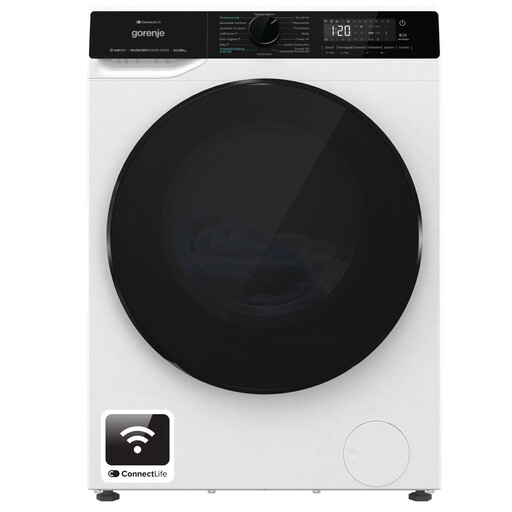 No image available
The stated capacity and programme selection give you useful points of comparison when planning loads.
10.5 kg; 54 litres; 1,400 rpm.
16 programmes and Wash & Dry 60', according to the product name.
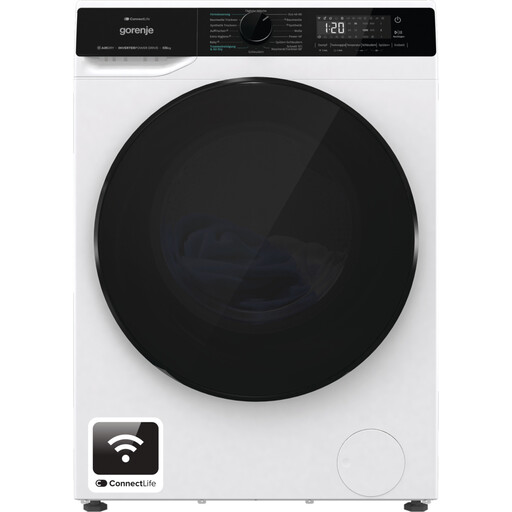 No image available
The separate capacity figures show the load specified for a full wash-and-dry cycle.
8 kg washing capacity and 5 kg wash-and-dry capacity.
16 programmes, according to the product specifications.
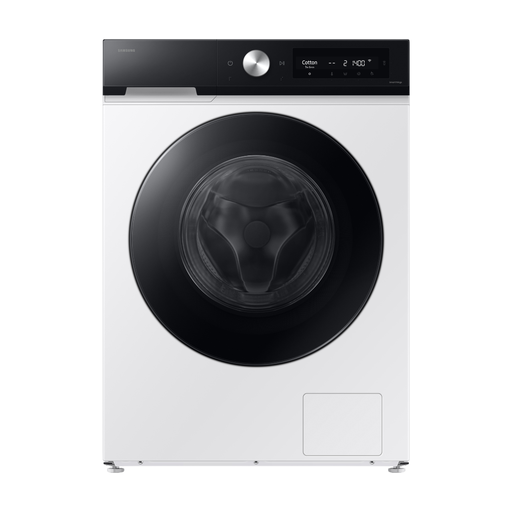 No image available
Compare the stated drying capacity with the amount you want to dry in each full cycle.
11 kg washing capacity and 6 kg drying capacity.
Hygiene Steam and a Microplastics programme, according to the product description.
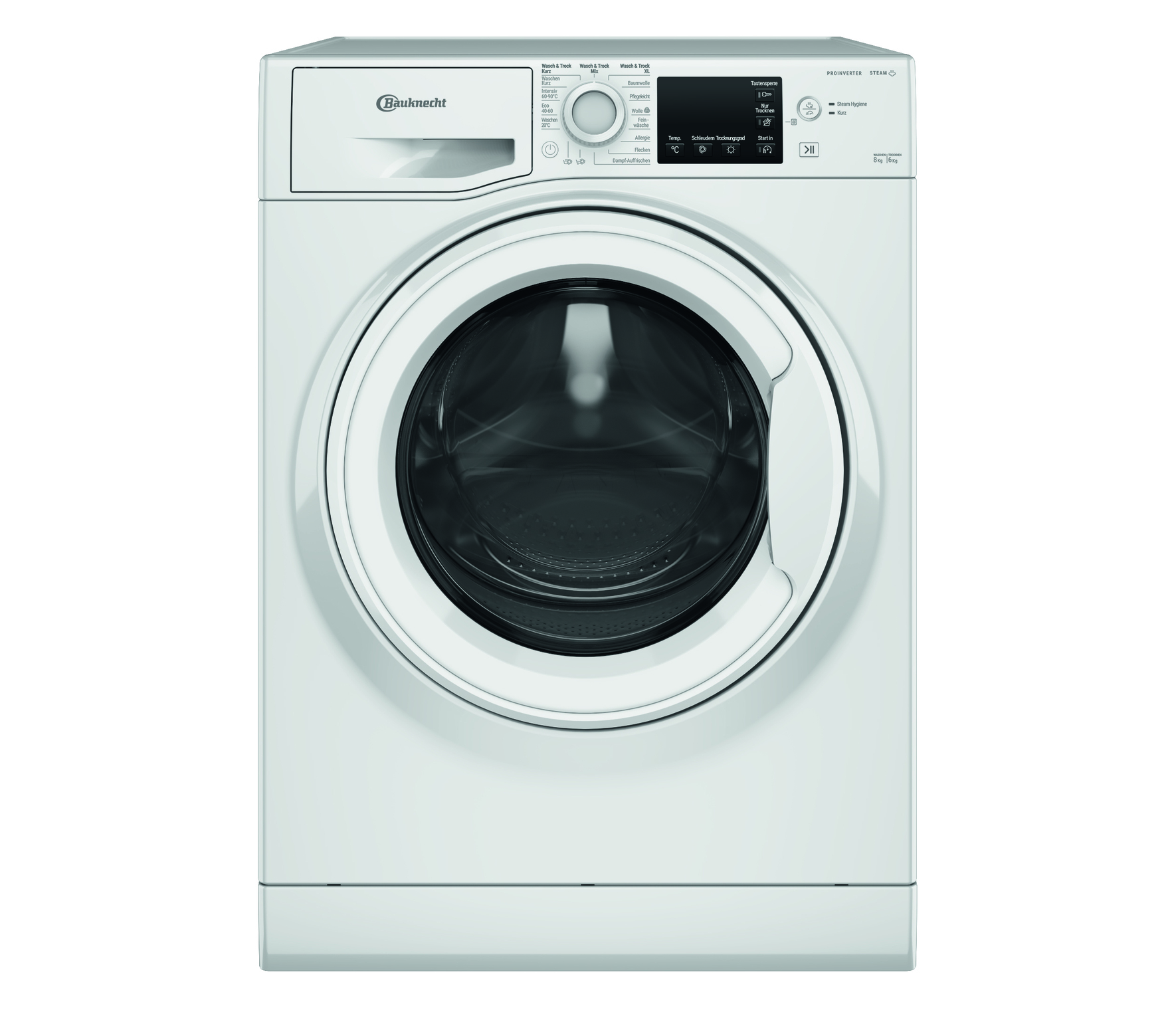 No image available
The capacity figures help you decide whether the appliance is the right size for your washing and drying loads.
8 kg washing capacity and 6 kg drying capacity.
Stains 40°, according to the product name.
Not necessarily. GINETEX Germany recommends sorting laundry before washing according to factors such as how dirty it is, the temperature, colour and the level of care required. Check both care labels; only wash the items together if their instructions are compatible.
The German Environment Agency recommends washing underwear at 40 or 60 °C for hygiene reasons. The maximum permitted temperature on the care label for each item still applies.
Only if the drying symbol allows tumble-drying and the selected programme follows the care instructions. Check the label on each garment, even if the appliance has an outdoor or delicate-care programme.
Compare the wash and full wash-and-dry cycle figures separately on the EU energy label. Also consider how often you actually tumble-dry and the size of the loads you dry.
For ordinary defects in purchased goods, § 438 BGB generally sets a two-year limitation period from delivery; this is separate from any voluntary manufacturer’s warranty. The German Environment Agency explains that when you buy a new appliance, you can return a corresponding large appliance free of charge, including when the new one is delivered online. Old electrical appliances must not be put in household waste.