A washer-dryer can be a good choice if you don’t have suitable space to dry clothes or room for two appliances, and the care labels say your T-shirts are suitable for tumble drying. Compare the drying capacity with the size of your usual load, and check the energy and water consumption for a complete wash-and-dry cycle, the appliance dimensions and possible alternatives such as air-drying or a separate tumble dryer. The Verbraucherzentrale (German consumer advice centre) points out that washer-dryers can use more electricity and water than separate appliances.
Who is a washer-dryer suitable for?
Households without space to dry clothes
If you don’t have a suitable place to hang clothes, a washer-dryer can let you wash and dry on the footprint of a single appliance. Even so, check before buying that the appliance, door opening and delivery route will fit in your home.
Households with regular T-shirt loads
For regular loads, the actual washing and drying capacities and the duration of a complete cycle matter. The washing capacity alone doesn’t tell you how much laundry can be dried straight afterwards.
Buyers who want to care for their T-shirts gently
The care label on each individual shirt is what matters. ‘Cotton’ doesn’t automatically mean that a garment can be tumble-dried.
What should you consider when buying?
Washer-dryer
A good fit if: you don’t have enough space to dry clothes or room for two appliances, and your T-shirts can be tumble-dried.
Things to weigh up: Drying capacity may be lower than washing capacity. Also compare consumption for a complete cycle.
Washing machine and air-drying
A good fit if: you have a suitable place to dry clothes and don’t mind the extra step.
Things to weigh up: The German Environment Agency recommends avoiding drying laundry indoors where possible. If you do need to dry it indoors, ventilate more to deal with the extra moisture.
Washing machine and separate tumble dryer
A good fit if: you have room for two appliances, or can safely stack them using a stacking kit explicitly listed as compatible.
Things to weigh up: Two appliances need enough floor space. Check their dimensions and that both are suitable for stacking.
| Buying consideration |
What to look for |
Who is it important to? |
| Drying and installation space |
Measure the appliance, the space needed to open the door and the delivery route. Also check whether you have a suitable place to dry clothes or could use a compatible stacking solution. |
If I have very little space to hang clothes, the appliance needs to fit in the available space. Around 33% of consumers prioritise a lack of drying and installation space. |
| Actual drying capacity |
Compare the stated capacities in kilograms for washing and for washing and drying separately with the size of your usual load. |
For regular T-shirt loads, I want to know as accurately as possible whether the laundry can go through in one continuous cycle. Around 27% of consumers focus mainly on load size and cycle duration. |
| T-shirt care |
Check the care labels on the shirts you want to tumble-dry before comparing programmes. |
If my shirts have different care instructions, I don’t want to decide based on the fabric name alone. Around 20% of consumers focus on the care permitted for their textiles. |
| Electricity and water consumption |
Compare figures on the EU label for the same operating mode: full wash-and-dry cycles separately from washing only. |
If running costs matter to me, I want to take the consumption for the entire drying stage into account. Around 20% of consumers focus primarily on running consumption. |
Common buying mistakes
-
Confusing washing capacity with drying capacity
The amount you can wash may be greater than the amount you can put through a complete wash-and-dry cycle. For example, Bosch lists a washing capacity of 9 kg and a wash-and-dry capacity of 6 kg for the Bosch WNG24442.
Compare both figures with the size of your usual T-shirt load before relying on a continuous cycle.
If your load is larger than the drying capacity, you may need an extra cycle or to hang some of the laundry out to dry.
-
Assuming the washing efficiency rating applies to the whole cycle
The EU label shows separate ratings for washing and washing with drying. For example, Bosch lists class A for washing and D for washing and drying for the Bosch WNG24442.
If you regularly tumble-dry, compare consumption figures for the complete cycle. The Verbraucherzentrale (German consumer advice centre) points out that washer-dryers can use more electricity and water than separate appliances.
A lower consumption figure for washing alone doesn’t include the extra energy and water needed for drying.
-
Assuming ‘cotton’ means an item is suitable for tumble drying
The care label applies to the specific garment. The fact that it’s made of cotton doesn’t tell you whether a shirt can be tumble-dried.
Check the symbols on every shirt before drying it. A crossed-out tumble-dryer symbol means it shouldn’t be tumble-dried.
Brands and models at a glance
LG
The LG W4WR7096YB is a washer-dryer with a cotton programme.
- LG lists washing and wash-and-dry capacities of 9 kg and 6 kg respectively for this model.
- The washing capacity isn’t the same as the amount that can go through a complete wash-and-dry cycle.
Bosch
The Bosch WNG24442 combines washing and drying, with cotton as a standard programme.
- Bosch lists a washing capacity of 9 kg, a wash-and-dry capacity of 6 kg, plus Auto Dry and AquaStop.
- Bosch gives the model an efficiency class of A for washing and D for washing and drying.
AEG
The AEG LWR9W81609 is a heat pump washer-dryer with a washing capacity of 10 kg and a wash-and-dry capacity of 6 kg.
- AEG lists consumption of 206 kWh per 100 complete Eco cycles and a programme duration of 8 hours 50 minutes at rated capacity for this model.
- These consumption and time figures apply to the model and cycle specified. Before buying, compare the conditions and programmes of the appliances you’re considering.
Samsung
The Samsung WD90DG5B15BBEG combines washing and drying and offers app features.
- Samsung lists washing and wash-and-dry capacities of 9 kg and 6 kg respectively, with efficiency class A for washing and D for washing and drying.
- If you regularly tumble-dry, compare figures for the complete wash-and-dry cycle. Washing figures alone don’t reflect this mode of operation.
Bauknecht
The Bauknecht WATK Sense 9614 C is a freestanding washer-dryer with a cotton programme.
- Bauknecht lists a width of 59.5 cm, a depth of 54.0 cm and efficiency class C for washing and drying.
- The stated washing capacity alone doesn’t show how much laundry can be dried in a complete wash-and-dry cycle.
Washer-dryers and appliance combinations at Joybuy
This selection includes washer-dryers and a washing machine and tumble dryer combination for households looking to fit washing and drying into limited space.
 No image available
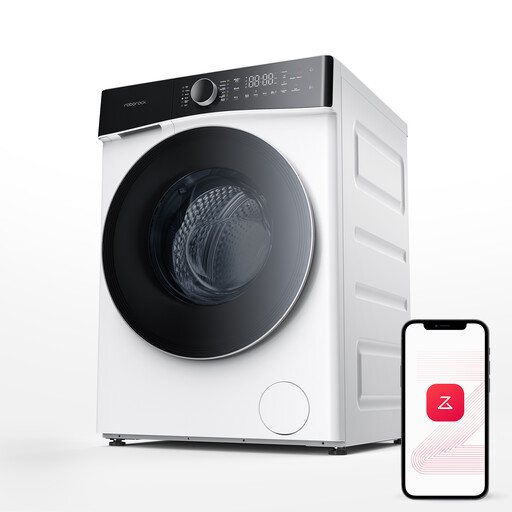
Roborock Zeo Lite, 10 kg washing and 6 kg drying capacity
An option if you want to make use of the 10 kg washing capacity and your tumble-dryer-safe load is within the stated drying capacity of 6 kg.
Energy class E is stated in the product title.
View at Joybuy
 No image available
LG WT1210EGF WashTower, 12 kg washing capacity and 10 kg heat pump tumble dryer
This combination is worth considering if you want a washing machine and separate heat pump tumble dryer in a WashTower configuration.
The stated capacities are 12 kg for washing and 10 kg for drying.
View at Joybuy
 No image available
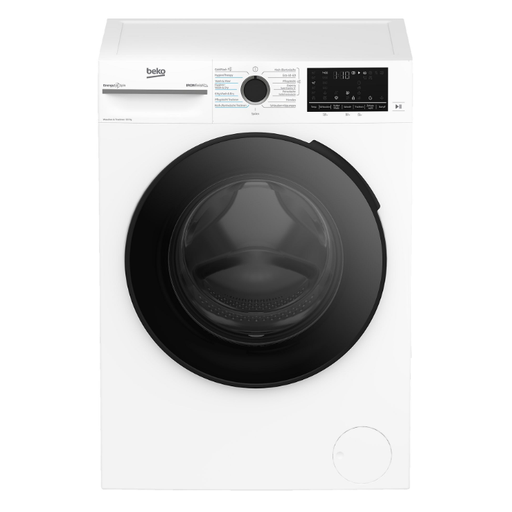
Beko BM3DT4944W, 9 kg washing and 6 kg drying capacity
An option for regular loads if the amount you want to wash and dry is within the stated capacity of 6 kg.
Energy class D is stated in the product title.
View at Joybuy
 No image available
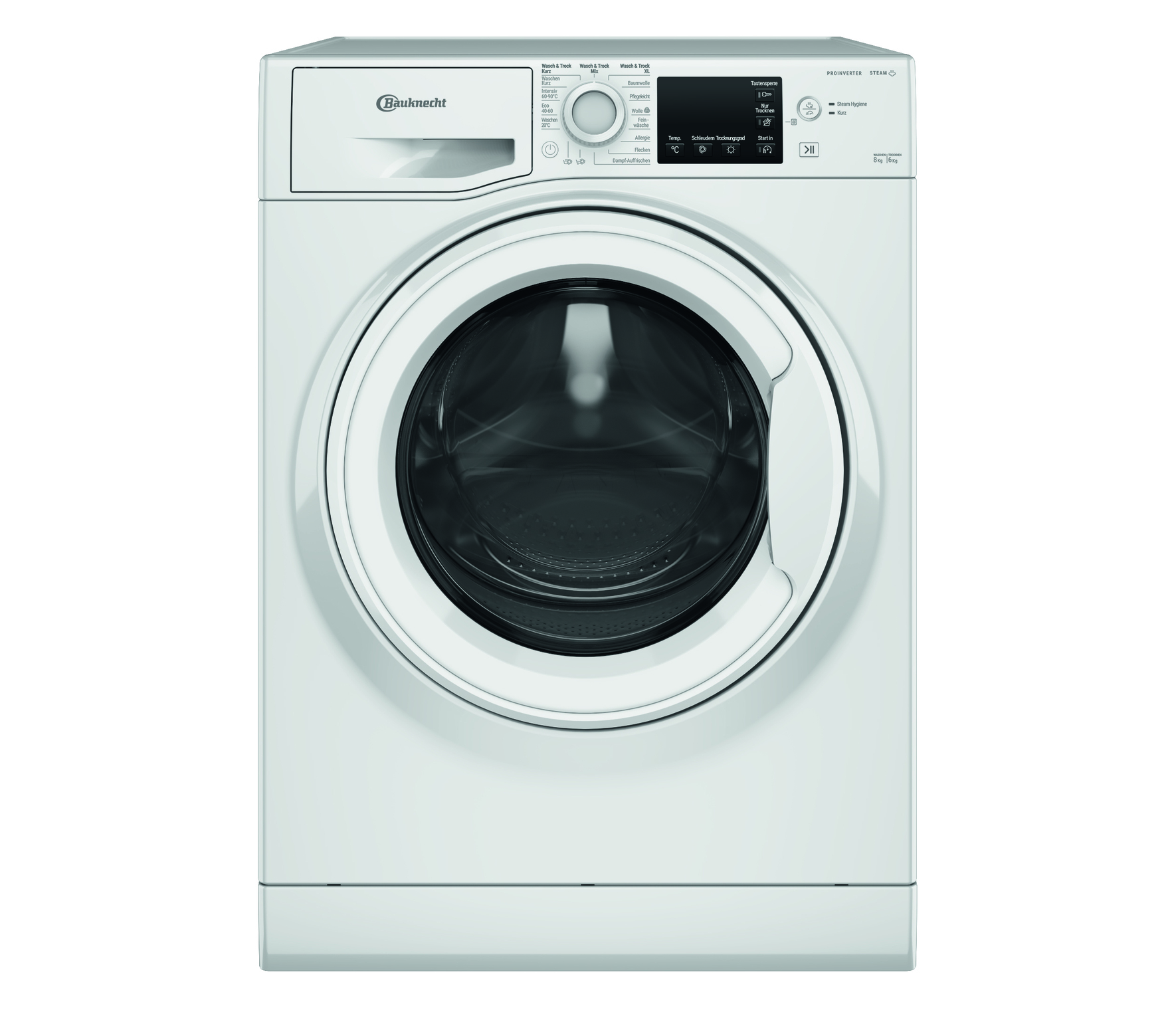
Bauknecht WD Eco Shield 8614 D, 8 kg washing and 6 kg drying capacity
These capacities may suit households that check their T-shirt load against the stated drying capacity before drying.
Efficiency class D is stated in the product title.
View at Joybuy
 No image available
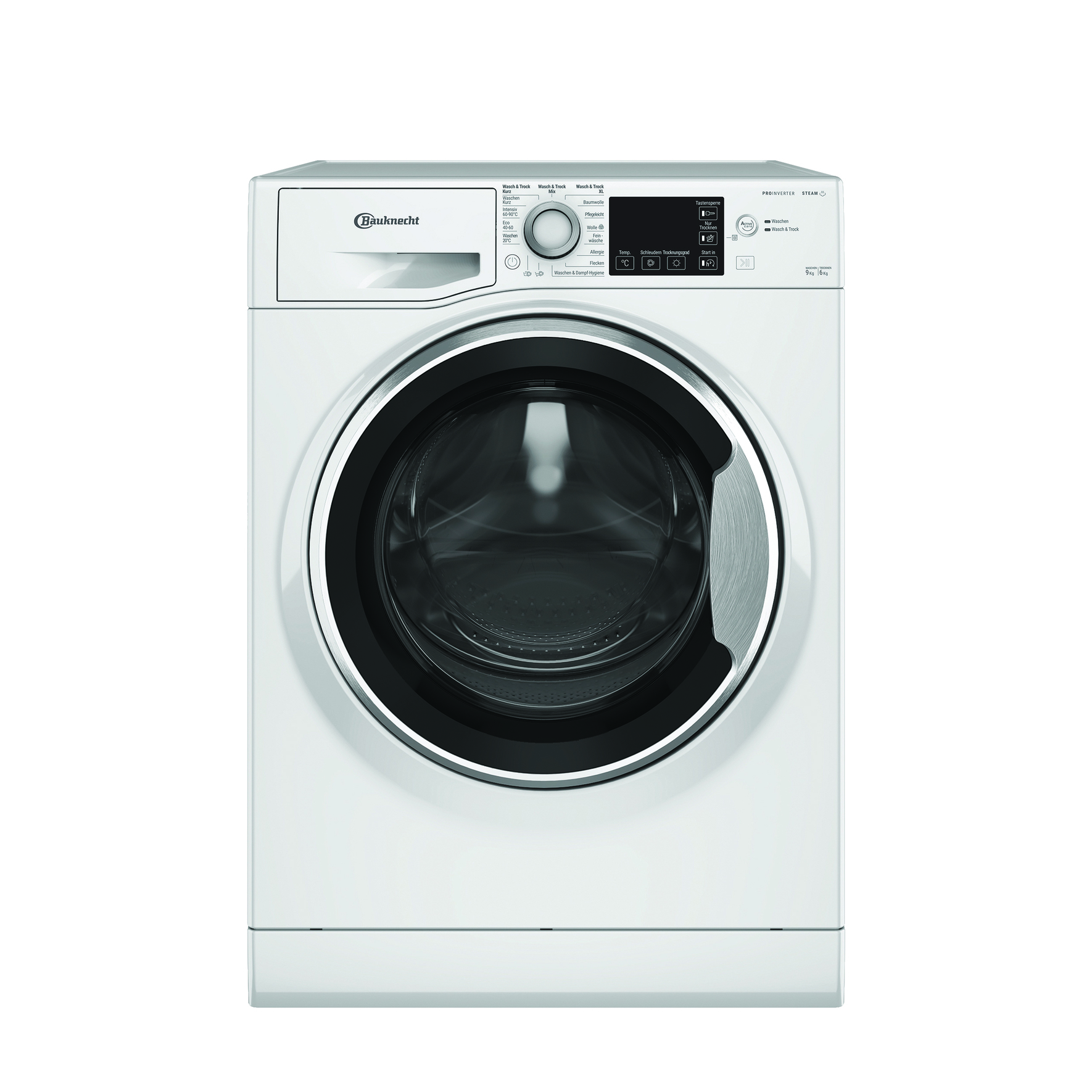
Bauknecht WADR ACTIVE 9614 D, 9 kg washing and 6 kg drying capacity
An option if you’re looking for a washer-dryer for loads that stay within the stated drying capacity.
Efficiency class D is stated in the product title.
View at Joybuy
Frequently asked questions
Can I tumble-dry any cotton T-shirt straight after washing it?
No. The care label on the individual shirt is what matters: a crossed-out tumble-dryer symbol means it shouldn’t be tumble-dried. The fact that it’s made of cotton doesn’t mean it’s suitable for machine drying.
What should I measure before delivery and installation?
Measure the appliance, the space needed to open the door and the delivery route, then compare them with the specifications for the exact model. If you want to stack two appliances, check that both are suitable and that you have a compatible stacking kit. Bosch recommends getting professional help with stacking.
How can I avoid extra moisture when hanging shirts to dry indoors?
The German Environment Agency recommends avoiding drying laundry indoors where possible. If you do hang it indoors, ventilate more to deal with the extra moisture. How often you need to do this also depends on the room.
Which consumption figures should I compare for a washer-dryer?
Don’t compare wash-and-dry figures directly with figures for washing alone. The EU label lists the operating modes separately. If you regularly tumble-dry, the figures for a complete wash-and-dry cycle are relevant to your choice.
What statutory guarantee applies when buying a new appliance in the EU?
According to the European Union’s consumer information, when you buy goods from a professional seller, you’re entitled to a legal guarantee of at least two years from the date you receive them. This is separate from any additional manufacturer’s warranty.


