What should you look for when buying?
The Verbraucherzentrale sees washer-dryers as particularly suitable for households without space to dry laundry. When choosing one, consider both the space available and whether your specific pillowcases can be machine-dried.
| What matters when buying |
What to check |
Who is this particularly important for? |
| Space and appliance design |
Check the appliance dimensions, depth including connections, door opening and whether it is freestanding or integrated. |
If the appliance needs to fit into a narrow alcove or beside furniture, I want to check the available space, door clearance and connections in advance. Around 33% of consumers prioritise a suitable space and appliance design. |
| Drying without a dedicated space |
Check the washing and drying capacities separately, and follow the care symbols on your pillowcases. |
If there’s nowhere suitable to dry laundry, I want to wash and dry suitable pillowcases in one go, without transferring them between appliances. Around 27% of consumers prioritise drying without a separate drying space. |
| Running costs |
Compare the EU energy label figures for the cycle you actually plan to use. |
If I regularly machine-dry laundry, I want to compare the complete wash-and-dry cycle rather than just the washing cycle. Around 20% of consumers prioritise ongoing energy and water use. |
| Care for your pillowcases |
Read the care label and choose suitable washing and drying programmes. |
If my pillowcases have different care symbols, I want to follow the permitted washing temperature and drying method for each one. Around 20% of consumers prioritise fabric care. |
Washer-dryers at Joybuy
The Joybuy products below include compact appliances, freestanding washer-dryers and integrated models. Product details alone don’t confirm that a model will fit your space or be suitable for particular pillowcases.
 No image available
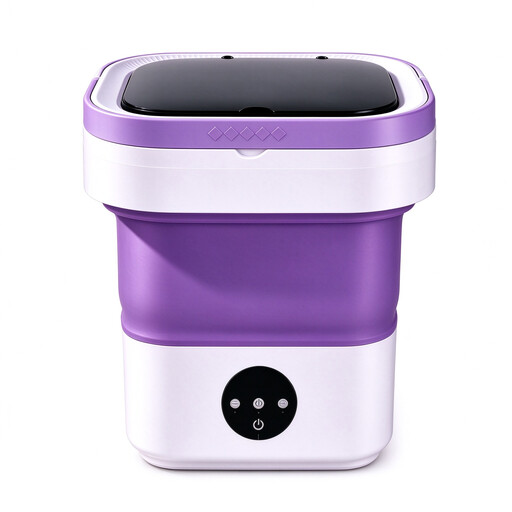
Foldable 3-in-1 mini washing machine, 12 l
Described as a foldable appliance for small loads; the product information calls it a washing machine with a portable dryer.
The product description lists a 12 l washing capacity and a load of up to 1.5 kg.
View at Joybuy
 No image available
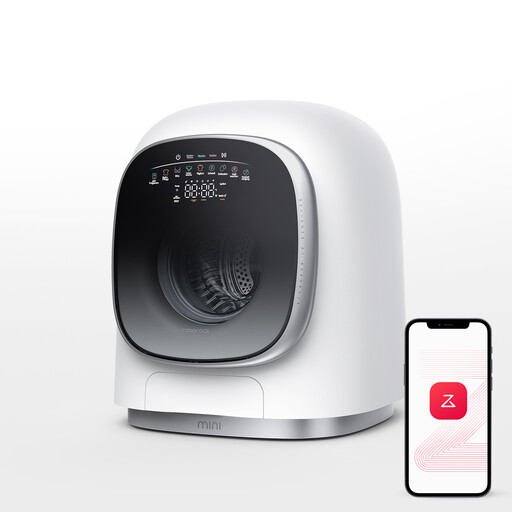
Roborock Zeo mini washer-dryer
The listed compact capacities may appeal to shoppers looking for an appliance for small loads.
The product title lists a washing capacity of 1 kg and drying capacity of 0.5 kg, a low-temperature drying cycle and over 20 washing and drying programmes. For a complete cycle, the lower drying capacity is the limit to bear in mind.
View at Joybuy
 No image available
LG WT1210WWF front-loading washer-dryer
A front-loading washer-dryer for shoppers comparing the convenience of washing and drying in one appliance.
The product title lists a washing capacity of 12 kg and drying capacity of 10 kg, a steam function and Wi-Fi app control. For a complete wash-and-dry cycle, the lower capacity applies.
View at Joybuy
 No image available
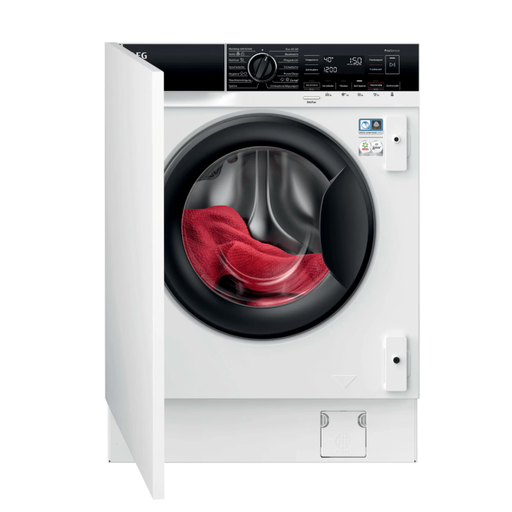
AEG LWR8WI7680 8000 PowerCare integrated washer-dryer
As an integrated appliance, this model may suit shoppers with a space designed for an integrated washer-dryer.
The product title lists a washing capacity of 8 kg and drying capacity of 4 kg, 1,600 rpm, Wi-Fi, ProSense and ProSteam. For a complete wash-and-dry cycle, bear in mind the lower capacity.
View at Joybuy
Frequently asked questions
Can I machine-dry any pillowcase straight after washing it?
No. Whether a pillowcase can be tumble-dried depends on its care label. The number in the wash tub symbol indicates the maximum recommended washing temperature; the tumble-dryer symbol shows whether machine drying is permitted and under what conditions. For a complete wash-and-dry cycle, you’ll also need to stay within the appliance’s drying capacity.
Which figures on the energy label should I compare?
Compare the cycle you actually plan to use: the complete wash-and-dry cycle if you regularly machine-dry laundry, or the washing-only cycle if you mostly air-dry it. The European Commission explains that the EU label shows energy figures per 100 cycles. Only compare figures for the same cycle type and unit.
What should I check before delivery and installation?
Measure the space and access route, then check the appliance type and dimensions, door clearance and installation plan for the specific model. Separately confirm with the retailer whether delivery, installation or removal of your old appliance is included, and what conditions apply.
Is a washer-dryer worth it if I can hang my pillowcases out to dry?
If you have a suitable place to dry laundry, a washer-dryer won’t automatically be the more economical choice. The Verbraucherzentrale considers combined appliances particularly suitable for households without space to dry laundry. If you dry damp laundry indoors, the German Environment Agency recommends airing rooms regularly.


