Households short on drying space
If you wash pillowcases and don’t have room for a separate tumble dryer or a clothes airer, a washer-dryer could be an option. The key is whether your particular pillowcases are safe to tumble dry.


A washer-dryer can save drying space if the care label says your pillowcases are suitable for tumble drying. First check the care symbols and the space available, then compare the separate drying capacity and the energy consumption of a complete wash-and-dry cycle. If the label says not to tumble dry, the drying function won’t solve your space problem.
If you wash pillowcases and don’t have room for a separate tumble dryer or a clothes airer, a washer-dryer could be an option. The key is whether your particular pillowcases are safe to tumble dry.
If your pillowcases need a gentle wash or special care, check their care symbols first. GINETEX explains that a bar beneath the wash symbol means the item needs gentler treatment, with a smaller load and a lower spin speed.
If you want to wash and dry several pillowcases in one go, compare the stated washing capacity with the separate drying capacity. The drying capacity is what matters for a complete wash-and-dry cycle.
A good fit if: Your pillowcases are suitable for tumble drying, you have limited drying space and the load fits the model’s drying capacity.
The trade-off: Drying capacity may be lower than washing capacity; care symbols take precedence over appliance programmes.
A good fit if: The pillowcases are machine washable but not suitable for tumble drying, or you have somewhere suitable to dry them.
The trade-off: You’ll still need space and time for drying.
A good fit if: You have room for both appliances and regularly dry larger loads of laundry that are suitable for tumble drying.
The trade-off: You’ll need space for two appliances. The Verbraucherzentrale notes that washer-dryers use more electricity and water than two separate appliances; actual consumption depends on the model and how you use it.
| Buying priority | What to look for | Who this matters most to |
|---|---|---|
| Save drying space | Check that every care label allows tumble drying, and compare the appliance dimensions with the space available. | If there’s no room for a second tumble dryer or a clothes airer, having a suitable drying solution matters most. Around 33% of consumers put saving drying space first. |
| Care for pillowcases gently | Compare the wash and drying symbols, as well as the required wash temperature and gentle-care setting, with the appliance’s programmes. | If your pillowcases are delicate or have special care symbols, their care instructions should guide your choice of appliance. Around 27% of consumers prioritise giving their textiles the right treatment. |
| Dry a load in one go | Compare the stated kilogram capacities for washing and for washing and drying with the load you plan to tumble dry. | If you want to process several pillowcases without taking them out between cycles, the load needs to fit the drying capacity. Around 20% of consumers particularly value completing the whole process in one go. |
| Energy use when drying | Compare the kWh per 100 complete wash-and-dry cycles separately from the figure for washing alone; factor in how often you’ll use it and your electricity tariff when working out costs. | If you regularly use a tumble dryer, the energy consumption of a complete cycle is especially relevant. Around 20% of consumers put running costs first. |
Wash and drying symbols refer to different types of treatment. A gentle programme doesn’t override a ban on tumble drying.
Before choosing an appliance, check both symbols on every pillowcase. Plan another way to dry any that aren’t suitable for tumble drying.
You’ll still need a suitable place to dry these pillowcases.
Manufacturers may state a higher capacity for washing than for washing and drying. So a full wash load won’t necessarily fit into a complete cycle.
Compare the drying capacity with the actual load of pillowcases you plan to tumble dry.
If the load exceeds the drying capacity, you may need extra drying cycles or another way to dry it.
The figures for washing and for a complete wash-and-dry cycle relate to different modes of operation. The Verbraucherzentrale also points out that combination appliances use electricity and water.
If you regularly tumble dry, consider the energy consumption figure for a complete cycle and how often you’ll use it.
The WNC244070 is an example of a model where you should check the dimensions and separate washing and drying capacities together.
The iQ700 WN54C2A40 illustrates a higher stated washing capacity alongside a separately stated drying capacity.
The W4WR7096YB is a 9 kg/6 kg model that lets you compare the separately stated capacities.
The L9WEF80690 adds heat pump drying and a stated energy consumption figure to the comparison.
The WD90DB8B85GBU2 is another 9 kg/6 kg option with separately stated dimensions.
This selection features washer-dryers with a combined wash-and-dry cycle. Compare the drying capacity with your load, and remember that the care label on your pillowcases determines how they can be dried.
 Image unavailable
For pillowcases suitable for tumble drying, provided the planned load is within the drying capacity.
12 kg washing capacity and 10 kg drying capacity; Dual Inverter heat pump drying.
 Image unavailable
For pillowcases suitable for tumble drying, provided the planned load is within the drying capacity.
12 kg washing capacity and 10 kg drying capacity; Dual Inverter heat pump technology.
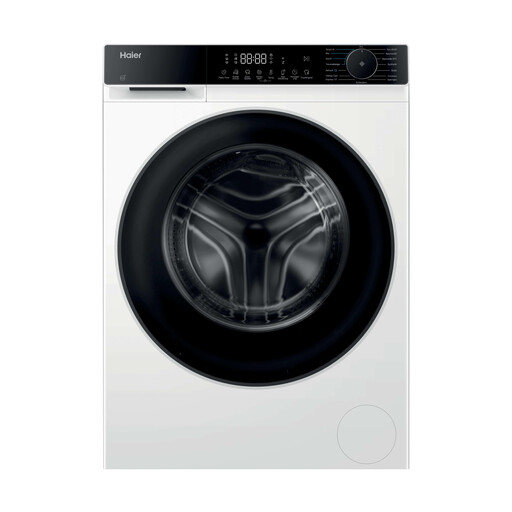 Image unavailable
For pillowcases suitable for tumble drying, provided the planned load is within the drying capacity.
12 kg washing capacity and 8 kg drying capacity.
 Image unavailable
For pillowcases suitable for tumble drying, provided the planned load is within the drying capacity.
10 kg washing capacity and 6 kg drying capacity; Zeo Cycle drying.
 Image unavailable
For pillowcases suitable for tumble drying, provided the planned load is within the drying capacity.
9 kg washing capacity and 6 kg drying capacity.
No. Check the wash and drying symbols separately: GINETEX distinguishes between tumble drying that’s permitted and tumble drying that’s expressly prohibited. The wash temperature and gentle-care setting should also follow the instructions on each pillowcase.
Compare the dimensions of the appliance you’ve chosen with the available space and connections. Follow the instructions for the specific model when installing and connecting it; for example, Bosch lists dimensions of 848 × 598 × 622 mm for the WNC244070.
Check the cleaning points described in the instructions. For its washer-dryers, AEG recommends, among other things, removing visible dirt from the door seal. Cleaning programmes and advice vary by model and heat pump technology.
If you plan to dry laundry in the appliance, focus on the figure in kWh per 100 complete wash-and-dry cycles. The separate figure for washing alone answers a different question; your actual electricity costs also depend on how you use the appliance and your tariff.
Household washer-dryers in Germany are covered by EU Regulation (EU) 2019/2014 on energy labelling. Compare the energy label and product details for the specific model: an efficiency figure for the wash cycle alone doesn’t automatically describe the complete wash-and-dry cycle.