What to prioritise for everyday life in a shared house
Washer-dryer
A good fit if: there’s no suitable space to hang laundry or for a separate tumble dryer, and your load is within the stated drying capacity.
The trade-off: wash and drying loads may differ in size, and the full cycle ties up the same appliance. The Verbraucherzentrale and the European Commission recommend comparing consumption and programme duration using the figures for each cycle.
Washing machine with air-drying
A good fit if: you have enough space to dry laundry fully and don’t need to tumble-dry every load.
The trade-off: you avoid machine drying, but hung towels need space and time to dry.
Washing machine with a separate tumble dryer
A good fit if: you have room and the right connections for both appliances, and you often have several loads to do in your shared house.
The trade-off: two appliances take up more space. The Verbraucherzentrale considers separate appliances more economical in terms of energy and water than typical washer-dryers. Even so, compare the figures for the specific models you’re considering.
If you wash bath towels in a shared house, the right option depends on what matters most: a large drying capacity, a suitable programme for towels, ongoing running costs, available space or being able to plan shared use.
| What matters |
What to look for |
Who is it important to? |
| Drying capacity and throughput |
Compare a typical dry towel load with the wash-and-dry capacity and cycle duration. |
If several housemates wash towels together, I want to avoid having some left over for another drying cycle after the wash. Around 28% of consumers prioritise drying capacity and throughput. |
| Suitable washing for towels |
Check care labels and choose a suitable wash programme. For suitable towels, the Federal Centre for Health Education recommends washing at a minimum of 60 °C with heavy-duty detergent containing bleach. |
If we change shared towels regularly, I want to follow the care labels and use a suitable washing method. Around 22% of consumers prioritise suitable towel washing and hygiene. |
| Energy and water consumption |
Compare the wash cycle and the full wash-and-dry cycle separately on the EU energy label. |
If we often use machine drying in our shared house, I want to take the consumption of regular full cycles into account. Around 22% of consumers prioritise energy and water consumption. |
| Space and connections |
Check the appliance dimensions, the route for getting it into the property and the connections at the intended installation point. |
If there’s barely room for another appliance or an airer next to the washer-dryer, I want to check the dimensions and installation space in advance. Around 17% of consumers focus on the space and connections required. |
| Shared use |
Check the programme display, remaining-time display and, where available, the delay start on the specific model. |
If several people use the same appliance, I want to be able to coordinate programmes and washing times more easily. Around 11% of consumers prioritise clear controls and being able to plan how they use it. |
Joybuy products for washing and drying
This selection includes washer-dryers and combinations of a washing machine and a separate heat pump tumble dryer. Check that the type of appliance, space required and stated drying capacity suit your towel loads.
 No image available
LG WT1210EGF WashTower, 12 kg washing machine and 10 kg heat pump tumble dryer
This washing machine and separate heat pump tumble dryer combination could be a good fit if you can use both functions separately and have room for the appliances.
The product name lists a 12 kg wash capacity and 10 kg drying capacity. Check that your usual towel load is within the drying capacity.
Joybuy
 No image available
LG WT1210WWF front-loading washer-dryer
This model could be an option for a shared house if you want to wash and dry your laundry in one appliance.
The product name lists a 12 kg wash capacity and 10 kg drying capacity, as well as Dual-Inverter heat pump technology, a steam function and the ThinQ app.
Joybuy
 No image available
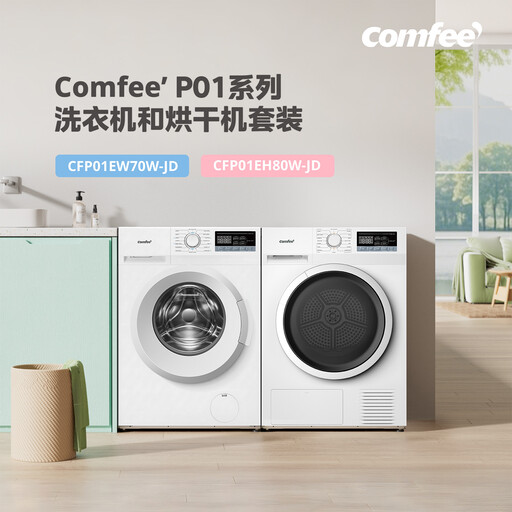
Comfee CFP01EW70W-JD washing machine and CFP01EH80W-JD heat pump tumble dryer
These separate appliances could be a good option if you want to use the washing and drying stages independently.
The washing machine and heat pump tumble dryer are separate appliances, so allow space for both and compare their respective capacities with your towel loads.
Joybuy
 No image available
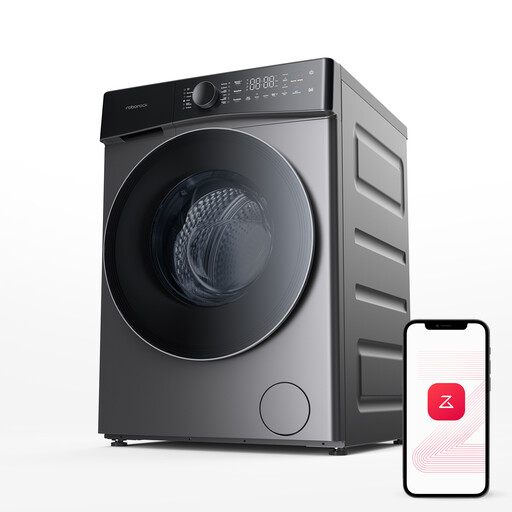
Roborock Zeo Lite Grey washer-dryer
A washer-dryer could be a good fit if you want to wash and dry your towel load in one appliance.
The product name lists a 10 kg wash capacity and 6 kg drying capacity, as well as Zeo-Cycle drying technology. Check the drying capacity against your usual load.
Joybuy
 No image available
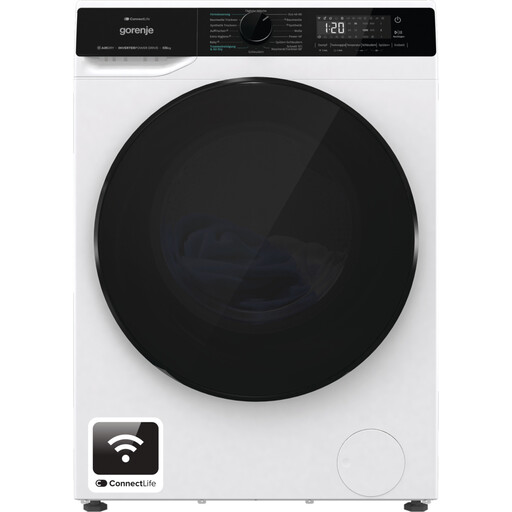
Gorenje WD2PA854ADW DE washer-dryer
This washer-dryer could work well in a shared house if you want to wash and dry your towels in one appliance.
Before choosing, compare the stated wash and drying capacities with your usual load. The product name also lists 16 programmes and 1400 RPM.
Joybuy
Frequently asked questions
Can we dry a full load of bath towels without transferring them to another appliance?
Only if the load is within the stated wash-and-dry capacity of the specific appliance. For some listed models, this is lower than the wash capacity alone, so check both figures.
How should we wash shared towels?
The Federal Centre for Health Education recommends washing suitable towels at a minimum of 60 °C with heavy-duty detergent containing bleach. Also follow the care labels and change towels regularly. According to its advice, there’s no need to use a hygiene rinse.
What should we check before installing a washer-dryer?
Check the dimensions and installation instructions for the specific model against the space available, the route for getting it into the property and the connections you already have. You should also agree together how the purchase and use of the appliance will be organised.
What rights do we have if an appliance breaks down in Germany?
When you buy goods as a consumer, you generally have statutory rights against the seller. These are separate from any voluntary manufacturer’s guarantee. The Verbraucherzentrale explains that for sales contracts from 31 July 2026, the time limit is extended once by twelve months if you choose a repair rather than a replacement when a fault occurs.
Can we put an old appliance in the household rubbish?
No. The German Environment Agency says that waste electrical appliances must be collected separately in Germany. Local collection points generally accept them free of charge. Check the terms for any take-back service offered by the retailer for your purchase.


