What should you consider when buying?
First decide whether your shared house needs a tumble dryer, and whether one appliance or two would work better for everyone’s routine.
Washer-dryer
A good fit if: you have little room for separate appliances or somewhere to dry clothes, and your usual towel loads are within the appliance’s drying capacity.
The trade-off: the shared machine is occupied while it dries. Compare wash-only and complete wash-and-dry cycles separately, as recommended by Germany’s consumer advice centre and the HEA.
Washing machine with air-drying
A good fit if: you have a suitable place to dry clothes and don’t need your towels to be machine-dried straight away.
The trade-off: drying clothes indoors means you need to remove the moisture. Germany’s Environment Agency recommends airing rooms regularly when drying damp laundry indoors.
Washing machine and separate tumble dryer
A good fit if: you have room for two appliances and your shared house does a lot of washing and drying, or you want to use the washing machine while a load is drying.
The trade-off: two appliances need more floor space. Compare the energy and water figures for the specific appliances you’re considering on a like-for-like basis.
| What matters when buying |
What to check |
Who is it important to? |
| Drying and installation space |
Check the appliance dimensions and installation requirements against the space available, and make sure there’s a suitable place to dry clothes. |
If there’s hardly any room to dry clothes in our shared house, I need a solution that will actually fit. Space is the top priority for around 31% of consumers. |
| Drying capacity and time in use |
Check the washing and drying capacities in kg, as well as the duration of the programme you plan to use. |
If lots of people use the same machine, I want to know how many towels it can dry in one go and when the appliance will be free again. Around 25% of consumers prioritise throughput and how long the appliance is in use. |
| Electricity and water use |
On the energy label, compare the figures for 100 wash cycles and 100 complete wash-and-dry cycles on the same basis. |
If we regularly machine-dry our laundry, I want to be able to weigh up the running costs clearly. Ongoing costs are the main concern for around 25% of consumers. |
| Towel care and hygiene |
Follow the care labels and choose a suitable washing programme. If there’s a specific infection risk, check separately what measures are appropriate. |
If towels have delicate care instructions or there’s a particular hygiene concern, I want to choose a suitable wash programme rather than rely on an extra setting alone. Towel care is the main priority for around 19% of consumers. |
Washer-dryers at Joybuy
The following washer-dryers are options for shared houses looking to combine washing and drying in one appliance.
 No image available
Roborock Zeo Lite White washer-dryer, 10 kg/6 kg
For a complete wash-and-dry cycle, the product title lists a washing capacity of 10 kg and a drying capacity of 6 kg.
The title also mentions Zeo-Cycle drying and energy class E.
View at Joybuy
 No image available
Samsung washer-dryer, 9 kg/6 kg
For a shared towel load, the product title lists a washing capacity of 9 kg and a drying capacity of 6 kg.
The title also lists 1400 rpm and energy classes A (washing) and D (overall).
View at Joybuy
 No image available
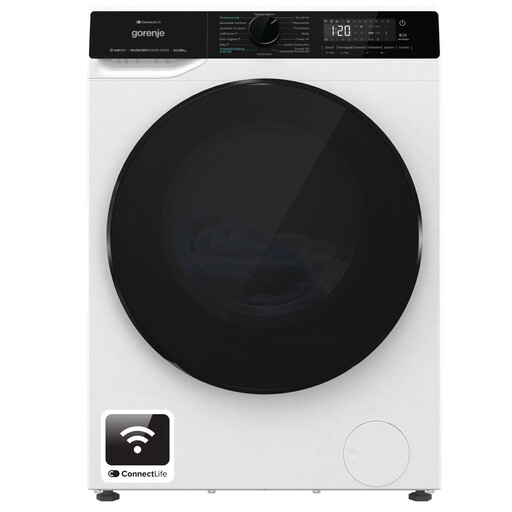
Gorenje WD2PA1X64ADW DE washer-dryer
For anyone looking to wash and dry in one appliance, the product title lists 16 programmes and “Wash & Dry 60'”.
Other details in the title include 1400 rpm and a 54-litre capacity.
View at Joybuy
 No image available
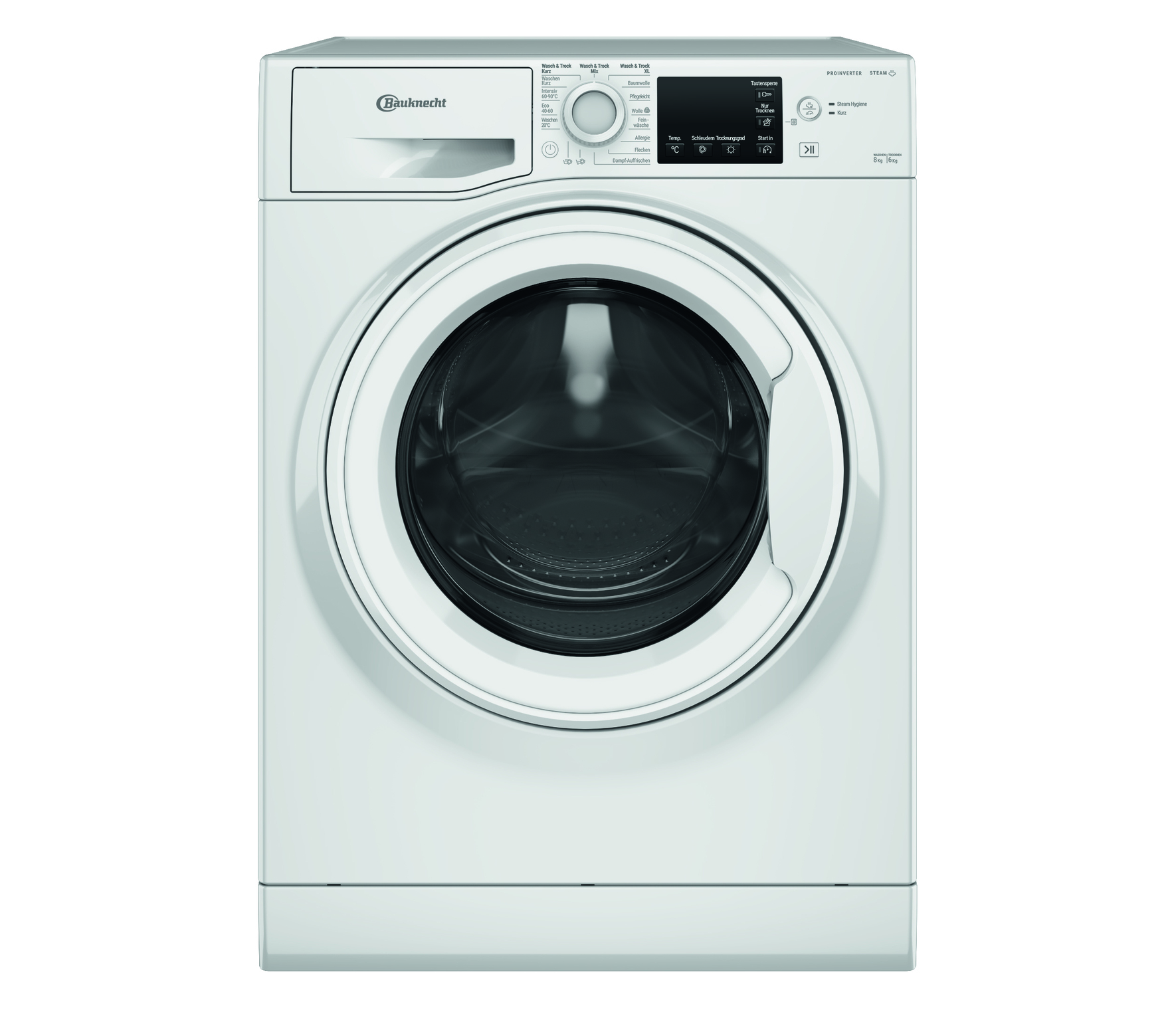
Bauknecht WD Eco Shield 8614 D washer-dryer, 8 kg/6 kg
For a complete wash-and-dry cycle, the title lists a washing capacity of 8 kg and a drying capacity of 6 kg.
A full-load wash-and-dry cycle is listed as taking 9 hours 20 minutes. Bear this in mind when sharing the appliance.
View at Joybuy
 No image available
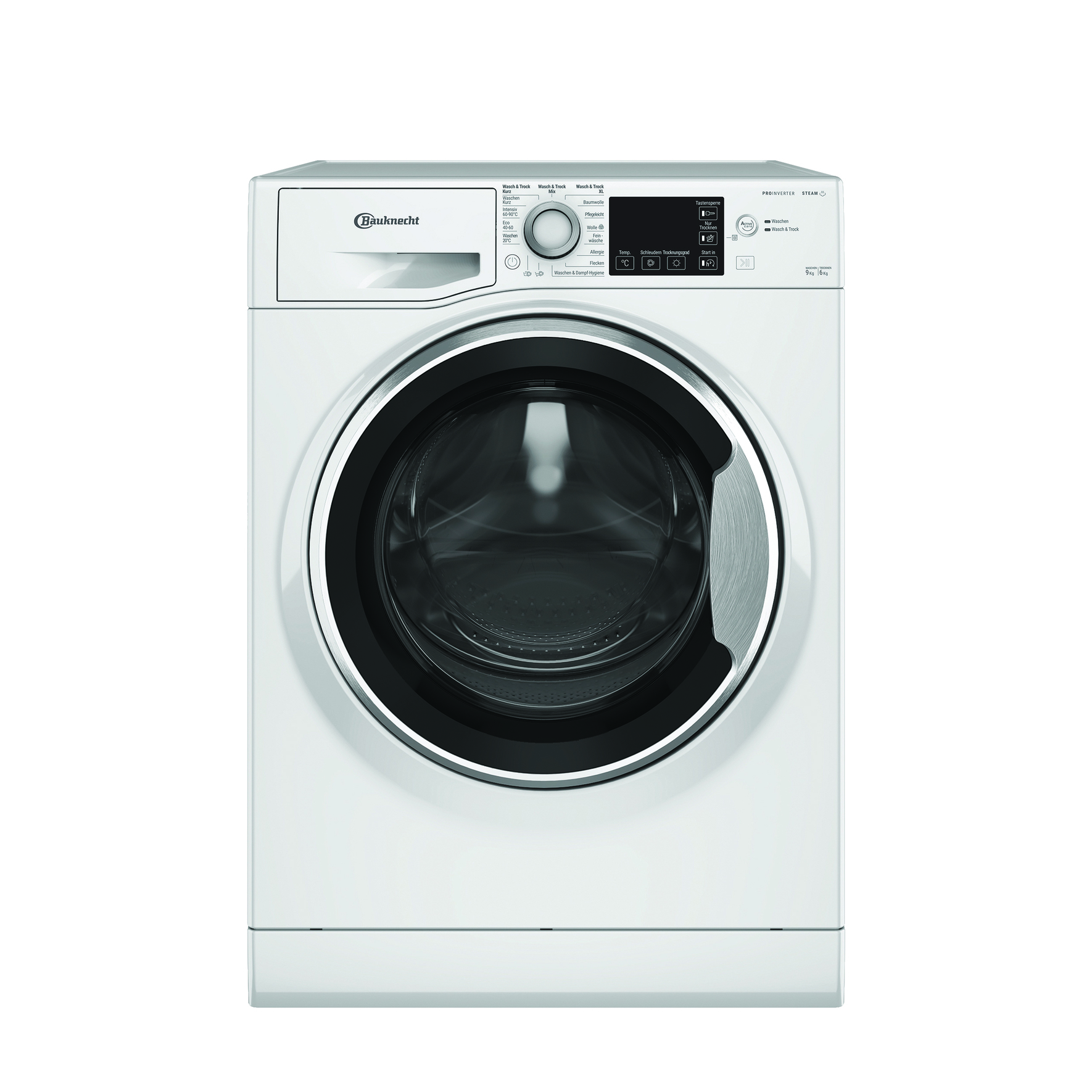
Bauknecht WADR ACTIVE 9614 D washer-dryer, 9 kg/6 kg
For a complete towel load, the product title lists a washing capacity of 9 kg and a drying capacity of 6 kg.
A full-load wash-and-dry cycle is listed as taking 9 hours 20 minutes. Check that this cycle time fits in with your shared-house routine.
View at Joybuy
Frequently asked questions
Is the washing capacity enough for a complete towel load?
No, the washing capacity alone isn’t enough to tell you. If you want to dry a load straight after washing without taking any laundry out, base its size on the drying capacity for the specific model and programme.
How do I compare a washer-dryer’s energy use?
On the energy label, compare the kWh per 100 cycles for washing only separately from the figures for complete wash-and-dry cycles. The HEA – Association for Efficient Energy Use explains these separate figures. To estimate your own costs, you’ll also need the number of each type of cycle you run and your actual electricity and water rates.
Do towels in a shared house always need to be washed at 60 °C or disinfected?
No, not as a general rule. Germany’s Environment Agency says that boiling or disinfecting ordinary household laundry isn’t generally necessary in the home. If someone has a contagious illness, higher washing temperatures can help alongside other hygiene measures. Follow the care labels and seek specific advice for particular circumstances.
What should I bear in mind before installation and when using the appliance?
Check the appliance dimensions against the space you have, and follow the installation and connection requirements in the model’s manual. To prevent odours, Germany’s consumer advice centre recommends not leaving wet laundry in the machine for too long and wiping the seal and detergent drawer dry.
Does the energy label need to be visible when buying online?
The EU energy label must be clearly visible in online shops for new household appliances that are required to carry one. The European Commission lists second-hand products as an exception to these labelling rules.


