A shared house with no drying space
If there’s nowhere to hang your pillowcases, a washer-dryer could save space. First check the drying symbols, then the drying capacity. Washing and drying instructions should be checked separately.


A washer-dryer could suit a shared house if the care label says the pillowcases are suitable for tumble drying and there’s little space to hang them up. If you have room to dry them and can ventilate the space well, a washing machine with air-drying is an obvious alternative. The consumer advice centre points out that washer-dryers can use more electricity and water than separate appliances. When you’re sharing one, drying capacity and the time taken to complete the full programme matter too.
If there’s nowhere to hang your pillowcases, a washer-dryer could save space. First check the drying symbols, then the drying capacity. Washing and drying instructions should be checked separately.
If you share the machine with housemates, check the washing and drying capacities separately, and see how long the full combined programme takes for a typical load.
For delicate fabrics, the care label tells you how to treat them. A delicate programme doesn’t override those instructions. The consumer advice centre also recommends choosing a drum size that suits your household.
A good fit if: there’s little space to hang laundry and the care label says your pillowcases can go in the tumble dryer.
Bear in mind: Drying capacity may be lower than washing capacity. The consumer advice centre notes that washer-dryers use more electricity and water than separate appliances.
A good fit if: you can hang your pillowcases up and the house can be ventilated well while they dry.
Bear in mind: You’ll need space to dry your laundry. The German Environment Agency points out that damp washing increases humidity indoors.
A good fit if: there’s enough space and the right connections for two appliances, and you want to wash and dry loads at the same time regularly.
Bear in mind: Two appliances need more floor space. Bosch recommends using a suitable stacking kit.
For washer-dryers, first check the care label and the drying capacity you need, then compare the figures for the way you actually plan to use the appliance. The EU energy label shows separate ratings for washing alone and washing with drying.
| What matters to you | What to check before buying | Who is it most relevant to? |
|---|---|---|
| Drying without taking up space | The pillowcases’ drying symbol and the drying capacity in kg. | If there’s hardly any room to hang laundry in your shared house, I’d first check whether the pillowcases can be tumble-dried at all. Around 33% of consumers put a lack of drying space at the top of their list of buying priorities. |
| Shared loads | Check the washing and drying capacities separately, as well as the time taken by the full programme. | When sharing laundry, I want to avoid having to leave some of the load waiting after the wash. Around 27% of consumers prioritise separate capacity figures and how long the machine is in use. |
| Caring for delicate pillowcases | Check the care symbols against the programmes and load sizes allowed for those fabrics. | For delicate fabrics, I follow the care label rather than relying on a promise of a delicate programme. Around 20% of consumers put suitable fabric care first. |
| Running costs | Compare the kWh and water figures for each operating mode. | If I use the appliance often, I compare the consumption for the mode we’ll actually run. Around 20% of consumers prioritise ongoing electricity and water costs. |
Washing and tumble drying have different care symbols. A pillowcase may be suitable for machine washing but not for drying in an appliance.
Before buying a washer-dryer, check the care labels on the pillowcases you actually use.
Some of the example models described here have a lower stated drying capacity than washing capacity. So a full wash load won’t necessarily fit in the dryer in one go.
Compare both capacity figures in kg and check how long the full programme takes for the load you plan to wash.
Manufacturers’ claims about quick programmes may apply to small or half loads and cover only part of the cycle.
Check the programme, permitted load size and full cycle time for the specific model.
The EU energy label distinguishes between operating modes. So if you regularly use the dryer, check the figures for the wash-and-dry mode too.
Compare the label figures for the mode you’re most likely to use.
LG lists a washing capacity of 9 kg and a drying capacity of 6 kg for its W4WR7096YB washer-dryer.
Bosch lists a washing capacity of 10.5 kg and a wash-and-dry capacity of 6 kg for its WNC254A40 washer-dryer.
AEG lists a capacity of 8 kg for washing and 5 kg for drying for the 7000 Series L7WBA60680.
Beko lists a washing capacity of 8 kg and a drying capacity of 5 kg for its WDW85141Steam1.
The Joybuy products below are washer-dryers. Before choosing one, check that the care labels, drying capacity you need and consumption figures suit your shared house.
 No image available
An option if you want to compare the washing and drying capacities separately for shared-house loads.
Washing capacity: 12 kg; drying capacity: 10 kg; Dual Inverter heat pump.
 No image available
An option if you want to check both capacities and the consumption for each operating mode before sharing the appliance.
Washing capacity: 9 kg; drying capacity: 6 kg; 1,400 rpm. The product name lists energy class A for washing and D for the appliance overall.
 No image available
An option if you want to check a shared load against the separately stated washing and drying capacities.
Washing capacity: 10 kg; drying capacity: 6 kg; Zeo-Cycle drying.
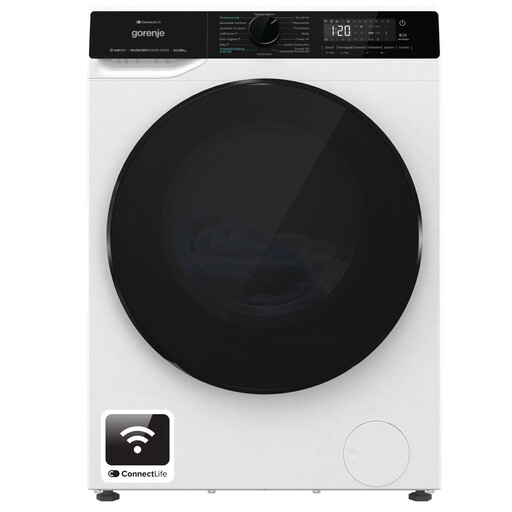 No image available
An option if you want to check the programmes and shared-use details against your needs.
16 programmes; 54 litres; 1,400 rpm.
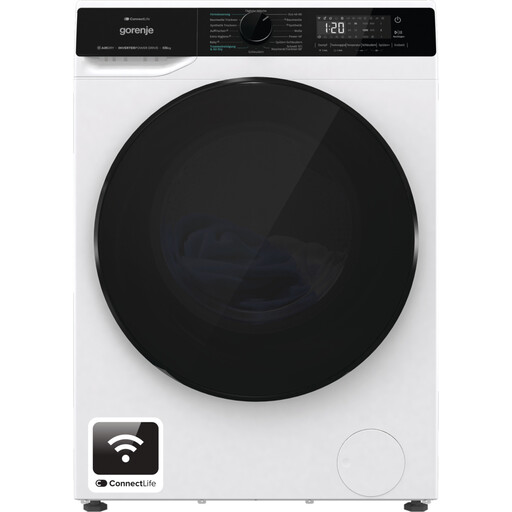 No image available
An option if you want to check the care instructions for your pillowcases against the appliance settings and how you plan to use it before choosing.
The product name lists 8 kg; check the separate washing and drying capacities for the load you plan to wash.
Not necessarily. Check the washing and drying symbols on each pillowcase, as they give different care instructions.
Damp laundry increases humidity indoors. If you hang your pillowcases up inside, ventilate the room more often. The German Environment Agency recommends using drying rooms or designated laundry areas where possible.
Compare the EU energy label figures for washing alone and washing with drying separately. For new household washer-dryers covered by the rules, the energy label must also be displayed when they’re sold online.
No. When you buy as a consumer, your statutory rights are against the seller. An additional guarantee is voluntary and is subject to its own terms and conditions.
Check that both specific appliances are suitable for stacking and use a compatible stacking kit. Bosch recommends having the installation carried out by a qualified service technician.