Frequent small-load washers
You often wash just a few flannels and want to know what load size a programme is designed for, and when it makes sense to wait and wash suitable items together.


If you often wash small loads of flannels and have somewhere to hang them, a washing machine without a drying function may be all you need. A washer-dryer is mainly worth considering if you don’t have a suitable place to dry your washing. When comparing a washer-dryer, check its washing and drying capacities, which programmes are suitable for small loads, and the energy and water consumption for both modes.
You often wash just a few flannels and want to know what load size a programme is designed for, and when it makes sense to wait and wash suitable items together.
You want to wash and dry your clothes in one footprint, so you need to check how much washing the appliance can actually dry without you having to remove some of it.
You choose how to care for your washing based on the fabric, how soiled it is and your household’s needs. You also want to avoid mistaking claims about steam or antibacterial components for proof of disinfection.
Best suited to: If you have somewhere suitable to hang your washing and usually wash just a few flannels.
The trade-off: Air-drying takes time and space. You’ll still need to choose a wash programme and temperature that suit the fabric and how soiled it is.
Best suited to: If you’re short on space to dry washing and room for appliances, and the loads you want to machine-dry are small.
The trade-off: The drying capacity may be considerably lower than the washing capacity. Check the dimensions too, along with the load limits for small-load programmes.
Best suited to: If you have space for a standard-width appliance but nowhere suitable to dry washing, and regularly wash larger items too.
The trade-off: A larger washing capacity doesn’t mean the drying capacity is the same, and it doesn’t automatically make frequent, underfilled wash cycles more worthwhile.
Best suited to: If you have room and the necessary connections for two appliances, and regularly want to machine-dry your washing.
The trade-off: Two appliances need more space. Germany’s consumer advice centre says washer-dryers use more electricity and water than separate appliances.
The EU energy label shows consumption figures for each operating mode. Germany’s consumer advice centre also highlights that washer-dryers use more electricity and water than separate appliances.
| What matters | What to look for | Who it matters most to |
|---|---|---|
| Programme for small loads | Check the manual for the load capacity of the specific quick or delicate programme, as well as its temperature options and fabric suitability. | If I’m only washing a few flannels, I want to know whether the wash cycle I’m interested in is suitable and whether it would make more sense to wait and wash suitable items together. Around 31% of consumers are likely to consider this programme capacity especially important. |
| Drying when space is limited | Compare the washing and drying capacities separately, along with the appliance dimensions and the space needed for connections and the door to open. | If I don’t have space to hang my washing or fit a separate tumble dryer, I want to know whether the appliance can dry the whole load. Around 25% of consumers are likely to prioritise this. |
| Care and hygiene | Follow the care label and take the level of soiling into account. Don’t assume that advertised steam or hygiene features prove that the appliance disinfects your washing. | If I want to care for my flannels in a way that suits the fabric and my household, I don’t want to rely on advertising claims alone. Around 25% of consumers are likely to consider care and hygiene their top priority. |
| Running costs | Compare the kWh per 100 cycles for washing and for washing plus drying, as well as the water used per cycle. | If I wash or dry frequently, I want to compare the figures for the operating mode I actually use. Around 19% of consumers are likely to place particular importance on running costs. |
The drying capacity may be considerably lower than the washing capacity. If the load is too large to dry, you’ll need to take some items out or run another drying cycle.
If you want to wash and dry a load without interruption, compare the two capacity figures in kg for the specific model.
Efficiency figures apply to different operating modes. For the Haier HWD50-BP12307U1, the manufacturer lists an A rating for washing and an E rating for wash-and-dry cycles.
Check the consumption figures and efficiency rating for the operating mode you’ll actually use.
Manufacturer claims about components or individual programmes don’t automatically prove that every load of flannels will be disinfected.
Follow the care label and choose a suitable wash temperature. Consider advertising claims only in relation to the specific conditions stated.
These details relate to the models listed and the information provided by their manufacturers, not to each brand’s entire range.
The HWD50-BP12307U1 is a compact model with limited drying capacity; according to Haier, the HWD80-BP14637T offers more capacity.
The W4WR7096YB is a full-size washer-dryer for households that wash larger items as well as small loads.
The LWR8B80600 is an option for households that regularly wash items other than flannels too.
The WTD160 WCS is a washer-dryer with a washing capacity of 8 kg and a drying capacity of 5 kg.
The WATK Sense 86 DC is a washer-dryer with a washing capacity of 8 kg confirmed by the manufacturer.
The Joybuy products below are washer-dryers. Their listed washing and drying capacities will help you check how well each appliance matches the size of your usual loads.
 No image available
With a washing capacity of 12 kg and drying capacity of 10 kg, this model could suit you if your usual loads are within those limits. For individual flannels, also check the capacity of the programme you want to use.
Dual Inverter heat pump, AI DD, TurboWash 360°, Steam function and Wi-Fi ThinQ app.
 No image available
The separate capacity figures make it easier to compare the appliance with your usual washing. For a small load, also check which programmes are suitable.
The product title lists 1,400 U/min, AI EcoBubble, Wi-Fi control, and load and stain detection.
The title gives an A energy rating for washing and D overall; these figures apply to different operating modes.
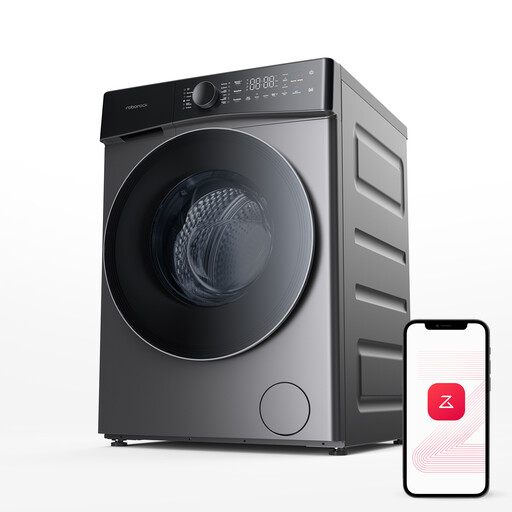 No image available
Compare the listed washing capacity of 10 kg and drying capacity of 6 kg separately with your usual load. For individual flannels, the programme capacity matters too.
The product title lists Zeo Cycle drying, a self-cleaning LintClear system, automatic dosing and an E energy rating.
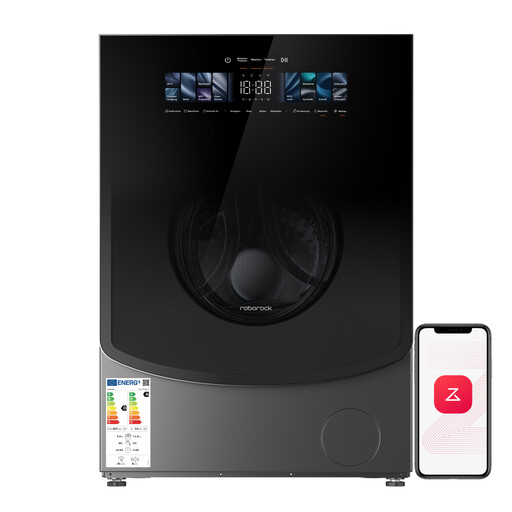 No image available
With a washing capacity of 11 kg and drying capacity of 6 kg, check whether the drying capacity is enough for the loads you want to dry without taking some items out.
The product title lists app control, Zeo Cycle drying, a self-cleaning LintClear system and 27 programmes.
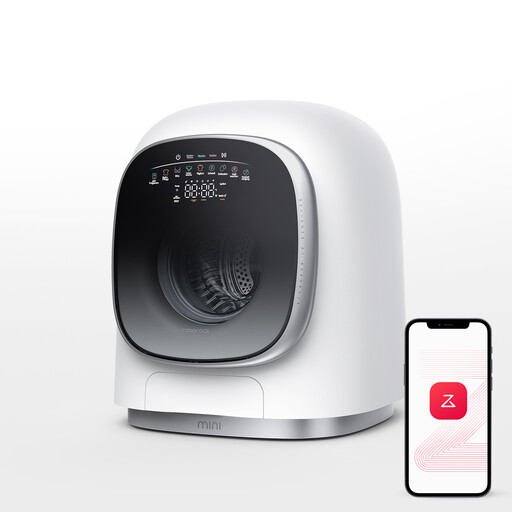 No image available
The listed washing capacity of 1 kg and drying capacity of 0.5 kg are designed for very small loads. Check whether the capacity of the programme you want to use is suitable for your flannels.
The product title lists more than 20 wash and drying programmes, Zeo Cycle low-temperature drying and a self-cleaning LintClear system.
Only if the fabric, level of soiling and programme capacity stated in the manual are all suitable. The appliance’s maximum washing capacity doesn’t automatically apply to a quick programme.
No, there’s no blanket rule that every face flannel must be washed at 60 °C. Germany’s Federal Environment Agency recommends washing towels at 40 or 60 °C for hygiene reasons. Follow the care label and take any specific hygiene needs in your household into account.
Compare the dimensions of the specific model with the space available, the connections and the room needed to open the door. Follow the appliance manual for installation and cleaning. Dimensions for one model don’t necessarily apply to other washer-dryers.
If you usually only wash, the stated washing-cycle figure is particularly relevant. If you regularly dry your washing in the appliance too, check the figure for a complete wash-and-dry cycle as well. The EU energy label lists the operating modes separately; your actual costs also depend on how you use the appliance and your tariffs.
For eligible consumer distance contracts, the statutory cancellation period is generally 14 days. For goods, it usually starts when you receive them, but not before you have received the required information. Your statutory rights against the seller are separate from any voluntary guarantee.