Small flat with no drying space
If you wash dresses regularly and have neither room for a second appliance nor a practical place to dry them, the appliance dimensions and drying capacity are important factors to consider.


A washer-dryer can be a practical choice in a small flat if there’s no room for a second appliance or a suitable place to dry clothes, and the care labels say your dresses can be tumble-dried. The Verbraucherzentrale points out that washer-dryers use more electricity and water than a washing machine and separate tumble dryer. So compare the consumption figures for a full wash-and-dry cycle with those for washing alone. Also check the appliance dimensions and drying capacity: Bosch Hausgeräte stresses that care-label instructions apply to all types of tumble dryer.
If you wash dresses regularly and have neither room for a second appliance nor a practical place to dry them, the appliance dimensions and drying capacity are important factors to consider.
If your washable summer dresses have different care instructions, choose the wash programme and drying method for each dress according to its care label.
If you can air-dry some of your laundry, it’s worth considering how often you really need a full wash-and-dry cycle. The Verbraucherzentrale notes that washer-dryers use more electricity and water than separate appliances.
A good fit if: There’s no room for two appliances or a practical place to dry clothes in your small flat, and your dresses are suitable for tumble-drying.
The trade-off: The Verbraucherzentrale says washer-dryers use more electricity and water than a washing machine and separate tumble dryer. The drying capacity is also usually the tighter limit.
A good fit if: The care labels say your dresses can be hung up to dry and you have a suitable place to do so.
The trade-off: You’ll still need space to dry your clothes. The Verbraucherzentrale recommends ensuring your flat is adequately ventilated and heated.
A good fit if: You have room for two appliances and regularly wash clothes whose care labels say they can be tumble-dried.
The trade-off: This combination needs more floor space. According to the Verbraucherzentrale, it uses less electricity and water than a typical washer-dryer.
| Buying priority | What to look for | Who should prioritise this? |
|---|---|---|
| Floor space and drying space | Check the appliance dimensions against the space available; consider whether you have somewhere to air-dry clothes. | If there’s no room in my flat for a second appliance and hardly any space to dry clothes, every centimetre counts. Around 36% of consumers put the lack of space for another appliance first. |
| Caring for summer dresses | Check the washing and drying symbols on each dress; only use programmes that follow the care instructions. | If my dresses have different care labels, I want to be able to choose the right wash programme and drying method for each one. Around 29% of consumers prioritise fabric care. |
| Electricity and water consumption | Compare the figures on the EU label for the operating mode you use, not just the figures for washing alone. | If I can air-dry some of my laundry, I want to focus on the consumption of the programmes I actually use. Around 21% of consumers prioritise energy and water consumption. |
| Continuous wash-and-dry cycle | Check the drying capacity and programme duration for a full cycle; plan the load according to the lower drying capacity. | If I want to wash and dry without transferring clothes between appliances, I’ll base the load size on the drying capacity. Around 14% of consumers prioritise a continuous cycle. |
Washing and drying symbols give different care instructions. A drying cycle that goes against the care label could damage the dress.
Check the care label on every item before drying it. If tumble-drying isn’t allowed, choose a permitted drying method after washing.
The stated drying capacity may be lower than the washing capacity. So a full wash load won’t necessarily fit into the same continuous drying cycle.
Plan a combined cycle around the drying capacity of the specific model.
An oversized load may mean running an extra drying cycle or transferring some of the laundry.
The EU label lists figures separately for a full wash-and-dry cycle and for washing alone. The Verbraucherzentrale explains that the kWh figures relate to different operating modes.
Compare the figures for the mode you’re most likely to use, and don’t treat a washing-only rating as an assessment of the full cycle.
Air-drying laundry requires a suitable space. Moisture also needs to be removed from the flat.
Before choosing an appliance, check that you have somewhere suitable to dry clothes and can ventilate the space adequately. The Verbraucherzentrale also recommends keeping the flat sufficiently heated when drying clothes indoors.
LG Deutschland lists the W4WR7096YB washer-dryer with a 9 kg washing capacity and 6 kg drying capacity.
AEG lists an 8 kg washing capacity and 5 kg drying capacity for the LWR7AMZ48WD, along with ProSteam and SpecialCare Wash-to-Dry.
Bosch lists the WNA14441, with a 9 kg washing capacity and 5 kg drying capacity, in its washer-dryer range.
Haier lists a 10 kg washing capacity and 6 kg drying capacity for the HWD100-BD14979U1, with appliance dimensions of 595 × 617 × 850 mm.
Miele lists the WT1 WTI360 WPM PWash with an 8 kg washing capacity, 5 kg drying capacity and SteamCare.
This selection features washer-dryers that combine washing and drying in one appliance. Always check the care label on each summer dress before drying it.
 Image unavailable
An option if you want to combine washing and drying in one appliance. It has a stated washing capacity of 10 kg and drying capacity of 6 kg, as well as Zeo-Cycle drying technology and energy class E.
Only choose machine drying if the care label on the dress allows it.
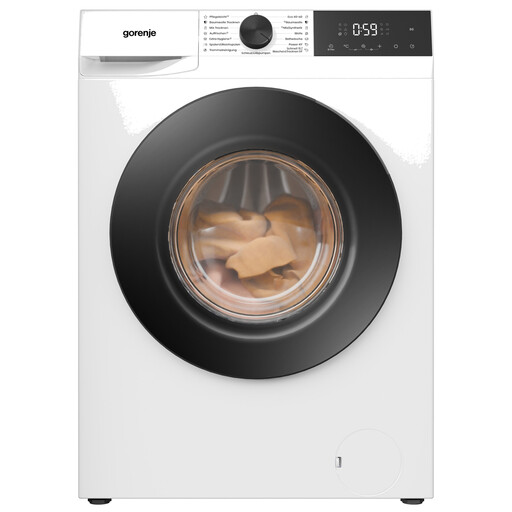 Image unavailable
For households looking to combine washing and drying in one appliance. The stated capacity is 11 kg for washing and up to 7 kg for drying.
Bear the drying capacity in mind, and only choose machine drying if the dress’s care label allows it.
 Image unavailable
For anyone looking to combine washing and drying in one appliance. The product name lists a washing capacity of 12 kg and drying capacity of 10 kg, as well as a Dual-Inverter heat pump, AI DD, TurboWash 360°, a steam function and the ThinQ app.
Before drying, check that the dress’s care label allows machine drying.
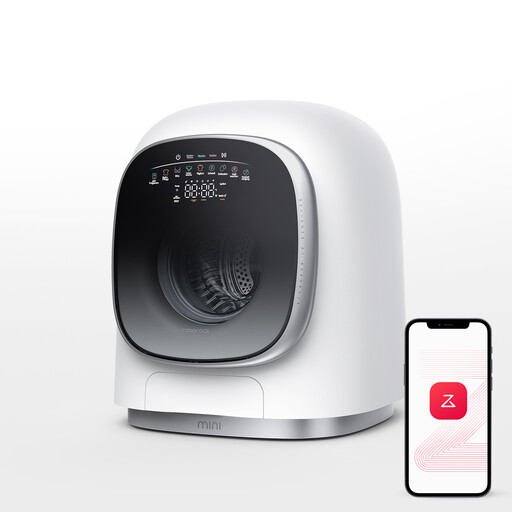 Image unavailable
If you want to wash and dry very small loads, the stated washing capacity of 1 kg and drying capacity of 0.5 kg are key considerations. The product name also mentions Zeo-Cycle drying technology.
Its capacity is limited to small loads; only choose machine drying if the care label allows it.
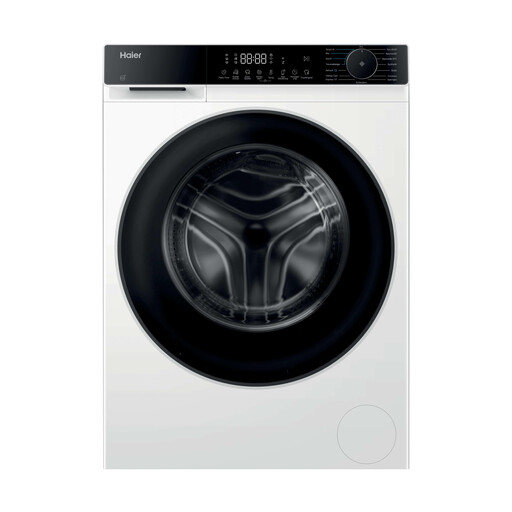 Image unavailable
An option if you want to use both functions in one appliance. The product name lists a washing capacity of 12 kg and drying capacity of 8 kg, 14 programmes, steam care and AquaStop.
The energy ratings differ: class A-20% for washing and class D for washing and drying. Check the dress’s care label before drying it.
No. The washing and drying symbols answer different questions. If the care label rules out machine drying, choose a permitted drying method after washing; a delicates programme doesn’t change the care instructions.
The Verbraucherzentrale recommends ventilating and heating your flat adequately when drying clothes indoors. Don’t leave wet laundry in the machine for long, and wipe the seal grooves and detergent drawer after washing. The Verbraucherzentrale also recommends leaving the appliance door open at first and cleaning the lint filter regularly.
Compare the figures for washing alone with those for a full wash-and-dry cycle, making sure you look at the relevant operating mode in each case. The Verbraucherzentrale points out that a washer-dryer uses more electricity and water than a washing machine and separate tumble dryer.
The European Commission states that the EU energy label for household washer-dryers uses a scale from A to G, in place since 1 March 2021. When comparing models, you should also distinguish between the consumption figures for washing and those for a full wash-and-dry cycle.