Who is a washer-dryer worth it for?

Households without space to dry laundry

If you have room for one appliance, but nowhere for a drying rack or a separate tumble dryer, a washer-dryer combines washing and drying in the same footprint. Check that the appliance, door and connections will all fit in the space available. The Verbraucherzentrale highlights the space-saving benefit of washer-dryers.

Households that need to dry laundry regularly

If you often need socks and other laundry to be dry straight after washing, drying capacity and the time taken to complete the full cycle matter. The Verbraucherzentrale points out that a washer-dryer can often only dry part of a wash load. The European Commission lists cycle duration and consumption as information shown on the energy label.

Households keeping an eye on running costs

If you can hang your laundry up to dry and don’t always need a drying cycle, compare the figures for washing alone and for washing and drying separately. The Verbraucherzentrale and the Umweltbundesamt also recommend considering air-drying as an option.

What should you look for when buying?

Washer-dryer

A good fit if: Your small flat has neither a suitable place to dry laundry nor room for a second appliance.

The trade-off: Drying capacity may be lower than washing capacity, so compare the full cycle and plan around the lower figure.

Washing machine with air-drying

A good fit if: You have room for a drying rack or another suitable way to dry laundry, and don’t need to machine-dry it regularly.

The trade-off: You avoid using electricity for a drying cycle, but you’ll need space and time to dry your laundry. The Umweltbundesamt lists drying racks and washing lines as energy-efficient ways to dry clothes.

Washing machine and separate tumble dryer

A good fit if: You have enough room and regularly need to machine-dry larger loads.

The trade-off: Two appliances need more space. The Verbraucherzentrale considers their electricity and water consumption more favourable than that of typical washer-dryers. Your decision should be based on the specific models and how you’ll use them.

What matters when buying What to check Who is this especially important for?
Space and installation Check the height, width and depth against the space available; allow for the door opening and water, drain and electricity connections. If there’s room for only one appliance in your small flat, it needs to fit in the space with its door and connections. Around 29 % of consumers prioritise finding an appliance that fits.
Drying socks without transferring the load Check washing and drying capacities separately, and factor in the time taken for the full cycle. If you want your socks to be dry after washing without transferring them to another appliance, the lower drying capacity is the key figure. Around 22 % of consumers prioritise being able to dry laundry straight away.
Electricity and water consumption Compare the EU label figures for both operating modes separately, and consider them in light of how you expect to use the appliance. If you can hang your laundry up to dry and want to weigh up running costs, the drying-cycle figures are especially relevant. Around 21 % of consumers prioritise running costs.
Caring for cotton socks Check the wash symbol, maximum recommended temperature and tumble-drying symbol on each pair of socks. If caring for your socks matters more than having an automatic drying cycle, choose the programme and temperature according to the label. Around 14 % of consumers put this first.
Noise in your home Check the stated noise level during the spin cycle, and don’t assume it applies to other programmes. If the machine is near where you spend time, its stated spin-cycle noise level could influence your decision. Around 14 % of consumers prioritise noise levels where the appliance will be installed.

Common buying mistakes

  • Looking only at washing capacity

    A full wash-and-dry cycle may dry less laundry than the washing capacity might initially suggest.

    Compare the kilogram figures for both operating modes on the same model. If you want your socks to come out dry, plan around the drying capacity.

  • Assuming the washing efficiency rating applies to the full cycle

    The EU label distinguishes between washing alone and washing and drying. So a figure for washing mode alone won’t tell you the cost of a full cycle.

    Compare consumption per 100 cycles for the same operating mode, and consider how often you actually want to dry your laundry.

  • Assuming cotton is always suitable for tumble-drying

    The fabric alone doesn’t tell you whether a particular pair of socks can be machine-dried.

    Before running your first wash-and-dry cycle, check the washing and tumble-drying symbols on the care label.

  • Forgetting to check dimensions and consider air-drying

    A washer-dryer will only solve a space problem if it can actually be installed with all the necessary connections. It’s not automatically the right choice if a drying rack would do the job.

    Measure the space available and decide whether you need to machine-dry your socks regularly.

Brands and models at a glance

Haier

For its freestanding HWD80-BP14637T model, Haier lists an 8 kg washing capacity and a 5 kg drying capacity, with dimensions of 595 × 507 × 850 mm (W × D × H).

  • The stated depth is a useful point of comparison when space is tight.
  • The appliance depth alone doesn’t confirm that the appliance and connections will fit in a 507-mm recess. The washing efficiency rating doesn’t automatically apply to the full cycle. Information from Haier Deutschland.

AEG

For its 7000 Series L7WBA60680 model, AEG lists an 8 kg washing capacity, a 5 kg drying capacity and a refresh programme.

  • AEG states consumption of 265 kWh per 100 wash-and-dry cycles and 47 kWh per 100 washing-only cycles.
  • The refresh programme isn’t automatically a substitute for washing dirty socks. These consumption figures are provided by the manufacturer and aren’t an independent comparison of performance.

LG

For its W4WR7096YB model, LG lists a 9 kg washing capacity and a 6 kg drying capacity.

  • The two capacity figures make it easier to check whether the model matches your planned washing and drying needs.
  • The manufacturer’s claims about fibre protection for other named models don’t demonstrate a measured benefit for this model or for cotton socks. Information from LG Deutschland.

Bosch

For its WNC244070 model, Bosch lists a 9 kg washing capacity and a 6 kg wash-and-dry capacity.

  • Bosch gives dimensions of 848 × 598 × 622 mm and a noise level of 70 dB(A) for this model. You can compare its depth and noise level with the conditions where you plan to install it.
  • These details apply to this model and can’t be assumed to apply to other Bosch appliances.

Siemens

According to Siemens, the built-in WK14D490 model is designed for a suitable fitted space and offers an 8 kg washing capacity and a 5 kg wash-and-dry capacity.

  • Siemens gives appliance dimensions of 820 × 596 × 525 mm as a specific guide for planning.
  • These dimensions alone don’t confirm that the appliance will fit a particular recess or meet the installation requirements. Information from Siemens Hausgeräte Deutschland.

Washer-dryers at Joybuy

This selection includes washer-dryers with different capacities and designs. Compare each appliance’s dimensions and drying capacity with your available space and how much laundry you need to take out dry.

LG WT1210WWF washer-dryer

LG WT1210WWF washer-dryer, 12 kg washing / 10 kg drying

The stated drying capacity is important when checking whether the appliance can dry the amount of laundry you want in one go.

12 kg washing and 10 kg drying capacity; Dual-Inverter heat-pump drying. Appliance dimensions: 85 × 60 × 66 cm.

View at Joybuy
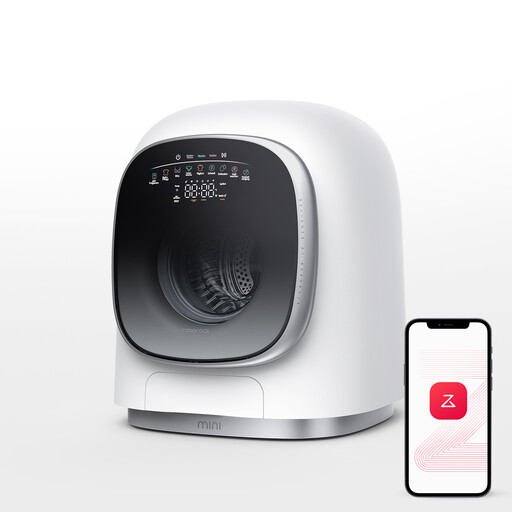
Roborock Zeo Mini washer-dryer

Roborock Zeo Mini washer-dryer, 1 kg washing / 0.5 kg drying

Its stated capacity is limited to very small loads, so check that it meets your actual needs.

1 kg washing and 0.5 kg drying capacity; low-temperature Zeo-cycle drying.

View at Joybuy
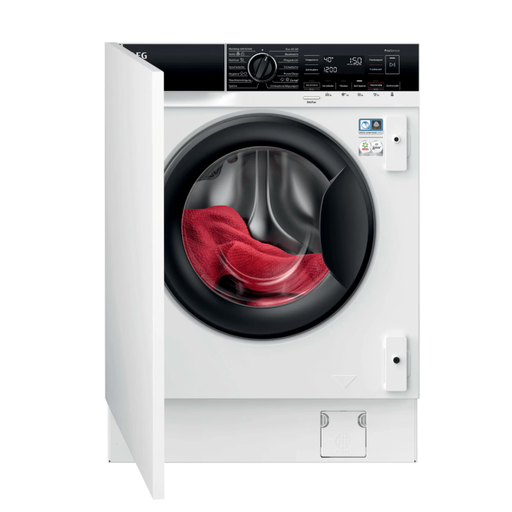
AEG LWR8WI7680 built-in washer-dryer

AEG LWR8WI7680 built-in washer-dryer, 8 kg washing / 4 kg drying

This built-in appliance is only suitable for a compatible installation. Check the recess and installation requirements before choosing it.

8 kg washing and 4 kg drying capacity; appliance dimensions: 819 × 596 × 553 mm.

View at Joybuy
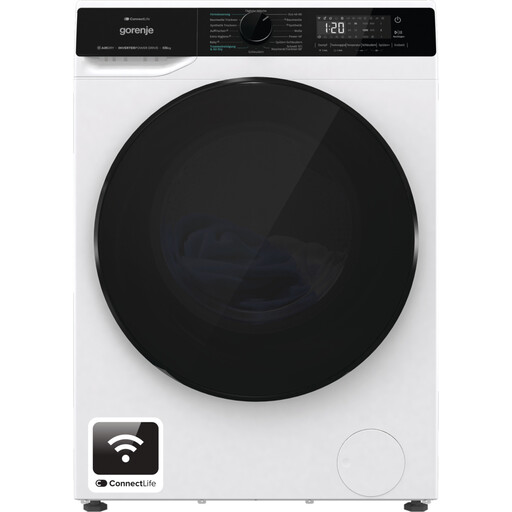
Gorenje WD2PA854ADW washer-dryer

Gorenje WD2PA854ADW washer-dryer, 8 kg washing / 5 kg drying

As a freestanding appliance, this model can be compared with the space you have available. Bear in mind its lower drying capacity.

8 kg washing and 5 kg wash-and-dry capacity; appliance dimensions: 59.5 × 84.5 × 51 cm.

View at Joybuy
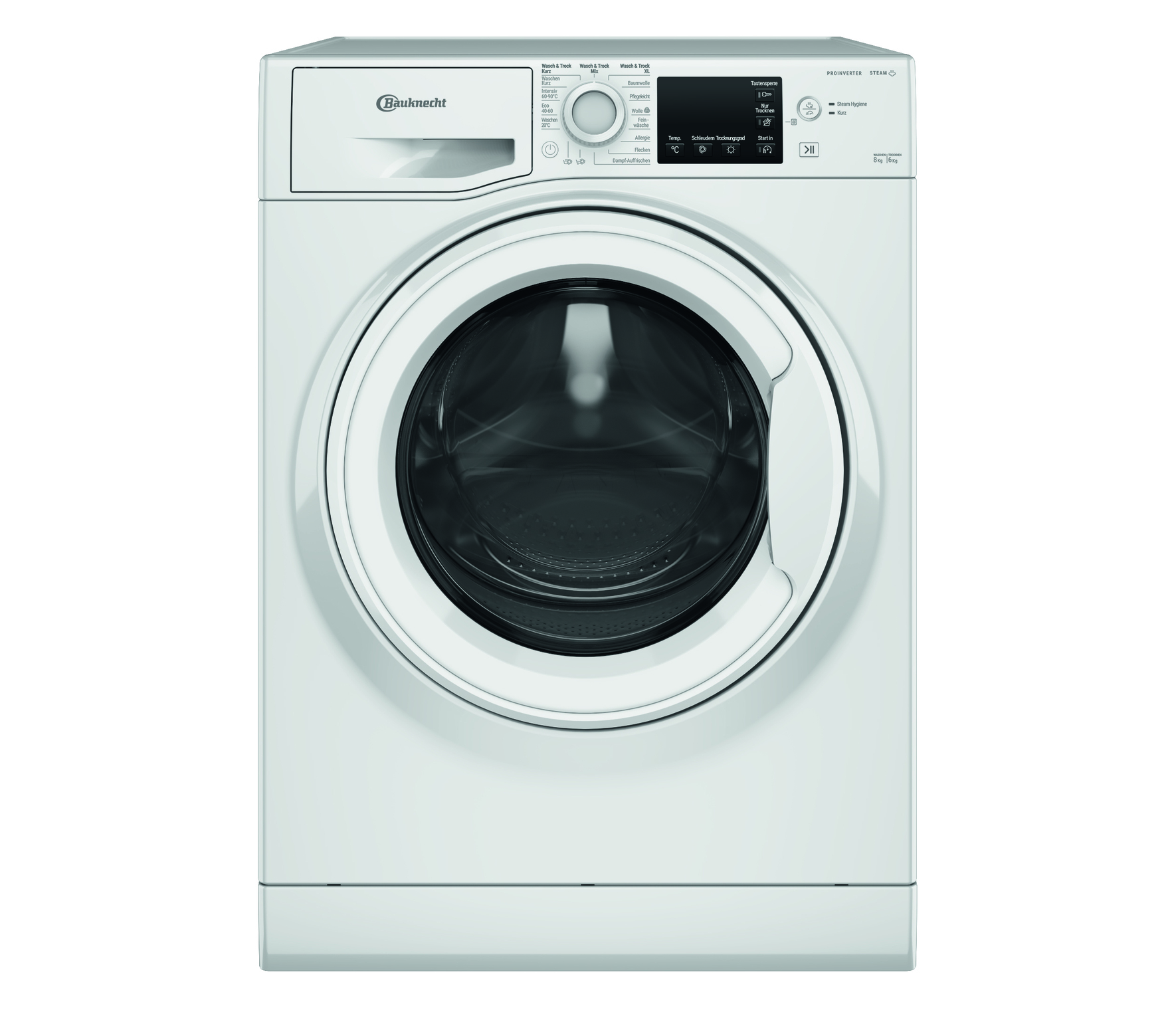
Bauknecht WD Eco Shield 8614 D washer-dryer

Bauknecht WD Eco Shield 8614 D washer-dryer, 8 kg washing / 6 kg drying

Compare the drying capacity with the amount of laundry you want to dry straight after washing, and check the dimensions against your available space.

8 kg washing and 6 kg drying capacity; appliance dimensions: 85 × 59.5 × 54 cm.

View at Joybuy

Frequently asked questions

Can cotton socks automatically go in the washer-dryer after washing?

Only if the tumble-drying symbol on the care label allows machine-drying. The symbols and their meanings can help you check the right drying method for each pair of socks.

Is a 60-degree programme always enough for cotton socks?

No. The number in the wash symbol shows the maximum recommended washing temperature for that particular textile. Choose the programme and detergent based on how soiled the socks are and the size of the load, too. ‘eco 40-60’ isn’t a general care instruction for every pair of socks.

What should I check before using the appliance for the first time?

Check the dimensions and installation instructions for your specific model against the available space, door opening, and electricity, water and drainage connections. Bosch lists removing the transit bolts, connecting and levelling the appliance as installation steps. Check the details for the model you actually buy.

How can I prevent smells when doing laundry frequently?

Don’t leave wet laundry in the machine for too long, and wipe the seal and detergent drawer after washing. The Verbraucherzentrale also recommends leaving the machine open to dry out and following the appliance’s cleaning instructions.

Which consumption figures should I compare when buying?

Compare the label figures for washing-only cycles and complete wash-and-dry cycles separately. Also consider water consumption, the duration of each cycle and how often you plan to dry your laundry. The European Commission lists these details for washer-dryers.