Households without space to dry clothes
If there’s barely room for a clothes airer beside the appliance, the footprint, connections and smaller drying capacity are all important things to consider.


A washer-dryer could be a good fit if there’s room for just one appliance in your small laundry nook and few suitable places to dry clothes. The key things to check are its actual drying capacity and the full installation dimensions. If you can air-dry your underwear easily, a washing machine should be enough; if you often have larger loads to dry and have the space, separate appliances are another option. The consumer advice centre points out that washer-dryers use more electricity and water than a separate washing machine and tumble dryer. For hygienic laundry, the care label and the right wash cycle matter more than a promoted steam programme.
If there’s barely room for a clothes airer beside the appliance, the footprint, connections and smaller drying capacity are all important things to consider.
If you regularly wash cotton underwear, match the care label, temperature and wash cycle rather than treating a steam feature as proof of hygiene. The German Environment Agency recommends washing underwear at 40 or 60 °C for hygiene reasons.
If you often need your laundry to come out dry, consider the capacity and duration of the complete wash-and-dry cycle, as well as whether you have room for two separate appliances. The consumer advice centre recommends choosing an appliance size to suit your household.
A good fit if: there’s only room for one appliance and little space to hang clothes. Check the alcove, connections, door opening and drying capacity of the specific model.
The trade-off: drying capacity is lower than washing capacity. Also compare energy and water use, and the duration of the complete cycle.
A good fit if: you have a suitable place to dry clothes and don’t need to use a machine to dry your underwear.
The trade-off: there’s no machine-drying stage, but air-drying takes up space and time.
A good fit if: you often machine-dry larger loads and have room for both appliances.
The trade-off: two appliances need more floor or stacking space. The consumer advice centre says washer-dryers use more electricity and water than separate appliances; still compare the figures for the models you’re considering.
| Concern | What to check when buying | Who is it most relevant to? |
|---|---|---|
| Will the appliance fit? | Compare the external dimensions, hoses, door opening and clearance for use with the installation instructions for the specific model. | If the alcove is a tight fit, there also needs to be room for the connections and the open door. Around 33% of consumers focus mainly on available space. |
| Laundry hygiene | Follow the care label and permitted temperature; a steam feature alone does not prove a disinfecting effect. | If you wash cotton underwear, you’ll want to match the care instructions with the right wash cycle. Around 27% of consumers put laundry hygiene first. |
| Drying cycle | Match the load you want to dry to the drying capacity, and check the duration of the complete wash-and-dry cycle. | If you need your laundry to come out dry, the full cycle matters more than the duration of a short wash programme. Around 20% of consumers prioritise drying performance. |
| Running costs | On the EU energy label, compare energy use per 100 cycles, water use per cycle, and the figures for washing and for washing and drying separately. | If you machine-dry most of your laundry or do so regularly, you’ll want to estimate consumption based on how you use the appliance. Around 20% of consumers focus mainly on electricity and water use. |
The EU energy label shows, among other things, energy use per 100 cycles, water use per cycle and cycle duration. The European Commission explains these figures for washer-dryers.
On washer-dryers, drying capacity can be lower than washing capacity. You may need to split a full wash load into smaller drying loads.
Check both capacity figures and plan for the amount you actually want to machine-dry.
Extra drying cycles take time and keep the appliance occupied for longer.
LG’s advertised 39 minutes for the W4WR7096YB model applies to washing a half load, not to washing and drying together.
If you need your laundry to come out dry, check the duration of the complete wash-and-dry programme for the specific model.
A separate drying stage may be needed after washing, adding extra time.
The consumer advice centre says washer-dryers use more electricity and water than separate appliances. Actual model figures and how often you use the appliance still matter when comparing options.
Compare the stated figures for the wash and drying cycles you actually use.
The external dimensions alone don’t account for connections, door opening or the manufacturer’s installation requirements.
Measure the space and check the instructions for the exact model before ordering.
The freestanding G3 HWD80-BP14637T comes with specific dimensions and capacity figures to check against a narrow laundry nook.
The W4WR7096YB is an option for households looking for a combined wash-and-dry cycle and a cottons programme.
The Series 8 WNC244070 has documented external dimensions and capacities that you can check against a single appliance space.
The Series 9000 L9WEF80690 is a heat-pump option, provided its full dimensions suit your installation space.
The following Joybuy products are washer-dryers with a range of capacities. If you’re looking for one for a small laundry nook, pay particular attention to the full installation dimensions and drying capacity.
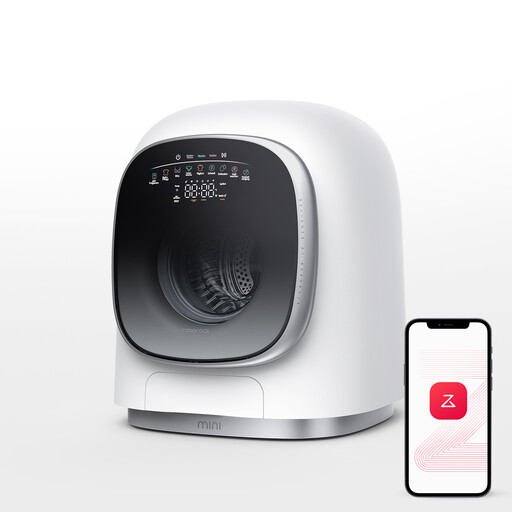 No image available
For small loads of cotton underwear when you’re looking for a compact washer-dryer.
1 kg washing capacity and 0,5 kg drying capacity; low-temperature drying.
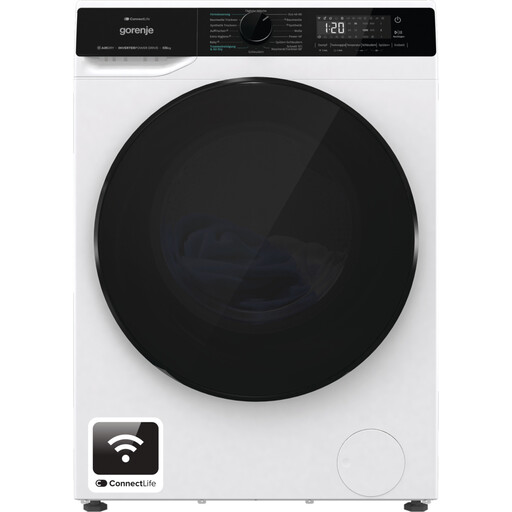 No image available
For combined washing and drying, provided the full appliance and connection dimensions fit your laundry nook.
The product name lists an 8 kg washing capacity and 16 programmes. Drying capacity is lower than washing capacity, so bear this in mind when planning loads.
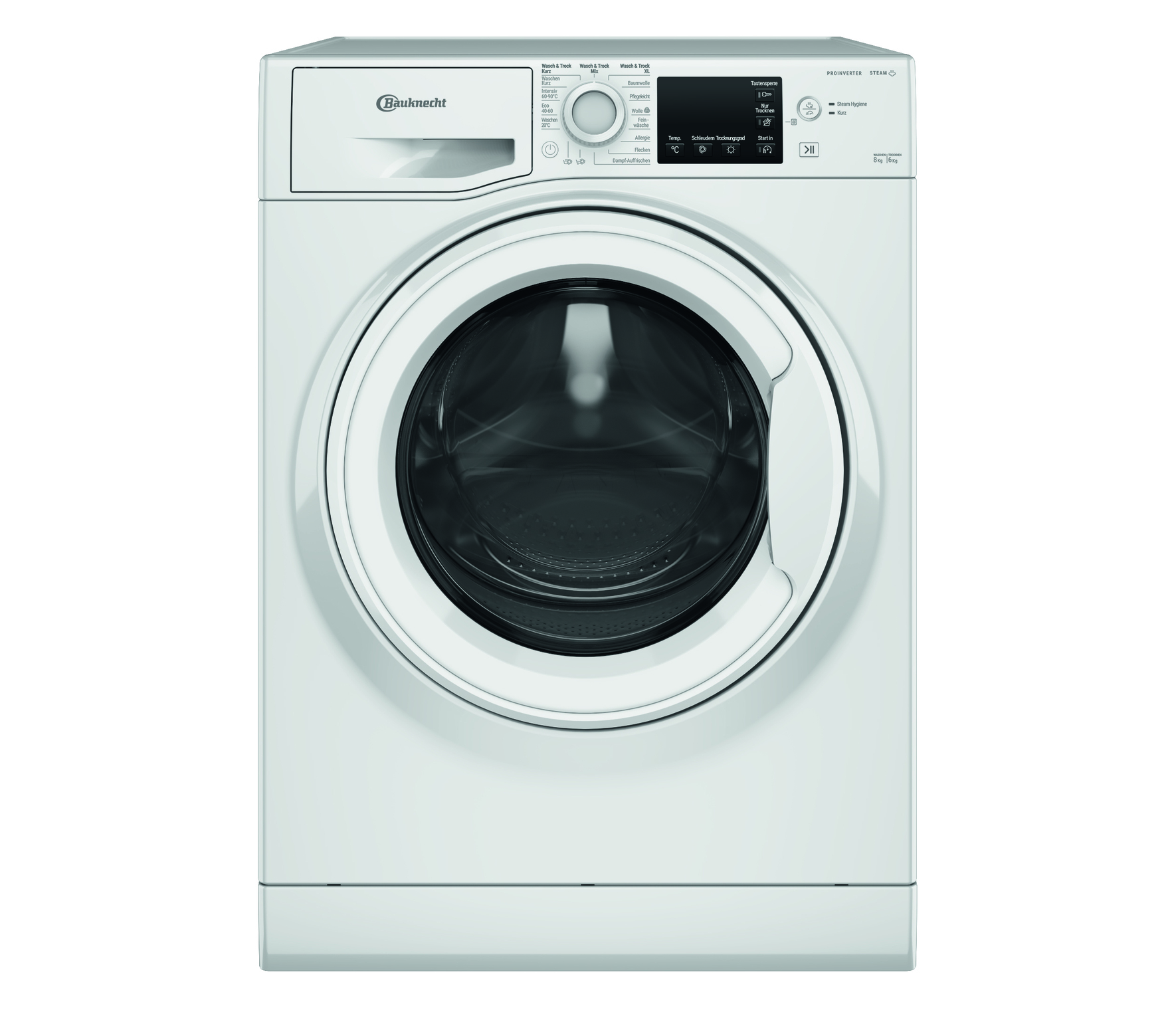 No image available
An option for households with enough space for the stated depth of 54 cm.
The product name lists an 8 kg washing capacity, a 6 kg drying capacity and an appliance depth of 54 cm. Also check the connections and clearance required for installation.
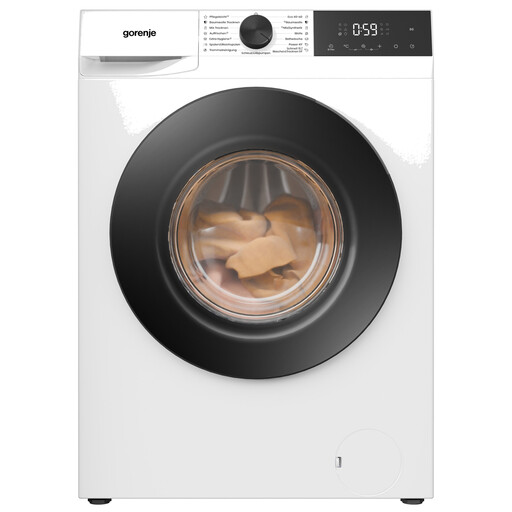 No image available
For households that need the capacity stated in the product name and can check the available space carefully in advance.
11 kg washing capacity and 7 kg drying capacity; white. The stated depth is 59 cm.
 No image available
For larger washing and drying loads, provided a model with the stated capacities suits your available space.
12 kg washing capacity and 10 kg drying capacity; Dual Inverter heat pump. The stated appliance depth is 66 cm.
No. Routine disinfection isn’t necessary in a healthy home. The German Environment Agency recommends washing underwear at 40 or 60 °C for hygiene reasons; always check the care label too. Different considerations may apply if someone has a weakened immune system.
Compare washing and the complete wash-and-dry cycle separately. The EU label includes energy use per 100 cycles, water use per cycle and cycle duration, among other figures. The most relevant figures depend on how you use the appliance.
This can be a space-saving option if the space, appliances and stacking kit are all compatible. Bosch describes its stacking kit for compatible appliances and sets out specific requirements; this doesn’t mean that any two models can be stacked together.
Before buying, check the installation instructions for the specific model, including dimensions, connections and clearance. The German Environment Agency recommends running a 60 °C wash occasionally to prevent bacterial build-up in the machine; only wash textiles at a temperature permitted by their care label.
Under EU consumer law, purchases from a trader come with a statutory guarantee of at least two years from the date you receive the goods. The seller is generally responsible for faults; an additional manufacturer’s guarantee does not replace your statutory rights.