Homes with a small laundry nook
If there’s room for just one appliance, remember to allow space for the connections and the open door as well as the machine itself.


A washer-dryer may be a good fit if there’s only room for one appliance in your small laundry nook and the care label says your pillowcases can be tumble-dried. Before buying, measure the space, including the connections and room for the door to open, and compare the drying capacity and energy and water use for a full wash-and-dry cycle. If you can usually air-dry your pillowcases, the combined function may be less appealing because it can use more resources.
If there’s room for just one appliance, remember to allow space for the connections and the open door as well as the machine itself.
If you want to dry your pillowcases straight after washing, drying capacity is key – it may be lower than the washing capacity.
If you can often air-dry your laundry, it’s worth considering how often you’ll really need a complete wash-and-dry cycle.
A good fit if: there’s room for only one appliance and the care label says your pillowcases can be tumble-dried.
The trade-off: The maximum drying load is smaller than the washing load. The Verbraucherzentrale notes that washer-dryers use more electricity and water than separate appliances.
A good fit if: you have a suitable place to hang your laundry and don’t need to dry your pillowcases in the machine straight away.
The trade-off: Hanging laundry takes time and space. If you dry it indoors, the German Environment Agency recommends ventilating the room as well.
A good fit if: you have space for both appliances and regularly dry larger loads of laundry.
The trade-off: You’ll need more floor space and will have to move the laundry from one appliance to the other.
| Priority | What to check before buying | Who is it important to? |
|---|---|---|
| Fitting into your laundry nook | Measure the space, connections and clearance for the open door. Haier Germany lists the HWD80-B14979 as 595 × 548 × 850 mm (W × D × H); Bosch Home Appliances Germany gives the WNG24442 dimensions as 848 × 598 × 590 mm (H × W × D). | If your laundry nook is tight on space, first check that the appliance and connections will fit and that the door can open. Around 36% of consumers put fit first. |
| Drying without moving the laundry | Check the drying symbol on the pillowcase and the capacity for a complete wash-and-dry cycle. Bosch Home Appliances Germany lists a 9 kg washing capacity and a 6 kg wash-and-dry capacity for the WNG24442. | If you want to dry your pillowcases straight after washing, base your load on the lower drying capacity. Around 29% of consumers say being able to dry laundry straight away is their main priority. |
| Electricity and water use | On the EU energy label, compare the same operating mode: the wash cycle alone or the full wash-and-dry cycle. The European Commission lists separate figures for washer-dryers. | If you usually air-dry your laundry, you can give more weight to the figures for washing alone. Running costs are the top priority for around 21% of consumers. |
| Care suited to your fabrics | Match the care label to the available washing and drying programmes. The Verbraucherzentrale and Forum Waschen recommend following the care instructions on the textile. | If you care for different types of pillowcases, you’ll want to choose programmes that suit their labels rather than deciding based on a feature advertised for the appliance. Around 14% of consumers prioritise suitable fabric care. |
The amount you can wash isn’t necessarily the amount the machine can then dry. The Bosch WNG24442 has a 9 kg washing capacity, compared with 6 kg for washing and drying.
Compare your planned load with the stated drying capacity and the instructions for the programme you choose.
If your load is larger than the drying capacity, you’ll need to dry some of it separately.
The appliance dimensions alone won’t tell you whether there’s enough space for the connections and open door in a small laundry nook.
Measure the space, the route for the connections and the door swing, then check these against the specifications for the exact model.
If the appliance won’t fit where you planned, you may need to find another place for it or choose a different model.
The Haier HWD80-B14979 has an A rating for washing, but a D rating for the combined wash-and-dry cycle.
Compare figures for the same operating mode and consider how often you’ll actually use the machine to dry laundry.
If you look only at the washing figure, you could underestimate the resources needed for a complete cycle.
Haier Germany lists the HWD80-B14979 washer-dryer with an 8 kg washing capacity, a 5 kg drying capacity and dimensions of 595 × 548 × 850 mm (W × D × H).
According to Bauknecht Germany, the WATK Sense 86S 41 N combines an 8 kg washing capacity with a 6 kg drying capacity and has a stated depth of 54.0 cm.
Bosch Home Appliances Germany lists the WNG24442 with a 9 kg washing capacity, a 6 kg wash-and-dry capacity and dimensions of 848 × 598 × 590 mm (H × W × D).
LG Germany lists the W4WR7096YB with a 9 kg washing capacity, a 6 kg drying capacity, 1,360 rpm and energy ratings of D/A.
Miele Germany lists the WTD160 WCS with an 8 kg washing capacity, a 5 kg drying capacity and dimensions of 850 × 596 × 637 mm (H × W × D).
The Joybuy products below are washer-dryers that wash and then dry your laundry in one appliance. Check that their capacities and installation dimensions suit your load and the space available.
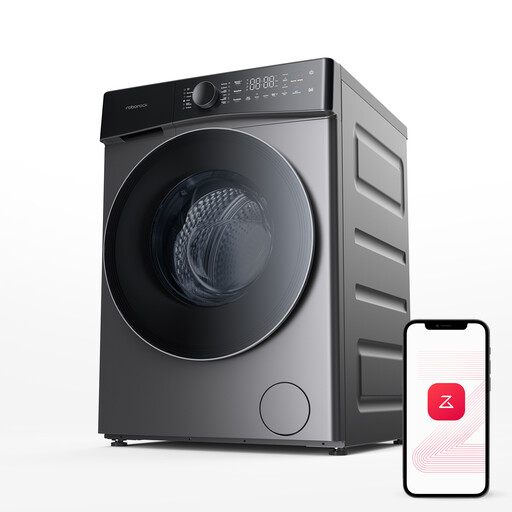 No product image available
For anyone looking to wash and dry laundry in one appliance. Bear in mind the lower drying capacity when planning a complete cycle.
10 kg washing and 6 kg drying capacity; Zeo-Cycle drying; self-cleaning LintClear lint system; energy class E.
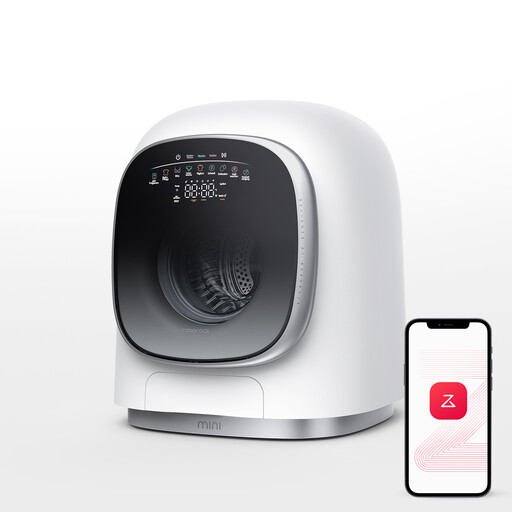 No product image available
For very small loads in one appliance. Its limited capacity needs to suit the size of your actual load.
1 kg washing and 0.5 kg drying capacity; low-temperature drying; self-cleaning LintClear lint system; more than 20 washing and drying programmes; energy class A.
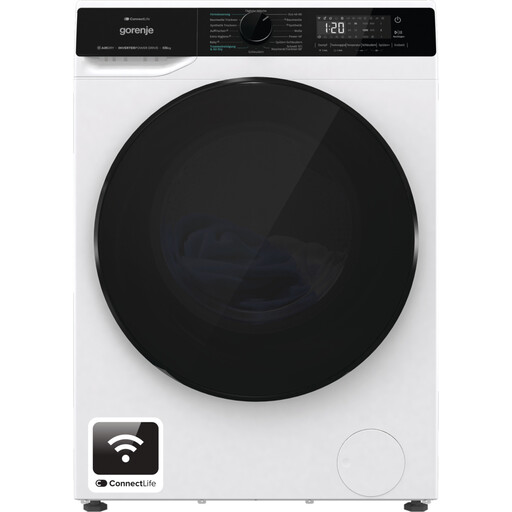 No product image available
An option if you want to combine washing and drying. Check the dimensions listed in the product details against your available space, connections and door clearance.
8 kg; 54 litres; 1,400 rpm; a 5 kg capacity is stated for a complete wash-and-dry cycle.
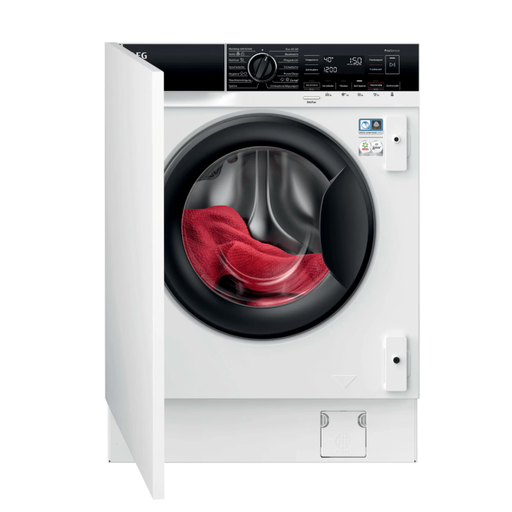 No product image available
For anyone considering a built-in washer-dryer beneath a worktop. Before choosing, check the required niche height at the installation location.
8 kg washing and 4 kg drying capacity; 1,600 rpm; energy ratings A/D.
 No product image available
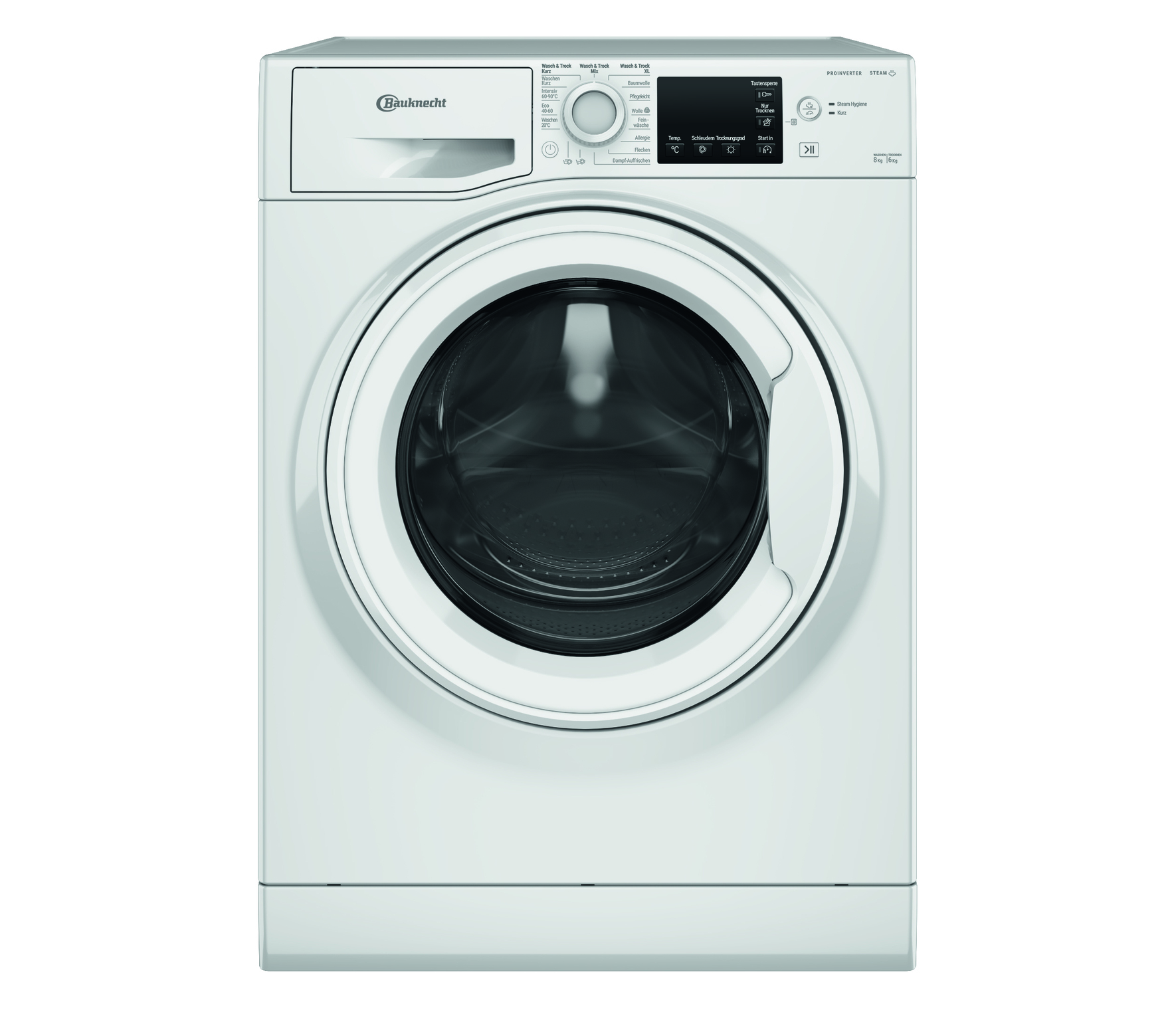
For anyone looking for a washer-dryer with a larger drying capacity than an 8/5 kg model. Check that the appliance and connections will fit in your laundry nook.
8 kg washing and 6 kg drying capacity; 1,400 rpm; energy class D.
No. Follow the care label on each pillowcase and choose a suitable drying programme. For a complete cycle, you’ll also need to account for the lower drying capacity – or wash-and-dry capacity – of the specific appliance.
Measure the available space and check the height, width and depth of the specific model, allowing for the connections and open door. The appliance dimensions alone don’t confirm that it will fit.
For a washer-dryer’s EU energy label, compare the washing-only mode separately from the full wash-and-dry cycle. The European Commission lists electricity use per 100 cycles and water use per cycle.
The German Environment Agency recommends drying laundry indoors only when necessary. If you do, make sure you ventilate the room more. This is advice to help prevent excess moisture, not a ban on air-drying.
Yes. The European Commission says the label must be clearly visible at the point of sale, including in online shops. It provides information about energy and consumption figures, but doesn’t tell you whether a particular model will fit in your laundry nook.