Households that often wash small loads
You often wash just a few towels and want to check whether the programme on a particular model is suitable for your load size and fabric type.


A washer-dryer can be handy if you often wash small towel loads, particularly when you have little space to hang them up and the specific programme is suitable for the load size and fabric type. Compare the washing and drying capacities, as well as the consumption figures for washing and for washing and drying, separately. If you can hang your towels up to dry, air-drying is the most energy-efficient drying method, according to the German Environment Agency.
You often wash just a few towels and want to check whether the programme on a particular model is suitable for your load size and fabric type.
You have limited space or can’t easily hang your towels up, so you’re weighing the convenience of a combined appliance against the extra energy used for machine drying.
You expect to run many cycles and want to compare the consumption figures for washing and for washing and drying separately, rather than relying on an energy-efficiency rating alone.
First, check whether the programme you’ve chosen covers your towel load. Then consider drying capacity, space requirements and consumption figures to help you decide between a combined appliance and air-drying.
| Consideration | What to check before buying | Who it matters most to |
|---|---|---|
| Suitable for small towel loads | Check the manual for the permitted load size, fabric types and functions of the small-load programme. | If I often wash just a few towels, I want to know whether this particular programme is designed for that. Around 36% of consumers focus mainly on suitability for small loads. |
| Drying when space is limited | Compare washing and drying capacities separately; check the appliance dimensions and type against the space where you plan to put it. | If I don’t have a suitable place to hang things up, a suitable automatic drying cycle matters to me. Around 29% of consumers focus on not having enough drying space. |
| Running costs | For the same models, compare the electricity and water figures for washing and for a complete wash-and-dry cycle. | If I run many cycles, I want to assess consumption based on how often I actually use machine drying. Around 21% of consumers focus primarily on running costs. |
| Towel hygiene | Follow the care label and choose a suitable wash programme; consider any specific circumstances separately. | If there’s a particular health concern, I want to wash the towels appropriately without automatically choosing a hot programme every time. Around 14% of consumers say hygiene is their main concern. |
For the Bosch WNA14491 washer-dryer, the manufacturer specifies a 9 kg washing capacity and a 5 kg capacity for washing and drying. So a full wash load won’t necessarily fit into a single wash-and-dry cycle.
Plan the combined cycle around the lower drying limit specified for the appliance.
Depending on the load, you may need to take some of the washing out before drying or plan for an additional drying cycle.
The German Environment Agency points out that quick programmes save time but aren’t automatically energy-efficient. What manufacturers say about short programmes also applies only to the specified models and programme settings.
Check the permitted load size and fabric type, and compare consumption figures only for the same type of cycle.
The product title for the Beko WDWI85141 describes it as freestanding, while the technical specifications list the model as built-in.
Before choosing, check the appliance type against the full specifications and installation instructions.
An appliance that isn’t the right type may require additional planning or installation work.
The German Environment Agency says that boiling or sanitising isn’t generally necessary in an ordinary household. A higher wash temperature can help reduce germs in the case of a contagious illness.
Choose the temperature based on the care label, how soiled the towels are and your specific hygiene needs.
Unnecessarily high wash temperatures increase energy consumption.
Model specifications range from automatic load sensing and quick programmes to heat-pump drying.
The WDWI85141 is described as having a Wash-&-Wear programme for small loads.
The WNA14491 has separate figures for washing capacity and combined wash-and-dry capacity.
Model specifications include a range of capacities and programmes for partial loads.
The WK14D490 is a built-in washer-dryer with a specified Wash-&-Dry-60' programme.
The washer-dryers below include models with heat-pump drying and a range of washing and drying capacities. For small towel loads, the permitted programme load and the drying limit are key.
 No image available
Could be worth considering if you want to wash and dry in one appliance; for small towel loads, check which programme is suitable and what its limits are.
The product name specifies Dual-Inverter heat-pump technology, a 12 kg washing capacity and a 10 kg drying capacity. The lower drying capacity applies to a complete wash-and-dry cycle.
 No image available
The separate capacity figures help you work out whether a towel load will fit within the limit for a combined cycle.
The product title specifies heat-pump drying, a 10 kg washing capacity and a 6 kg drying capacity. The lower drying capacity applies to washing and drying.
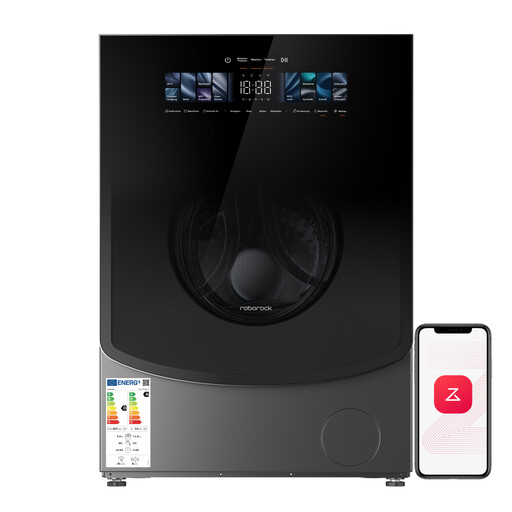 No image available
The capacity figures are a useful first check when you want to see whether your towels will fit into a combined cycle.
The product title specifies an 11 kg washing capacity, a 6 kg drying capacity and 27 programmes. The lower drying capacity applies to a complete wash-and-dry cycle.
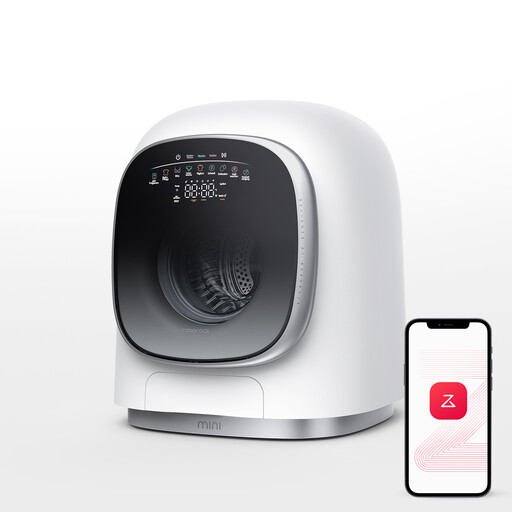 No image available
The very small capacity may only be suitable if your particular towel load is within the 0.5 kg drying limit.
The product title specifies a 1 kg washing capacity, a 0.5 kg drying capacity and more than 20 wash and dry programmes. Bear in mind the lower drying capacity for a combined cycle.
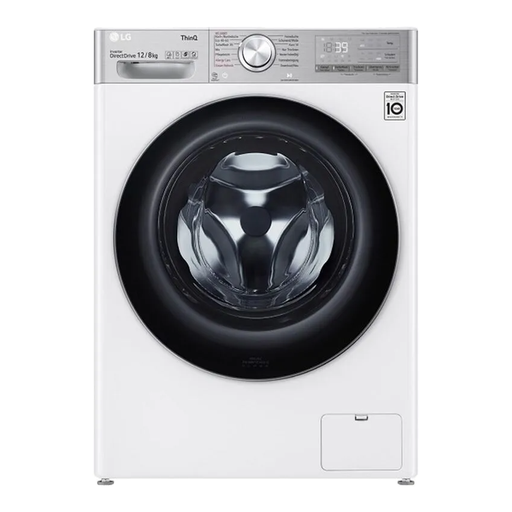 No image available
Could be an option if you’re looking for a combined appliance; before choosing, check the permitted drying capacity for your wash-and-dry cycle.
The product title specifies a capacity of 12 kg. Compare the washing and drying capacities for the exact model separately.
No. These timings are manufacturer specifications for particular models and programmes. Check the manual for the permitted load size and fabric type, and whether the stated time covers washing only or drying as well.
No. The German Environment Agency says that boiling or sanitising isn’t generally necessary in an ordinary household. Higher wash temperatures can help reduce germs in the case of a contagious illness; follow the care label and, if someone has a weakened immune system, ask a doctor about suitable measures.
Compare the figures for washing and for a complete wash-and-dry cycle separately. If you can hang the towels up to dry, you won’t need to use machine drying; however, Eco ratings can’t be directly applied to the consumption of a different small-load programme.
Check the appliance dimensions and type against the space you have in mind, and refer to the instructions for the specific model for connection and installation requirements. The dimensions and requirements for a built-in appliance can’t be applied to freestanding models.
New domestic washer-dryers are covered by EU energy labelling requirements. The European Commission describes a scale from A to G, in use since 1 March 2021; compare the figures for washing and for washing and drying on the same basis.