What should you look for when buying?
If drying space is limited, start by checking the care symbols and installation dimensions. Then compare the drying capacity and the figures for a complete wash-and-dry cycle.
| What matters to you |
What to check when buying |
Who should consider this? |
| Drying clothes without needing extra space |
Compare the appliance dimensions with the alcove and access route; consider the care symbols and drying capacity. |
If I don’t have a suitable place for a clothes airer, I want to check the installation requirements and whether a continuous wash-and-dry cycle will work for me. This is a priority for around 33% of consumers. |
| Caring for technical fabrics correctly |
Check the washing and drying symbols separately; compare the available programmes with the care label and appliance manual. |
When washing sportswear, I want to avoid mistaking permission to wash an item for permission to tumble-dry it. Fabric care is the top priority for around 27% of consumers. |
| Washing and drying sportswear in one go |
Compare the washing and drying capacities; size the load according to the lower drying capacity. |
If I want to wash and dry a load without splitting it, I’ll plan around the lower capacity. A continuous wash-and-dry cycle is a priority for around 20% of consumers. |
| Keeping an eye on energy and water use |
On the EU energy label, compare the figures for the complete wash-and-dry cycle separately from the washing figures. |
If I use the drying function frequently, I want to compare electricity and water figures on a like-for-like basis. Consumption is the top priority for around 20% of consumers. |
Washer-dryers at Joybuy
This selection includes washer-dryers for a combined wash-and-dry cycle when drying space is limited. When planning a load, be sure to check the drying capacity listed for each model.
 No image available
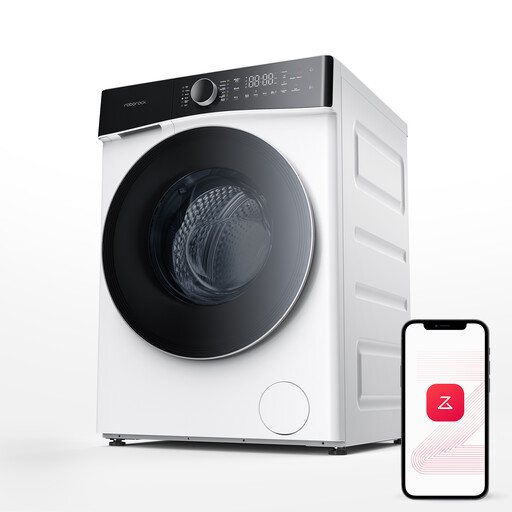
Roborock Zeo Lite White, 10 kg washing and 6 kg drying
For a continuous wash-and-dry cycle, the listed drying capacity of 6 kg is the key figure.
The product description mentions drying technology that uses gentler heat. Even so, check the care symbols on each item.
Washing capacity: 10 kg. Drying capacity: 6 kg. Energy efficiency class E.
Joybuy
 No image available
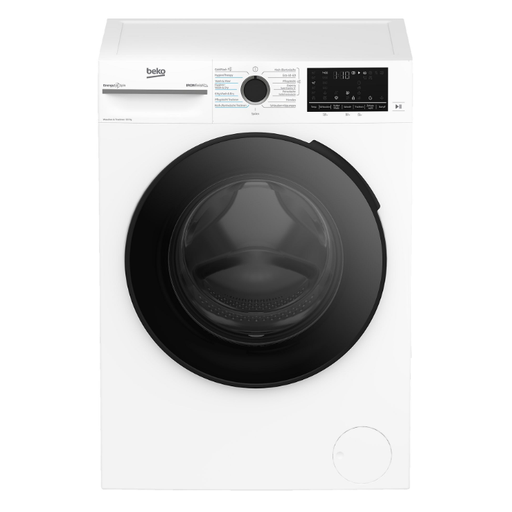
Beko BM3DT4944W, 9 kg washing and 6 kg drying
The listed drying capacity of 6 kg is the limit to bear in mind for a load you want to wash and dry without splitting it.
Washing capacity: 9 kg. Drying capacity: 6 kg. Listed features include 1400 rpm, SteamCure, ProSmart Inverter Motor and energy efficiency class D.
Joybuy
 No image available
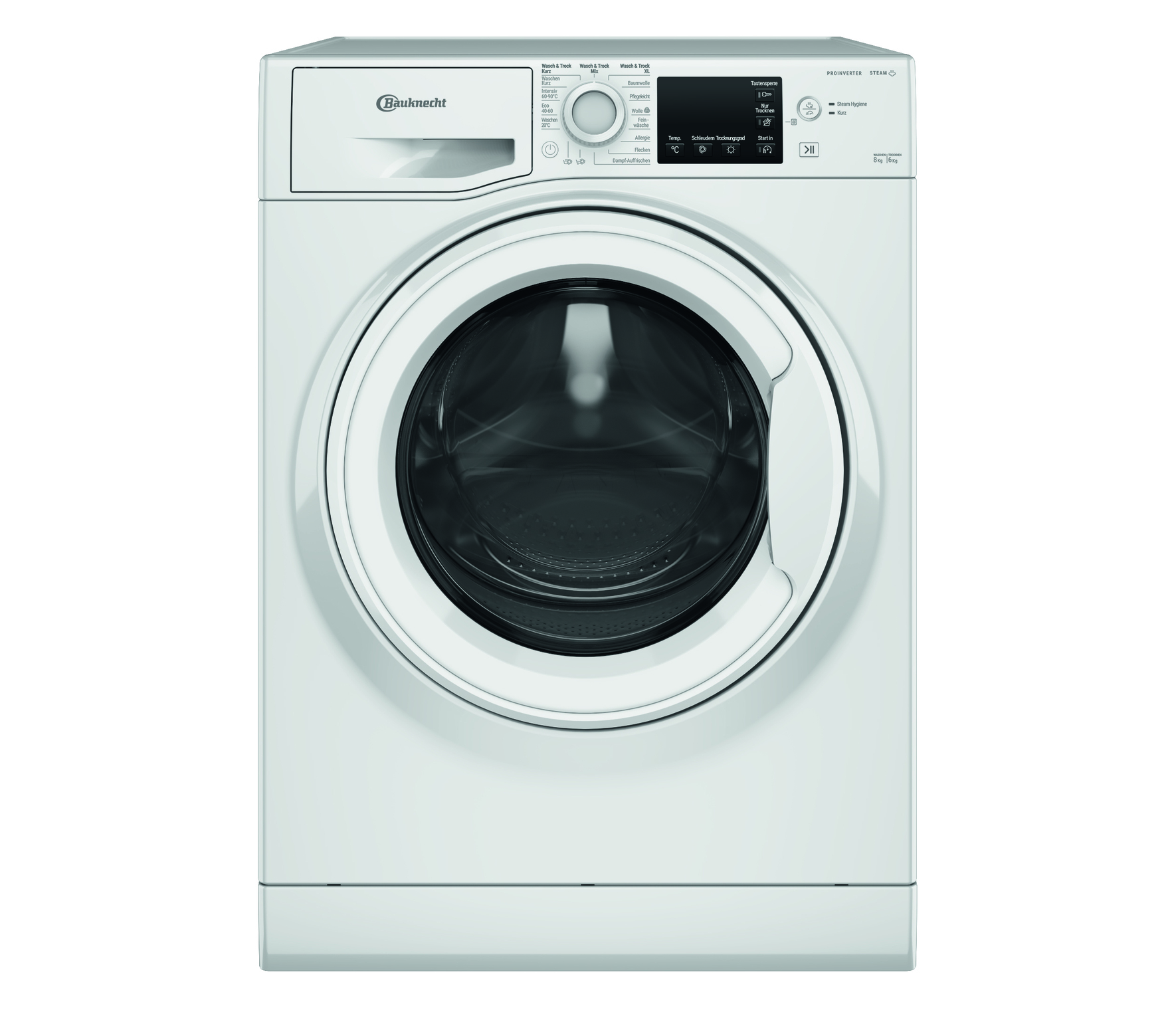
Bauknecht WD Eco Shield 8614 D, 8 kg washing and 6 kg drying
For a continuous wash-and-dry cycle, the listed drying capacity limits the suitable load to 6 kg.
Washing capacity: 8 kg. Drying capacity: 6 kg. Listed features include 1400 rpm and energy efficiency class D.
For a complete wash-and-dry cycle, the stated figures are 65 kWh per 100 cycles and 65 l of water per cycle.
Joybuy
 No image available
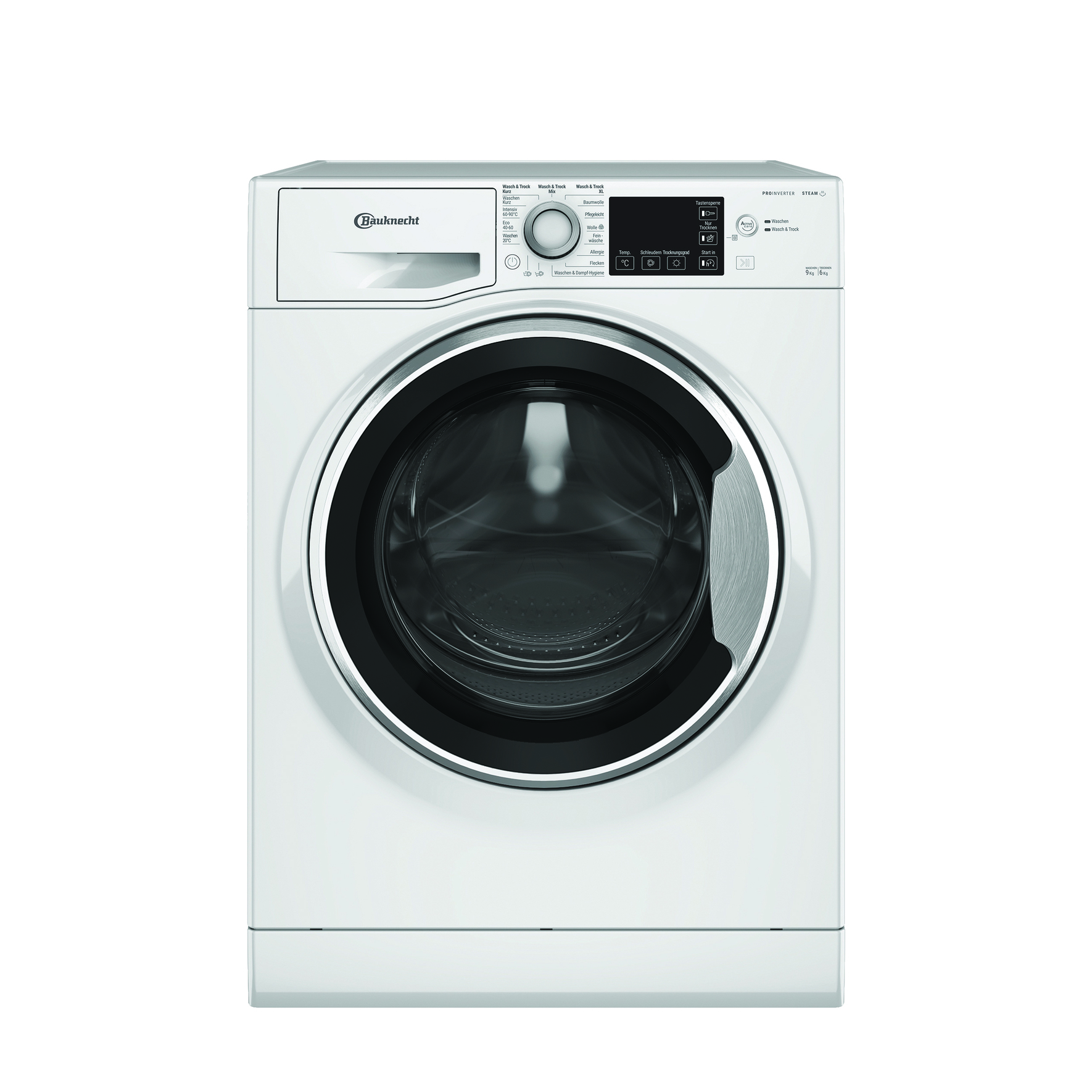
Bauknecht WADR ACTIVE 9614 D, 9 kg washing and 6 kg drying
The 6 kg drying capacity determines how much laundry you can plan for a combined wash-and-dry cycle.
Washing capacity: 9 kg. Drying capacity: 6 kg. Listed features include 1400 rpm and energy efficiency class D.
For the wash-and-dry cycle, the stated figures are 65 kWh per 100 cycles and 65 l of water per cycle. The stated programme duration with a full load is 9 hours 20 minutes.
Joybuy
Frequently asked questions
Can all washable sportswear go in a washer-dryer after washing?
No. Whether an item can be tumble-dried depends on the drying symbol on its care label. The symbols distinguish between normal drying, drying at a lower temperature and items that must not be tumble-dried. A sports wash programme doesn’t change the care instructions.
Which energy label figure matters if I use the drying function frequently?
Compare the figures for the complete wash-and-dry cycle, keeping them separate from the figures for washing alone. According to the EU energy label, the kWh figures are based on 100 cycles under the specified label conditions, not on every individual sports wash programme you choose.
What should I check before installing the appliance and drying clothes?
Measure the space where the appliance will go and the access route, then compare these measurements with the dimensions of the specific model. Sort sportswear according to its care symbols. If some items need to be air-dried indoors, make sure you remove the extra moisture by ventilating the room properly.
What should I do with my old washer-dryer?
Take old electrical equipment to an authorised collection point or a retailer that is required to accept it or offers a take-back service. Don’t put it in household rubbish. The Federal Ministry for the Environment notes that retailers’ obligations depend on specific legal requirements; arrange a home collection separately.


