A washer-dryer can be a practical space-saving solution if you don’t have room for a second appliance or much space to hang clothes. But it’s only suitable for dresses whose care labels allow tumble drying. Being washable doesn’t automatically mean an item is suitable for tumble drying; GINETEX Germany recommends following the care symbols on each garment. You should also compare washing and drying capacities, as well as the energy and water consumption for the way you’ll actually use the appliance. The German Consumer Advice Centre points out that washer-dryers use more electricity and water than separate washing machines and tumble dryers.
Who is a washer-dryer suitable for?
Households without a dedicated drying space
If you have little room for a clothes airer or a second appliance, a washer-dryer can save floor space. For summer dresses, the tumble-drying symbol is still the deciding factor. The German Consumer Advice Centre and GINETEX Germany explain the relevant space and garment-care considerations.
Owners of delicate summer dresses
If you want to follow the care instructions for your dresses, check the washing and drying symbols separately. A delicates programme doesn’t override a tumble-drying ban on the care label. GINETEX Germany explains what the care symbols mean.
Occasional users of the drying function
If you air-dry some laundry and only use the machine when you’re short of space or time, compare the figures for both modes with the way you plan to use the appliance. The German Consumer Advice Centre highlights the electricity and water consumption of washer-dryers compared with separate appliances.
What should you look for when buying?
First, check whether the care labels on your dresses allow tumble drying. Then consider the space available, usable drying capacity and the consumption figures for the programmes you’ll actually use.
Washer-dryer, complete wash-and-dry cycle
A good fit if: the dress can be tumble-dried and the load is within the programme’s drying capacity.
Consider: Drying capacity may be lower than washing capacity, so check both figures.
Wash, then air-dry
A good fit if: a dress isn’t suitable for tumble drying, or you occasionally have a suitable place to hang it or dry it flat.
Consider: The drying function won’t solve the space problem for these dresses, though it may still be useful for other suitable laundry.
Washing machine and separate drying solution
A good fit if: you have room for separate appliances or a practical place to put a clothes airer.
Consider: This option needs extra space for the appliances or for drying. The German Consumer Advice Centre notes that washer-dryers use more electricity and water than separate appliances.
| Priority |
What to check when buying |
Who is it important to? |
| Space requirements |
Appliance dimensions and installation location; check washing and drying capacities separately. |
If I don’t have space for a clothes airer or a second appliance, it’s important that the solution fits the space I have available. Around 31% of consumers put saving space first. |
| Garment care |
Check care labels and only consider suitable wash and dry programmes. |
For delicate summer dresses, I follow the tumble-drying symbol; a delicates programme doesn’t override a tumble-drying ban. Around 31% of consumers put protecting their clothes first. |
| Drying capacity |
Compare the capacities for washing and for a complete wash-and-dry cycle, as well as the load limit for the programme. |
If I want to dry a suitable load without splitting it, the lower drying capacity is what matters. Around 19% of consumers put throughput first. |
| Consumption |
Compare figures for the mode you’ll use and factor in how often you’ll tumble-dry. |
If I plan to use the drying function regularly, I compare the consumption figures for the full cycle, not just the wash. Around 19% of consumers put consumption first. |
Common buying mistakes
-
Assuming ‘washable’ means ‘suitable for tumble drying’
Washing and drying symbols give different care instructions. GINETEX Germany says you should follow any tumble-drying ban shown on the care label.
Before buying, check which of your summer dresses are labelled as suitable for tumble drying.
-
Comparing only the higher washing capacity
The machine may be able to wash a larger load than it can subsequently dry. For example, Bosch lists the WNG24442 as having a 9 kg washing capacity and a 6 kg capacity for washing and drying in one cycle.
Compare the capacity for the combined cycle and the load limit for the programme you’ve chosen. If you need to split the load, you may need an extra drying cycle.
-
Applying the washing efficiency rating to the full cycle
Wash-only and wash-and-dry are different modes. The European Commission sets out energy labelling and ecodesign requirements for washer-dryers.
Compare the figures for the mode you actually plan to use, and consider how often you’ll run a complete drying cycle.
Brands to consider
Bosch
Bosch lists the WNG24442 as a freestanding washer-dryer with separate capacity figures.
- Bosch lists the WNG24442 as having a 9 kg washing capacity, a 6 kg capacity for washing and drying in one cycle, and Auto Dry.
- These manufacturer specifications don’t prove that every summer dress is suitable for the appliance or its drying programmes.
AEG
The 7000 Series includes the L7WBA60680, a model that AEG also positions as suitable for delicate fabrics.
- AEG lists DualSense and a washing capacity of 8 kg, with a drying capacity of 5 kg, for this model.
- The manufacturer’s description doesn’t replace checking the care label and the conditions of the programme you choose.
LG
The LG W4WR7096YB is an example of a washer-dryer with separate washing and drying capacities.
- LG lists a washing capacity of 9 kg, a drying capacity of 6 kg and AI DD for this model.
- Manufacturer claims about drum movements or fabric care aren’t an independent comparison with other appliances.
Beko
Beko offers freestanding washer-dryers in different capacities, including the BM3DT4844W1.
- Beko lists a washing capacity of 8 kg and a drying capacity of 5 kg for the BM3DT4844W1.
- The brand’s description of the AquaWave drum doesn’t prove that a particular dress is suitable for tumble drying.
Suitable products at Joybuy
Here you’ll find washer-dryers and a stacked washing machine and tumble dryer combination for households looking to fit washing and drying into a limited space.
 No image available
LG WT1210EGF WashTower, 12 kg wash / 10 kg dry
For households looking to stack a washing machine and tumble dryer.
12 kg washing capacity and 10 kg drying capacity; heat pump tumble dryer; delicates programme; dimensions: 60 × 165,5 × 66 cm.
View at Joybuy
 No image available
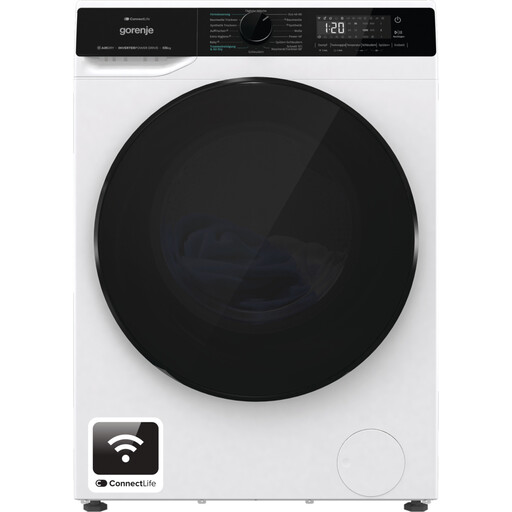
Gorenje WD2PA854ADW DE washer-dryer, 8 kg / 5 kg
For anyone looking to combine washing and drying in a freestanding appliance.
8 kg washing capacity and 5 kg drying capacity; 16 programmes; dimensions: 59,5 × 84,5 × 51 cm.
View at Joybuy
 No image available
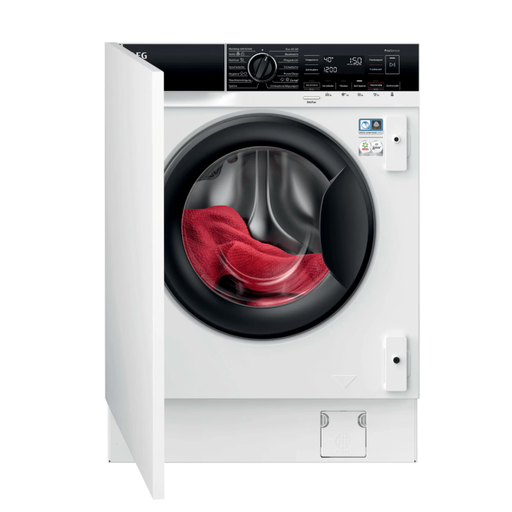
AEG LWR8WI7680 8000 PowerCare built-in washer-dryer, 8 kg / 4 kg
For an integrated space where washing and drying need to be handled by a single built-in appliance.
8 kg washing capacity and 4 kg drying capacity; 1600 rpm; designed for installation under worktops with a niche height of 82 cm or more.
View at Joybuy
 No image available
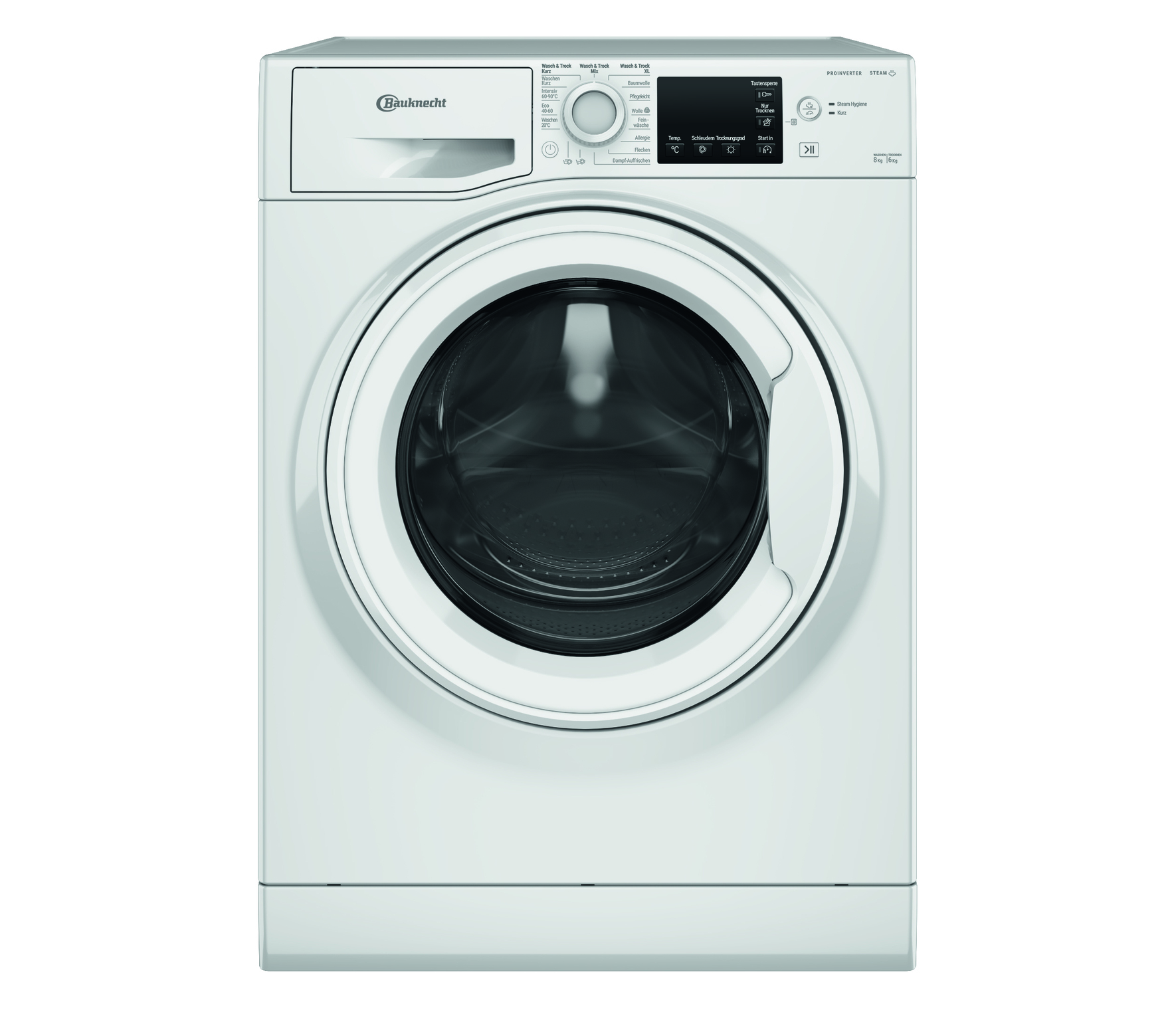
Bauknecht WD Eco Shield 8614 D washer-dryer, 8 kg / 6 kg
For anyone looking for a freestanding washer-dryer with separate washing and drying capacities.
8 kg washing capacity and 6 kg drying capacity; 1400 rpm. The full-load combined cycle is listed as taking 9 hours 20 minutes.
View at Joybuy
 No image available
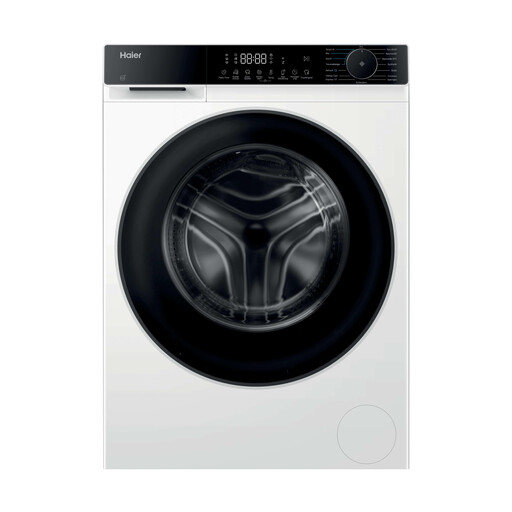
Haier X5 Series HWD120-BP14357U1 washer-dryer, 12 kg / 8 kg
For households looking to combine washing and drying in a freestanding appliance.
12 kg washing capacity and 8 kg drying capacity; 14 programmes; dimensions: 85 × 60 × 67 cm.
View at Joybuy
Frequently asked questions
Can every washable summer dress go in a washer-dryer after washing?
No. The washing symbol doesn’t tell you whether a dress is suitable for tumble drying. If the care label says ‘Do not tumble dry’, you’ll need to dry the dress another way, following the care instructions.
Why isn’t washing capacity enough to tell you what the appliance can handle in a complete cycle?
Washing and drying capacities need to be considered separately. For example, Bosch lists the WNG24442 as having a 9 kg washing capacity and a 6 kg capacity for washing and drying in one cycle. You should also check the load limit for the programme you choose.
What can I do about lint after a drying cycle?
For laundry that produces a lot of lint, AEG recommends using a cleaning or rinsing programme, depending on the model. Check your appliance’s manual for the steps that apply to your machine.


