Households without space to dry clothes
If you wash towels regularly but have little room for an airer, a washer-dryer lets you wash and dry them in the space taken up by one appliance.


When you have neither a suitable place to dry laundry nor room for two appliances, a washer-dryer can wash and dry your towels in one machine. Check the drying capacity you actually need, the appliance dimensions (including space for the door and connections) and the figures for a complete wash-and-dry cycle. The Verbraucherzentrale notes that washer-dryers use more electricity and water than separate washing machines and tumble dryers. If air-drying is practical, it can help you avoid the extra energy and water used by an appliance.
If you wash towels regularly but have little room for an airer, a washer-dryer lets you wash and dry them in the space taken up by one appliance.
If you want to avoid splitting loads between washing and drying as much as possible, compare the drying capacity rather than just the washing capacity.
If space to dry clothes is limited and you often run complete wash-and-dry cycles, energy and water use, along with programme duration, are important factors to compare.
First, consider whether air-drying or separate appliances would work for your household. If a washer-dryer is right for you, compare the available space, drying capacity and figures for a complete cycle.
| Priority | What to check before buying | Who this matters most to |
|---|---|---|
| Space and fit | Check the appliance dimensions, space for the door to open and connections at the intended location. | If I have very little room to hang laundry, the appliance needs to fit in the space I have. Around 36% of consumers say that available floor space and installation are their main concerns. |
| Drying capacity | Compare your usual load of towels with the stated washing and drying capacities. | If I want to wash and dry towels without splitting the load, the lower drying capacity matters. Around 29% of consumers prioritise this. |
| Energy and water use when drying frequently | On the EU energy label, compare kWh per 100 cycles and water use per cycle for a complete wash-and-dry programme. | If I often run complete cycles, I want to keep an eye on energy and water use. Around 21% of consumers say this is their main concern. |
| Towel care and hygiene | Check the care label and choose suitable programmes. The Verbraucherzentrale recommends washing tea towels regularly at a temperature of at least 60 °C. | If towels are used in the kitchen, I want to care for them according to how they are used and their fabric care instructions. Around 14% of consumers prioritise this. |
The stated washing capacity may be higher than the amount you can dry afterwards without removing some of the laundry. For example, Haier lists its HWD80-BP14637TDE model as having an 8 kg washing capacity and a 5 kg capacity for washing and drying.
Compare your usual load of towels with the combined washing and drying capacity of the specific model.
If your load is heavier, you may need to run extra drying cycles or find another way to dry your laundry.
The EU energy label gives figures for different operating modes. A figure for washing alone does not show how much energy and water the appliance uses to dry the laundry afterwards.
Compare kWh per 100 cycles and water use for the complete wash-and-dry cycle, using the same label basis.
Manufacturer dimensions do not automatically include the space needed to open the door or accommodate the connections at the intended location.
Measure the space, check that the door can open fully and confirm the connections before placing your order.
If the appliance does not fit, you may need to choose a different location or adapt the connections.
Haier describes the HWD80-BP14637TDE as a model with an 8 kg washing capacity and a combined wash-and-dry capacity of 5 kg. According to the manufacturer, it is 507 mm deep.
LG lists the HPWD096C as a heat-pump washer-dryer with a 9 kg washing capacity and a 6 kg drying capacity.
AEG describes the L9WSF80699 as a heat-pump washer-dryer with a 9 kg washing capacity and a combined wash-and-dry capacity of 6 kg.
According to Bosch, the WNG24443 has a 10.5 kg washing capacity and a combined wash-and-dry capacity of 6 kg.
The selection includes washer-dryers and a stacked washing machine and tumble dryer. For each model, compare the drying capacity and space required with your usual load of towels and the space you have available.
 No image available
This stacked washing machine and tumble dryer may suit households looking to save space.
Washing capacity: 12 kg. Tumble dryer capacity: 10 kg.
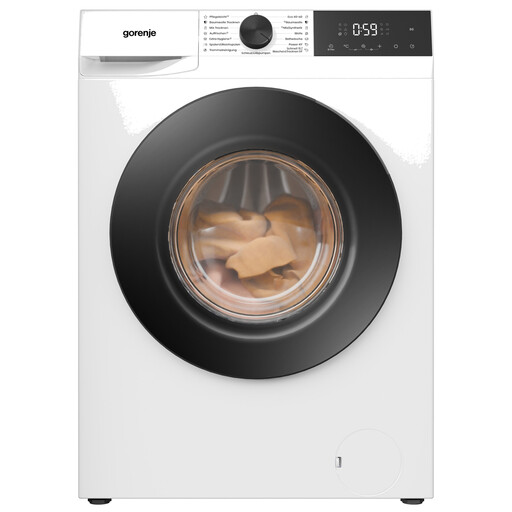 No image available
For a complete wash-and-dry cycle, the stated drying capacity is the key figure to compare with your usual load of towels.
Washing capacity: 11 kg. Drying capacity: 7 kg.
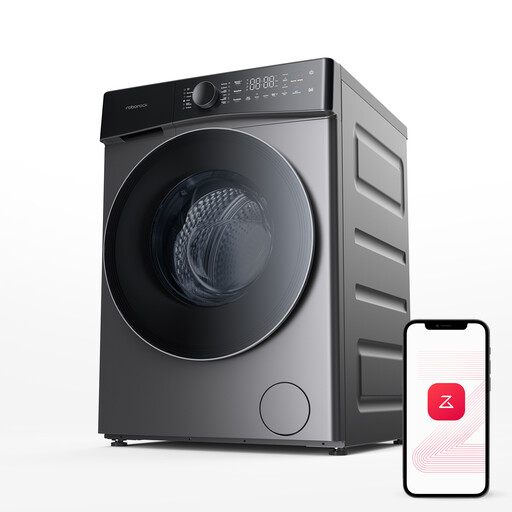 No image available
If you plan to run a combined cycle, check that the stated drying capacity is suitable for your towels.
Washing capacity: 10 kg. Drying capacity: 6 kg. Energy rating: E.
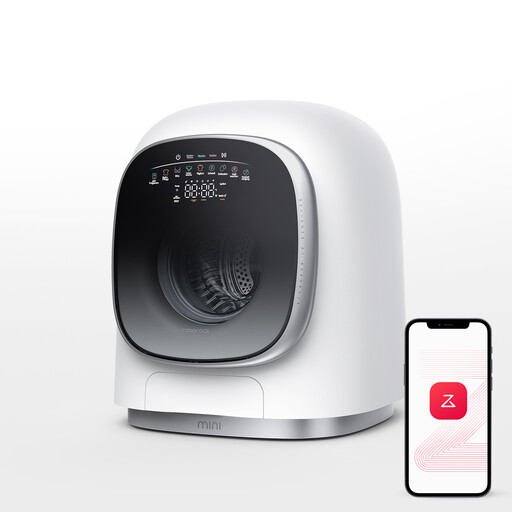 No image available
This mini model is an option for small loads when you want to wash and dry in one appliance.
Washing capacity: 1 kg. Drying capacity: 0.5 kg. Energy rating: A.
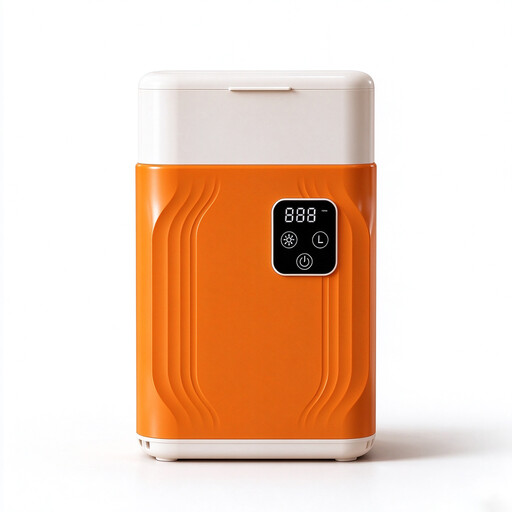 No image available
This foldable appliance is an option for small loads if you need a portable washing and drying solution.
Only if the load is within the appliance's stated capacity for washing and drying. Haier lists the HWD80-BP14637TDE as having an 8 kg washing capacity and a 5 kg capacity for combined use; Bosch lists 10.5 kg and 6 kg respectively for the WNG24443.
No, that is not a blanket rule for every household towel. The Verbraucherzentrale recommends regularly washing kitchen brushes and tea towels at a temperature of at least 60 °C, as germs can multiply on them. Always check the care label for the individual item, too.
Measure the space, including room for the door to open, and check the connections. If you rent your home, the Verbraucherzentrale recommends discussing the installation with your landlord. Avoid leaving wet laundry in the machine for too long, and dry the door seal and detergent drawer after washing.
The EU energy label gives consumption figures for washing and for a complete wash-and-dry cycle. Compare the figures for the relevant operating mode. When you buy goods as a consumer in the EU, you have a statutory guarantee from the seller of at least two years from the date you receive the goods.