What should you look for when buying?
If drying space is limited, first make sure the appliance suits your aprons’ care labels and drying capacity needs. Then compare its dimensions and the consumption figures for a complete cycle.
Condenser washer-dryer
Suitable if: you want one appliance to handle both washing and drying, and there’s no room for an airer or two appliances.
Trade-off: The drying load is smaller than the washing load, and drying may use additional water.
Heat-pump washer-dryer
Suitable if: you regularly dry clothes despite having limited space and want to compare the figures for complete cycles particularly carefully.
Trade-off: A heat pump alone does not guarantee that every apron can be treated appropriately or that you’ll save money overall. Check the appliance’s dimensions and programmes too.
Air-drying or two separate appliances
Suitable if: you have enough drying space or room for a washing machine and a separate tumble dryer.
Trade-off: Air-drying takes space and time, while two appliances need floor space. The consumer advice centre notes that washer-dryers use more electricity and water than separate appliances.
| Buying priority |
What to check |
Who this matters most to |
| Drying without needing extra space |
Check the appliance dimensions, including the clearance needed for the door, as well as the tumble-dry symbol and drying capacity. |
If I have hardly any room to hang clothes, I want to know whether my aprons can be tumble-dried and will fit in the combined load. Around 33% of consumers say their main priority is having somewhere to dry clothes without needing extra space. |
| Several aprons in one cycle |
Compare the number of aprons you usually wash with the capacity for a complete wash-and-dry cycle. |
If I regularly have several aprons to wash, I want to wash and dry as many as possible without transferring them between loads. Around 27% of consumers prioritise keeping up with their apron laundry. |
| Caring for fabrics according to the label |
Check the tumble-dry symbol and permitted temperature against the appliance settings. |
I want to care for my aprons only in ways allowed by their care labels. For around 20% of consumers, suitable fabric care is the main priority. |
| Electricity and water consumption |
Compare the figures on the EU energy label for complete cycles and washing-only cycles separately. |
If I regularly run complete wash-and-dry cycles, I want to assess the consumption for the whole programme. Around 20% of consumers prioritise ongoing running costs. |
Washer-dryers at Joybuy
The following Joybuy products include freestanding and integrated washer-dryers for combined wash-and-dry cycles. Pay particular attention to how the drying capacity compares with the number of aprons you need to wash, and check the installation requirements for integrated models.
 No image available
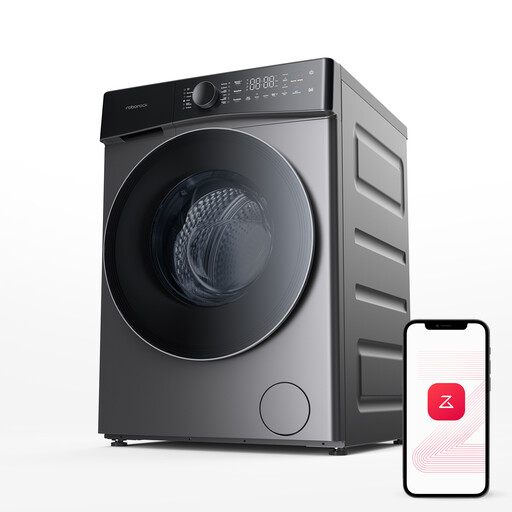
Roborock Zeo Lite Grey washer-dryer
If you want to fit washing and drying into one appliance, the combined load capacity is the key figure to compare.
10 kg washing capacity and 6 kg drying capacity; energy class E.
View at Joybuy
 No image available
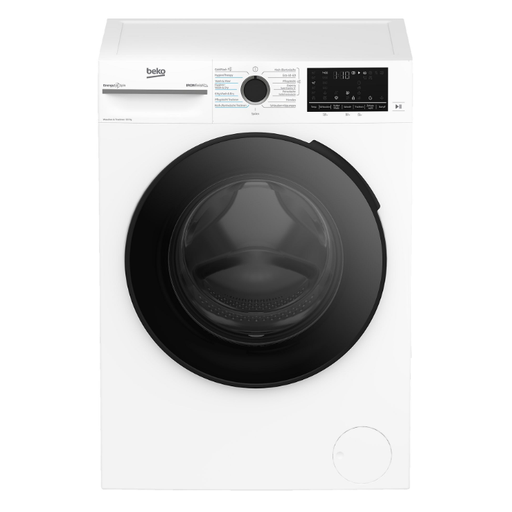
Beko BM3DT4944W washer-dryer
For combined apron loads, use the drying capacity as your guide rather than relying on the washing capacity alone.
9 kg washing and 6 kg drying capacity; 1,400 rpm; energy class D.
View at Joybuy
 No image available
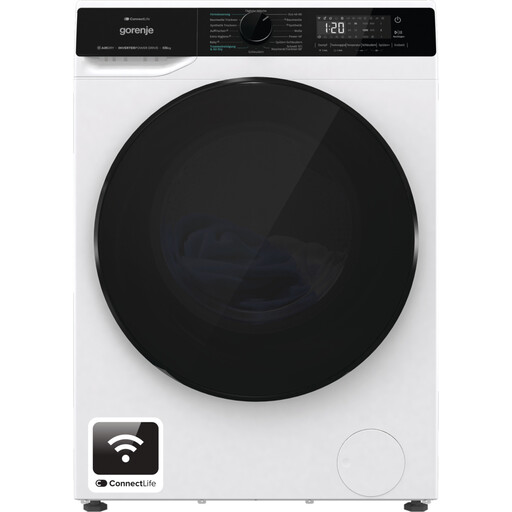
Gorenje WD2PA854ADW DE washer-dryer
If you want to wash and dry your aprons in a single cycle, make sure you stay within the stated capacity for that cycle.
8 kg washing capacity and 5 kg capacity for a wash-and-dry cycle; 1,400 rpm.
View at Joybuy
 No image available
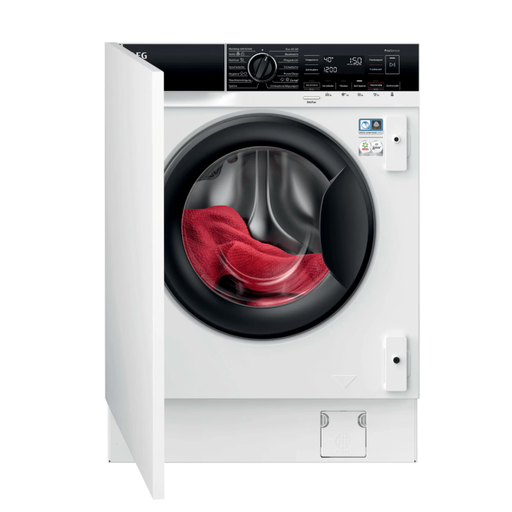
AEG LWR8WI7680 8000 PowerCare integrated washer-dryer
This model is designed to be integrated, so check that it suits your kitchen or utility-room layout before choosing it.
8 kg washing and 4 kg drying capacity; 1,600 rpm; energy classes A/D.
View at Joybuy
 No image available
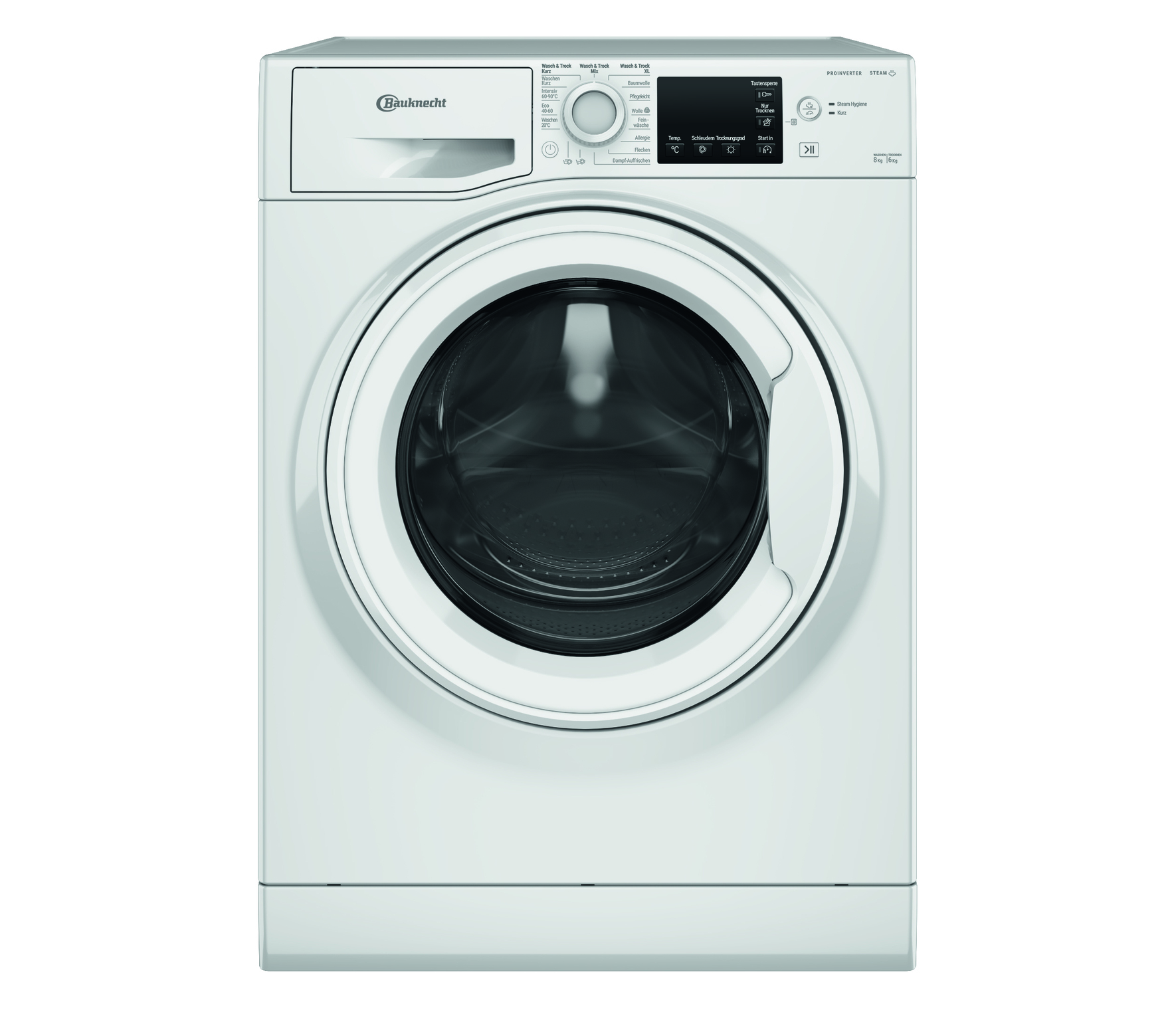
Bauknecht WD Eco Shield 8614 D washer-dryer
If you’re planning a complete cycle, take the stated programme duration into account as well as the load capacity.
8 kg washing and 6 kg drying capacity; 1,400 rpm; energy class D. The stated duration for a full wash-and-dry load is 9 hours 20 minutes.
View at Joybuy
Frequently asked questions
Can I tumble-dry any washable apron in a washer-dryer?
No. The washing symbol and the tumble-dry symbol refer to different stages of fabric care. Check the label: it may allow tumble drying, restrict it to a low temperature or rule it out altogether.
Which consumption figures should I compare?
Compare the figures for a complete wash-and-dry cycle with those for washing only. The European Commission says the EU energy label shows electricity consumption per 100 cycles and water consumption per cycle. Your actual costs also depend on how you use the appliance and your tariffs.
What should I consider when installing and maintaining the appliance?
Compare the appliance dimensions with your available space and the clearance needed for the door, and follow the instructions for the specific model. AEG recommends, among other things, removing visible dirt from the door seal. According to AEG, further steps for cleaning lint depend on the appliance and its heat-pump technology.
What are my rights if a household appliance is faulty?
For consumer purchases in Germany, new goods are generally covered by statutory rights against the seller, which can usually be exercised within two years. A manufacturer’s guarantee is separate from these rights. If you buy at a distance, you may also have a 14-day right to cancel, subject to the statutory conditions; business purchases are not automatically treated in the same way.
Is a household washer-dryer suitable for aprons used in a food business?
You can’t determine this from an appliance programme or a manufacturer’s hygiene claim alone. EU hygiene regulations require people working in food-handling areas to wear suitable, clean and, where necessary, protective clothing. The German Federal Institute for Risk Assessment recommends, among other things, separate storage and fresh workwear every day for communal catering. Any particular washing process needs to be suitable for the workplace and its hygiene plan.


