A washer-dryer may be a good option for washable aprons if their care labels say they are suitable for tumble drying and there is no practical space in your utility room to air-dry them or accommodate two separate appliances. For a complete wash-and-dry cycle, the smaller drying capacity matters, not the washing capacity. If your aprons have come into contact with oil or grease, you must also check the safety instructions for the specific appliance before drying them.
Who is this relevant to?
Households with lots of aprons
If you regularly have several aprons to wash, check the drying capacity for a complete wash-and-dry cycle. Bosch Hausgeräte Deutschland and LG Deutschland list different washing and drying capacities for their respective models.
Households with delicate aprons
If your aprons have different fabrics, trims or care labels, the label will tell you whether and how each apron can be tumble-dried. The care symbols from GINETEX Germany, published by the Verbraucherzentrale, distinguish between permitted and prohibited drying, among other things.
Households without space to dry clothes
If there is no practical room in your utility room for either a clothes airer or two appliances, the space-saving design of a washer-dryer may be useful. The Verbraucherzentrale describes washer-dryers as a space-saving option.
What should you look for when buying?
Washer-dryer
A good fit if: your aprons are suitable for tumble drying according to their care labels and there is no room for a clothes airer or two separate appliances.
The trade-off: washing and drying capacities differ; the Verbraucherzentrale highlights the higher consumption associated with washer-dryers (24 August 2026).
Washing machine with air-drying
A good fit if: you have enough suitable space to dry clothes, or the care label says not to tumble-dry the apron.
The trade-off: you will need to take the aprons out and hang them up after washing.
Separate washing machine and tumble dryer
A good fit if: you have room for two appliances and regularly need to dry larger loads of laundry that are suitable for tumble drying.
The trade-off: you will need space for both appliances and must transfer the laundry between them.
For aprons, the care label, drying capacity and available space all need to work together. The Verbraucherzentrale recommends weighing up consumption based on how you plan to use the appliance, while the European Commission lists separate energy-label figures for washing and wash-and-dry cycles.
| Priority |
What to check before buying |
Who should consider this? |
| Number of aprons |
Compare washing and drying capacities separately, and check the limit for the programme you plan to use. |
If I regularly have several aprons to wash, the smaller drying limit needs to suit the load. Around 33 % of consumers are likely to prioritise finding a suitable load size. |
| Fabric care |
Check the tumble-drying symbol and temperature guidance on the aprons; if they have come into contact with oil or grease, also check the appliance instructions. |
If my aprons are made from different fabrics, I want to check their care labels first. Around 27 % of consumers are likely to prioritise whether items are suitable for tumble drying. |
| Available space |
Check the appliance dimensions and access to the intended location, and take into account any space available for air-drying. |
If I have no practical space for a clothes airer or two appliances, the footprint matters most. Around 20 % of consumers are likely to prioritise a space-saving option. |
| Consumption |
Compare energy per 100 cycles and water per cycle for the same operating mode. |
If I wash and dry frequently, I want to compare the relevant cycles. Around 20 % of consumers are likely to give consumption particular weight. |
Common buying and usage mistakes
-
Assuming the drying capacity matches the washing capacity
For a complete wash-and-dry cycle, the permitted load may be smaller than for washing alone. Bosch Hausgeräte Deutschland lists a washing capacity of 9 kg and a drying capacity of 6 kg for the Bosch WNC244070.
Plan your load around the drying capacity and check the limit for the programme you choose.
Larger loads may need extra drying cycles or to be split between loads.
-
Assuming “washable” means “suitable for tumble drying”
Being washable does not automatically mean an apron can go in the tumble dryer. Drying it against the care-label instructions may damage the fabric.
Read the care labels before choosing an appliance, and follow their guidance on temperature and drying method.
-
Comparing washing consumption alone
The European Commission provides energy-label figures for different operating modes. The Verbraucherzentrale warns that washer-dryers can use more energy and water, which a comparison based on washing alone will not show.
Compare like-for-like cycles and consider how often you will actually use the tumble-drying function.
-
Drying aprons stained with oil or grease without checking safety instructions
Bosch Hausgeräte's instructions for the WNC244070 warn that unwashed laundry that has come into contact with oil or grease can catch fire during drying.
Before drying, follow the safety and washing instructions for the appliance you are actually using.
Key brands to consider
LG
LG Deutschland lists a washing capacity of 9 kg and a drying capacity of 6 kg for the W4WR7096YB washer-dryer.
- Separate capacity figures make it easier to plan a complete load.
- LG limits AI DD to certain programmes; this does not mean all aprons or fabrics are automatically protected.
Bosch
The Series 8 WNC244070 is a specific washer-dryer model with a washing capacity of 9 kg and a drying capacity of 6 kg, according to Bosch Hausgeräte Deutschland.
- The manufacturer's specifications list washing and drying capacities separately.
- The WNC244070 instructions warn of a fire risk when drying unwashed laundry that has come into contact with oil or grease.
Siemens
The Siemens iQ700 WN54C2A40 has a washing capacity of 10.5 kg and a capacity of 6 kg for washing and drying.
- The figures show that a larger washing capacity does not automatically mean the same capacity for a complete wash-and-dry load.
- According to Siemens Hausgeräte Deutschland, this model measures 848 × 598 × 622 mm; check the intended location against these model specifications.
Beko
Beko Deutschland lists a washing capacity of 8 kg and a drying capacity of 5 kg for the Beko WDW 85141 Steam.
- The model gives you a specific capacity comparison to help plan loads of aprons.
- The manufacturer's short programme for 1 kg is not a guarantee that a full load of aprons can be dried; always follow the programme details and care labels.
Washer-dryers at Joybuy
The Joybuy products below are all washer-dryers. Compare the stated drying capacity with the number of aprons you need to wash, and check their care labels.
 Image unavailable
Samsung Washer Dryer Combo, 9 kg/6 kg
The separate capacity figures help you plan a complete wash-and-dry cycle.
Washing: 9 kg; drying: 6 kg; 1400 rpm; AI EcoBubble.
Whether an apron can be tumble-dried depends on its care label.
View at Joybuy
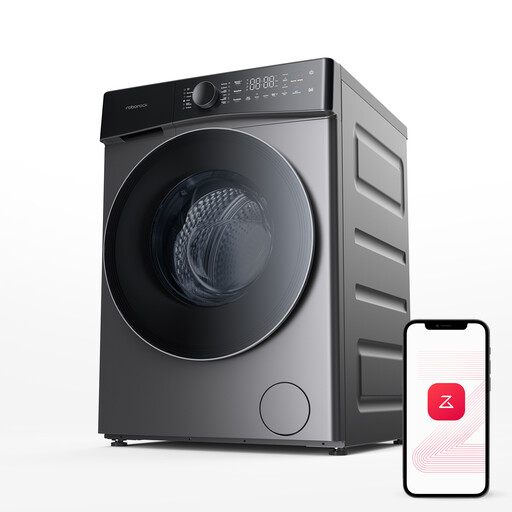 Image unavailable
Roborock Zeo Lite Grey Washer Dryer
The stated drying capacity helps you plan a complete load of aprons suitable for tumble drying.
Washing: 10 kg; drying: 6 kg; Zeo-Cycle drying technology.
Check the care labels on your aprons before drying them.
View at Joybuy
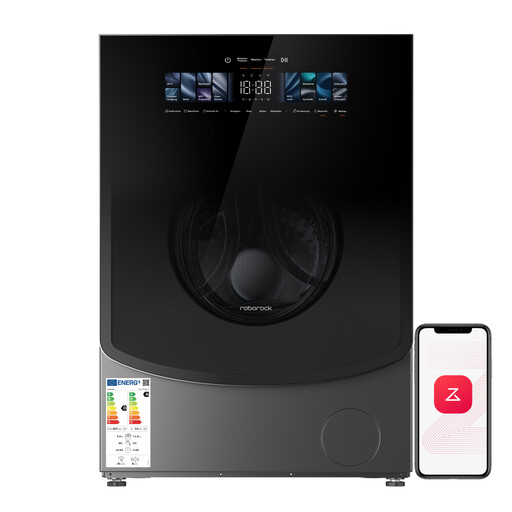 Image unavailable
Roborock Zeo X Washer Dryer
The stated washing capacity of 11 kg and drying capacity of 6 kg need to be considered separately for a complete wash-and-dry cycle.
Washing: 11 kg; drying: 6 kg; 27 programmes.
Whether an individual apron is suitable for tumble drying depends on its care label.
View at Joybuy
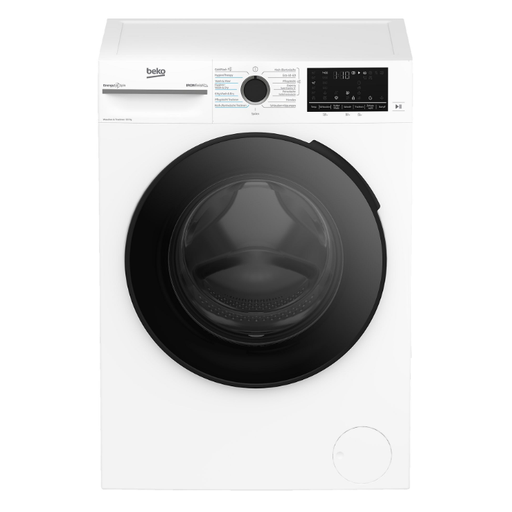 Image unavailable
Beko BM3DT4944W Washer Dryer
The separate figures help you plan the load for a wash-and-dry cycle.
Washing: 9 kg; drying: 6 kg; 1400 rpm.
Check that the programme you plan to use is suitable for the care label on each apron.
View at Joybuy
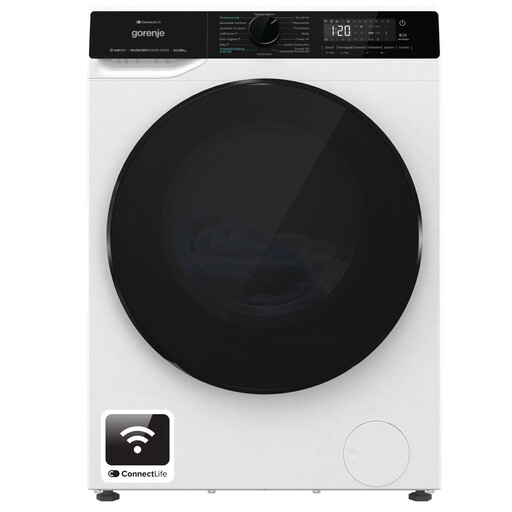 Image unavailable
Gorenje WD2PA1X64ADW DE Washer Dryer
If you are planning a complete wash-and-dry cycle, check the drying capacity specified for the particular model.
Washing capacity: 10.5 kg; 1400 rpm; Wash & Dry 60' programme.
The care labels on your aprons will tell you whether a drying cycle is suitable.
View at Joybuy
Frequently asked questions
Can washable aprons automatically go in the tumble dryer after washing?
No, not just because they are washable. Check the tumble-drying symbol and temperature guidance on each apron. A crossed-out tumble-drying symbol means it must not be tumble-dried according to the care label.
What should I bear in mind with aprons stained with oil or grease?
Follow the safety instructions for the specific appliance. Bosch Hausgeräte's instructions for the WNC244070 warn against drying unwashed laundry that has come into contact with oil or grease, as it could catch fire. A quick or hygiene programme does not mean such aprons are automatically safe to dry.
What should I consider when installing an appliance in the utility room?
Check the dimensions, access route, and water, waste-water and electrical connections at the intended location against the installation instructions for your chosen model. The Bavarian State Ministry of Food, Agriculture, Forestry and Tourism lists the utility room as a suitable place for an appliance; you should still check the connections and available space at your chosen location.
How do I compare washer-dryer energy and water use?
Use the EU energy-label figures for the type of cycle that suits your needs, including energy per 100 cycles and water per cycle. Do not compare a wash-only cycle with a complete wash-and-dry cycle; actual costs also depend on how you use the appliance and your tariffs.
Are a guarantee and your statutory rights the same thing?
No. Your statutory rights are against the seller, while a guarantee is an additional voluntary promise with its own terms and conditions. The Verbraucherzentrale explains the difference. Check the terms of the specific offer for details of any guarantee.


