Shared houses with delicate bath mats
Check the washing and drying instructions for each mat. Being machine-washable does not automatically mean it is suitable for tumble drying.


A washer-dryer could work well in a shared house if the care instructions for your bath mats allow tumble drying, drying space is limited and the longer time the shared drum is occupied fits your routine. If a mat is not suitable for tumble drying or can easily be air-dried, a washing machine with air-drying may be a better option. If you do a lot of washing, separate appliances may be more practical. Compare wash cycles and complete wash-and-dry cycles separately.
Check the washing and drying instructions for each mat. Being machine-washable does not automatically mean it is suitable for tumble drying.
A washer-dryer can save space. However, check that the mats can be tumble-dried and that the smaller capacity for a complete cycle suits your loads.
If several people take turns doing their washing, consider how long a complete wash-and-dry cycle will tie up the shared drum. If you have enough space, separate appliances can make laundry easier to manage.
A good fit if: The care instructions for the mats allow tumble drying and you have limited drying space.
The trade-off: The drum remains occupied while the laundry dries, and the capacity for a complete cycle may be lower than the washing capacity.
A good fit if: A mat is not suitable for tumble drying or you have somewhere suitable to hang it.
The trade-off: Air-drying takes up space and time, but avoids the electricity used by a drying cycle.
A good fit if: You have enough space and several loads are often done one after another in your shared house.
The trade-off: Two appliances take up more space, and you need to transfer the laundry between them. The Verbraucherzentrale notes that washer-dryers use more electricity and water than separate appliances; the specific models and how you use them will determine the comparison in your case.
| Consideration | What to check when buying | Who should consider this? |
|---|---|---|
| Mat care | Check the care label on each mat and make sure its recommended wash temperature and drying instructions match the available programmes. | If I want to avoid drying a mat against its care instructions, checking whether it is suitable comes first. Around 33% of consumers prioritise mat care. |
| Appliance availability | Check the washing and drying capacities separately, and look at the programme duration for a complete cycle. | If several people in the house are waiting to use the appliance, I want to know how long a complete cycle will keep the drum occupied. Around 27% of consumers focus first on capacity and waiting times. |
| Space and installation | Check the dimensions, door opening and water, drainage and electrical connections at the intended location. | If space for the appliance or drying is limited, I want to know first whether there is room for the appliance and somewhere to dry the laundry. Available space is the main consideration for around 20% of consumers. |
| Running costs | Compare kWh per 100 cycles for washing and washing/drying, as well as water consumption, using the same label basis. | If the appliance is used often, I want to compare the consumption figures for the programmes we actually use. Around 20% of consumers prioritise running costs. |
Bath mats can have different drying instructions. A mat that can be washed is not automatically suitable for tumble drying.
Before you buy, check the label on each mat and make sure its instructions match the available programme.
With a washer-dryer, the permitted load for a complete cycle may be smaller than for washing alone. In a shared house, the drum also cannot be used for the next wash load while the laundry is drying.
Compare both capacities and check how long the programme you are likely to use takes.
With several people sharing the appliance, smaller combination loads and long programmes can mean extra waiting time.
Label figures distinguish between washing alone and a complete wash-and-dry cycle. The Verbraucherzentrale also highlights the electricity and water consumption of washer-dryers compared with separate appliances.
Compare the figures for the way you plan to use each appliance on the same label basis, and consider how often you will tumble-dry.
The Serie-6 WNG24442 model illustrates how figures are listed separately for washing and a complete wash-and-dry cycle.
The 9000 Series LWR9W81609 offers a heat-pump option for buyers planning to run complete cycles regularly.
The iQ500 WN44G243 is an example of a model with stated washing and combined capacities.
The F14WD96EN0B combines a 9 kg washing capacity with a 6 kg drying capacity.
The selection includes separate washing machines and tumble dryers, as well as washer-dryers. The key question is whether the care instructions for your bath mats allow tumble drying.
 No image available
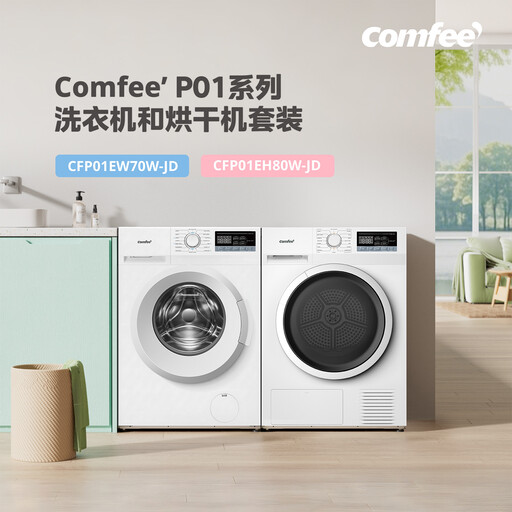
These separate appliances are worth considering if you have enough space and want to use the washing machine and tumble dryer independently.
Washing machine: 7 kg. Heat-pump tumble dryer: 8 kg.
You will need to transfer the laundry between the appliances.
 No image available
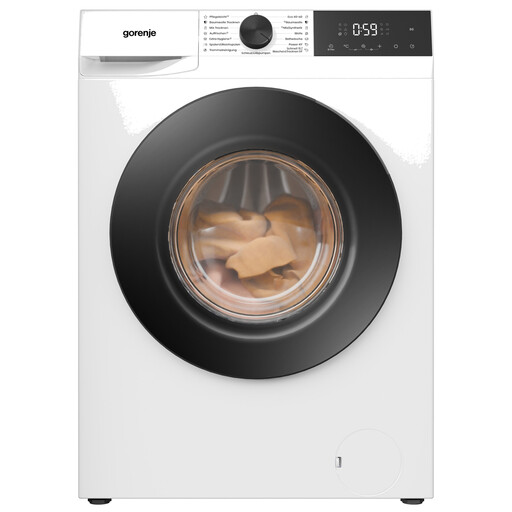
A combined appliance could be a good choice if the mat's care label says it is suitable for tumble drying and you have limited drying space.
Capacity: 11 kg for washing and 7 kg for drying.
The drum is unavailable for the next wash load while the laundry is drying.
 No image available
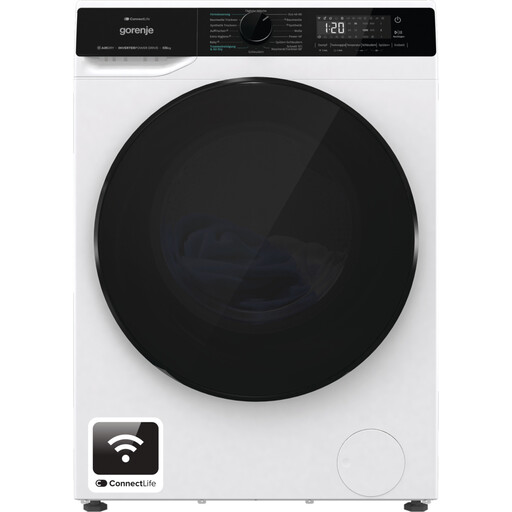
A washer-dryer could be a good fit if drying space is limited, as long as your particular mat is suitable for tumble drying.
Capacity: 12 kg for washing and 10 kg for drying. Heat-pump technology.
The shared drum remains occupied while the laundry is drying.
 No image available
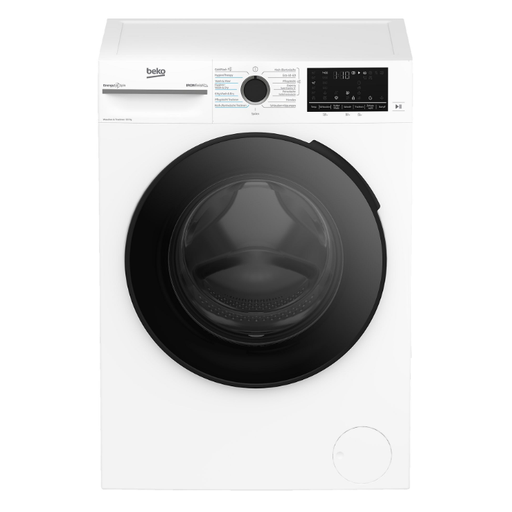
This type of appliance is an option if drying space is limited and the mat's care instructions allow tumble drying.
Capacity: 9 kg for washing and 6 kg for drying. Stated spin speed: 1400 U/min.
The same drum cannot take another wash load while the laundry is drying.
 No image available
A combined appliance could be worth considering if drying space is limited and the bath mat's care label says it is suitable for tumble drying.
Capacity: 8 kg for washing and 5 kg for drying. Stated spin speed: 1400 U/min.
The drum is occupied during a drying cycle, so it cannot be used for the next wash load.
No. It depends on the care instructions for that particular mat. Check its label before planning a drying cycle.
As well as the washing capacity, check the capacity and programme duration for a complete cycle. For example, the data sheet for the Bosch WNG24442 lists 9 kg for washing, 6 kg for washing and drying, and 8 hours and 40 minutes for the stated complete cycle at rated capacity. Other models and programmes may differ.
Avoid leaving wet laundry in the machine for a long time, as advised by the Verbraucherzentrale. AEG recommends additional steps after drying for its washer-dryers; these can vary depending on the design and model.
Compare the label figures for wash-only cycles and complete wash-and-dry cycles separately. To work out your own costs, you will also need to estimate how many of each type of cycle you expect to run and use the same electricity tariff as your basis for comparison.
For a consumer purchase from a retailer, the statutory warranty period is two years from receipt of the goods. The seller is responsible for statutory claims; this is separate from any additional manufacturer's guarantee.
Compare the figures for washing and washing with drying separately. For household washing machines and washer-dryers covered by EU rules, the European Commission describes the A to G scale introduced in March 2021, along with consumption figures per 100 cycles. The energy label does not replace the mat's care instructions.