Shared houses with little space for drying
If there’s only room for one appliance, a washer-dryer can handle both washing and drying – provided the bedding is suitable for tumble drying and the load is within the drying limit.


A washer-dryer could be a good fit for a shared house if there’s only space for one appliance, the care labels say the bedding can be tumble dried, and its dry load is within the limit for the wash-and-dry programme you choose. If you often need to run several loads in a row, you should also consider air-drying or separate appliances, weighing the space saved against energy and water use and how long the appliance will be occupied. The Verbraucherzentrale (German consumer advice centre) notes in general that washer-dryers use more electricity and water than a washing machine and separate tumble dryer.
If there’s only room for one appliance, a washer-dryer can handle both washing and drying – provided the bedding is suitable for tumble drying and the load is within the drying limit.
When several people share the machine, both the permitted load for the programme and the time a complete wash-and-dry cycle keeps the appliance occupied matter.
If you tumble dry frequently, check the energy and water use for a complete wash-and-dry cycle, rather than confusing it with the figure for washing alone.
A good fit if: there’s a suitable spot for it and the care labels say the bedding can be tumble dried.
The trade-off: You only need space for one appliance, but a continuous cycle keeps it occupied until drying is complete.
A good fit if: you have a suitable place to dry clothes, or the care label says not to tumble dry the bedding.
The trade-off: There’s no combined drying cycle, but large bedding still needs enough space to dry.
A good fit if: you have room for two appliances and several tumble-dryer-safe loads need drying regularly in your shared house.
The trade-off: Two appliances take up more space. The Verbraucherzentrale notes in general that washer-dryers use more electricity and water than separate appliances; compare the product specifications for each option.
| Priority | What to check when buying | Who is it most relevant to? |
|---|---|---|
| Suitable bedding load | Compare the dry weight of the load with the washing, drying and programme limits separately. | If you want to dry bedding in one continuous cycle without removing some of the load, its dry weight must be within the programme limit. Around 36% of consumers put finding a suitable bedding load first. |
| Space and appliance availability | Check the appliance dimensions, including room for the door and connections, as well as the length of a complete wash-and-dry cycle. | If you share the appliance space and need to plan several loads, pay particular attention to how much room it takes up and when it will be available. Around 29% of consumers prioritise shared use and appliance availability. |
| Energy and water use when drying | Compare the electricity and water figures for washing alone and washing with drying separately. | If you dry clothes frequently, you’ll want to estimate the running costs of combined cycles. About 21% of consumers prioritise energy and water use when sharing an appliance. |
| Fabric care | Check that the care symbols on the bedding match the available programmes and their load limits. | If particular bedding needs gentle treatment, choose according to its care label rather than the appliance features alone. Around 14% of consumers prioritise appropriate fabric care. |
The washing capacity may be higher than the permitted load for a continuous wash-and-dry cycle. The limit for the programme you select matters too.
Compare the dry weight of the bedding load you plan to wash with the drying limit for the specific programme.
If the load exceeds the limit, you may need extra drying time or another cycle.
The figure for washing alone doesn’t show the energy and water use for a complete wash-and-dry cycle. The European Commission lists separate labelling requirements for the different operating modes of washer-dryers.
If you regularly tumble dry, compare the figures for complete cycles on a like-for-like basis.
A technology name or advertised eco mode doesn’t replace the energy and water figures for the specific model and programme.
Check the model’s figures for the cycle you actually plan to use, and consider advertising claims only in light of the conditions stated.
The dimensions, access route and connections must all suit the intended location. In a rented home, the specific installation requirements and risk of water damage may also be relevant.
Measure the space and access route, and check with your landlord about installation if necessary.
An unsuitable location could mean extra installation costs or the need to arrange another delivery.
According to AEG Germany, the 9000 Series L9WEF80690 washer-dryer is a heat pump model with a 9 kg washing capacity and a 6 kg drying capacity.
According to Bosch Home Appliances Germany, the Series 6 WNG24443 washer-dryer has a 10.5 kg washing capacity and a 6 kg wash-and-dry capacity.
According to Siemens Home Appliances Germany, the iQ700 WN54C2A40 has a 10.5 kg washing capacity and a 6 kg capacity for washing and drying.
LG Germany lists a 9 kg washing capacity and a 6 kg drying capacity for the W4WR7096YB washer-dryer.
Samsung Germany describes the WD90DG5B15BBEG from the WD5000D range as a washer-dryer with a 9 kg washing capacity and a 6 kg drying capacity.
These Joybuy products are washer-dryers. For bedding, pay particular attention to the stated drying capacity and compare it with the dry weight of your load.
 No image available
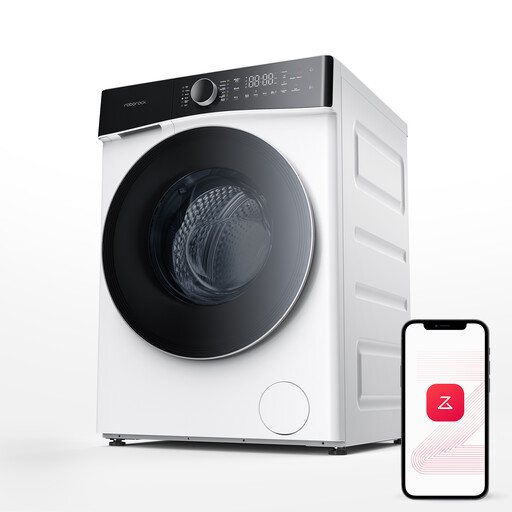
For a continuous wash-and-dry cycle, the drying capacity is limited to 6 kg, compared with 10 kg for washing.
 No image available
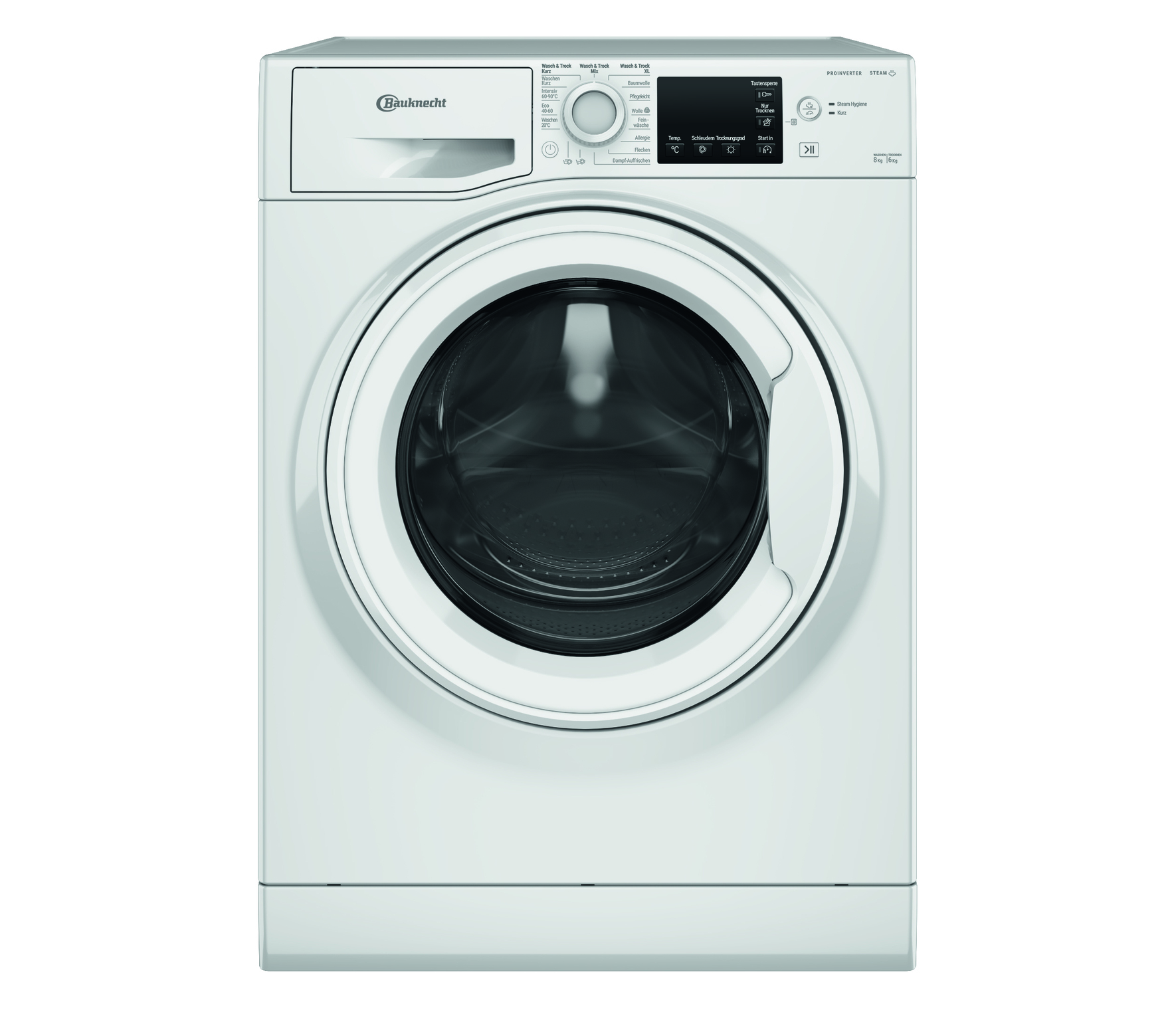
The 6 kg drying limit is lower than the 8 kg washing capacity, so bear this in mind when drying a full bedding load in one continuous cycle.
 No image available
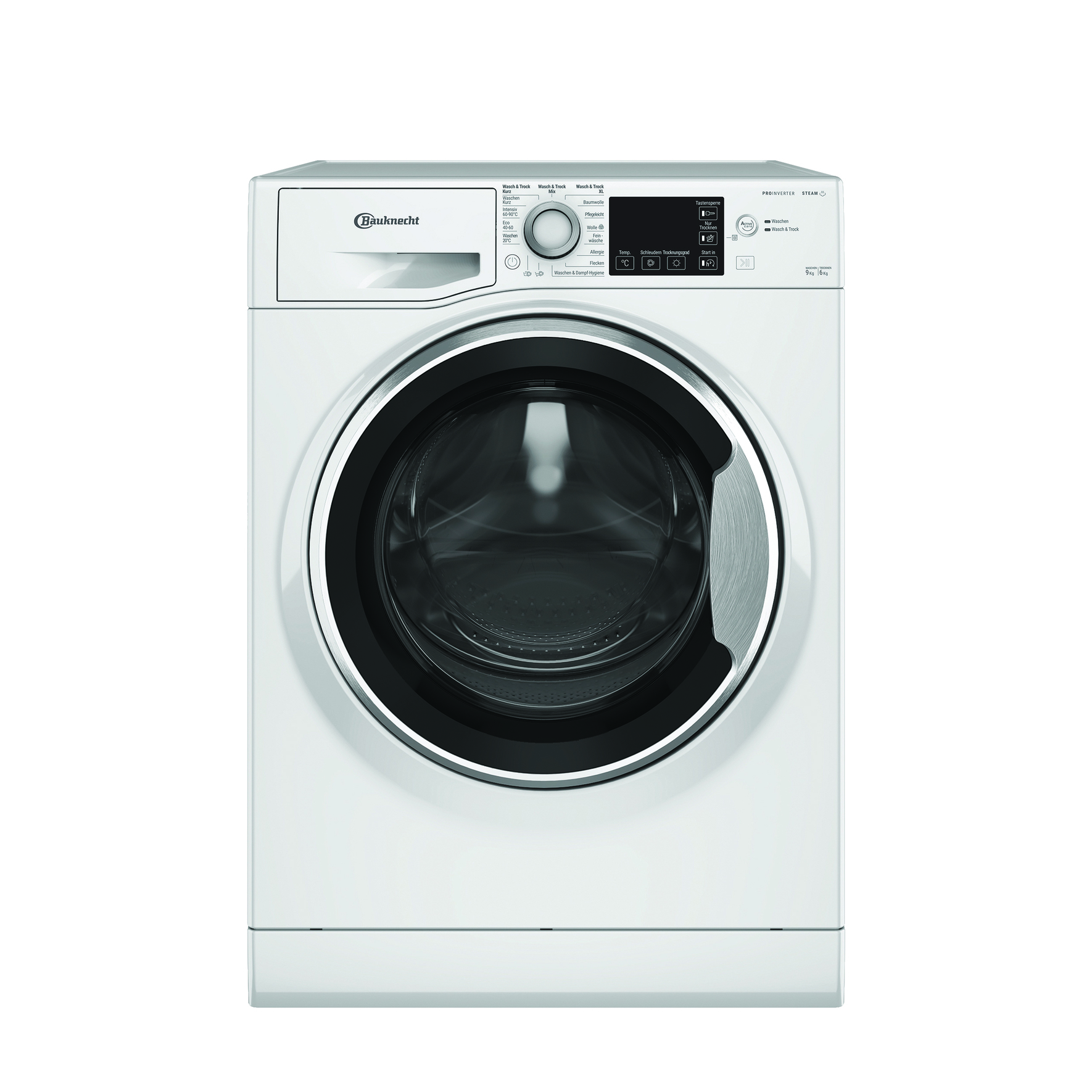
The 6 kg drying limit is below the 9 kg washing capacity and determines how heavy a load can be for a continuous cycle.
Only if the dry weight is within the drying limit for the programme you’ve chosen and the care labels allow tumble drying. The general washing capacity alone doesn’t tell you whether the whole load can be dried in one continuous cycle.
Compare the figures for washing alone and for a complete wash-and-dry cycle separately. To estimate your own electricity costs, you’ll also need to know how many of each type of cycle you run and your electricity tariff.
The Verbraucherzentrale advises against leaving wet laundry in the machine for too long, and recommends wiping the seal and detergent drawer dry when needed. Clean the lint filter and any other filters as instructed in the appliance manual.
The Verbraucherzentrale generally says it’s possible to install a washing machine in a rented home, but recommends checking the specific installation with your landlord and bearing the risk of water damage in mind. This isn’t a blanket statement covering every shared-house tenancy agreement or connection point.