If your shared house already has a washing machine and somewhere suitable to air-dry laundry, it’s usually hard to justify buying a washer-dryer just for cloth napkins. Its main advantage is saving space if you also want to machine-dry other laundry regularly. With a washer-dryer, check the care labels, washing and drying capacities, and the separate consumption figures for each cycle. For hygiene reasons, the German Environment Agency recommends washing napkins at 40 or 60 °C, provided the care label allows it.
Who might benefit from a washer-dryer in a shared house?
Shared houses that use cloth napkins regularly
Wash napkins according to their care labels, and only tumble-dry them if the fabric is suitable. For hygiene reasons, the German Environment Agency recommends washing at 40 or 60 °C. That doesn’t mean every material can withstand these temperatures.
Shared houses without a suitable place to dry laundry
If you’re short on space and also want to machine-dry other household laundry, compare the appliance dimensions with the space available and bear in mind that a washer-dryer’s drying capacity is lower than its washing capacity.
Shared houses where running costs are split
Compare washing cycles and full wash-and-dry cycles separately for electricity, water and programme duration. The figures on the EU energy label refer to specific cycles.
What should you look for when buying?
First decide whether you need to machine-dry your laundry at all. Then compare fabric care requirements, space, capacities and consumption figures based on how you’ll actually use the appliance.
Washing machine and air-drying
A good fit if: you have somewhere suitable to dry laundry and don’t regularly need to machine-dry it.
The trade-off: You won’t need an extra appliance for your napkins, but air-drying takes up space and time.
Conventional washer-dryer
A good fit if: you only have space for one appliance and want to machine-dry other suitable household laundry too.
The trade-off: Drying capacity is often lower than washing capacity, so compare both figures for the model you’re considering.
Heat pump washer-dryer
A good fit if: you machine-dry laundry frequently and a heat pump model suits your shared house in terms of space and overall cost.
The trade-off: The technology alone doesn’t guarantee savings. Compare the label figures for a full cycle and the costs with suitable alternatives.
Separate washing machine and tumble dryer
A good fit if: you have space for two appliances and regularly wash and dry larger loads.
The trade-off: You’ll need room for two appliances. Whether this option makes financial sense depends on the specific models and how you use them.
| What matters |
What to check before buying |
Who is it most relevant to? |
| Washing napkins appropriately |
Check the care label, permitted washing temperature and suitable wash programme. Check the tumble-drying symbol separately. The German Environment Agency and GINETEX Germany explain the relevant care instructions. |
If I want to wash napkins hygienically without damaging the fabric, I follow the temperature and drying symbol on the label. Around 33% of consumers prioritise suitable care for their napkins. |
| Drying laundry when space is limited |
Compare the appliance dimensions, including the space needed for connections and the door to open, as well as the washing and drying capacities separately. |
If there’s no room for a separate place to dry laundry, I want to be able to machine-dry other suitable household laundry in the same appliance. Around 27% of consumers prioritise space and machine-drying. |
| Running costs |
Compare the EU energy label figures for washing and a full wash-and-dry cycle separately: kWh per 100 cycles, water per cycle and programme duration. The European Commission lists figures for each cycle separately. |
If we share the running costs, I want to compare consumption for the wash and drying cycles we’ll actually use. Around 20% of consumers focus mainly on running costs. |
| Shared use |
Check the typical load size, separate capacities, programme duration and water protection for the specific model. If you’re renting, check with your landlord before installation. The German consumer advice centre recommends doing so in advance. |
If several people will use the machine, its capacity should suit the loads we do together and our routines. Around 20% of consumers prioritise a washer-dryer that works well for shared use. |
Common buying misconceptions
-
Assuming the washing capacity is the same as the capacity for a full wash-and-dry cycle
Some models can dry less laundry than they can wash. So a full wash load may not fit into a single continuous wash-and-dry cycle.
A larger wash load may need an additional drying load, which takes extra time.
Compare your usual loads with the washing and drying capacities listed separately.
-
Applying the washing efficiency rating to washing and drying
The EU energy label gives separate figures for washing cycles and full wash-and-dry cycles.
Only compare figures based on the same cycle, and take your actual usage into account.
-
Assuming a steam function means the appliance is suitable for your napkins
An appliance programme doesn’t override the permitted washing temperature or the tumble-drying symbol for the fabric.
Check the care labels on your napkins first, then choose suitable appliance programmes.
Brands and models to consider
Bosch
The WNG24442 is a 9/6 kg washer-dryer with automatic stain removal and Aqua Stop. Bosch lists these features for this specific model.
- The manufacturer lists a washing capacity of up to 9 kg and a capacity of up to 6 kg for washing and drying in one go.
- The advertised stain-removal function doesn’t independently confirm how well the appliance removes particular napkin stains. Its drying capacity is lower than its washing capacity.
Beko
According to Beko, the BM3DT4944W has a washing capacity of 9 kg, a drying capacity of 6 kg and a stated appliance depth of 57 cm.
- The specific capacity and depth figures can help you check how the appliance fits your typical loads and available space.
- The manufacturer’s figures don’t prove better washing results or lower overall costs. Remember to allow extra space for connections.
AEG
According to AEG, the LWR7AMZ48WD is a condenser washer-dryer with a washing capacity of 8 kg and a drying capacity of 5 kg.
- AEG lists 265 kWh per 100 full cycles and 47 kWh per 100 washing cycles.
- These figures relate to different programme definitions, so they can’t be compared directly as annual consumption for a shared house.
LG
LG describes the HPWD096C as a heat pump washer-dryer with a washing capacity of 9 kg and a drying capacity of 6 kg.
- The manufacturer lists A/A ratings for the respective cycles.
- Whether this specific appliance is cost-effective for your shared house depends, among other things, on comparable consumption figures and how often you use it.
Joybuy products for washing and drying
The models below are washer-dryers for shared houses that want to combine washing and machine-drying in one appliance. For every load, compare the lower drying capacity with the amount of laundry you actually have.
 No image available
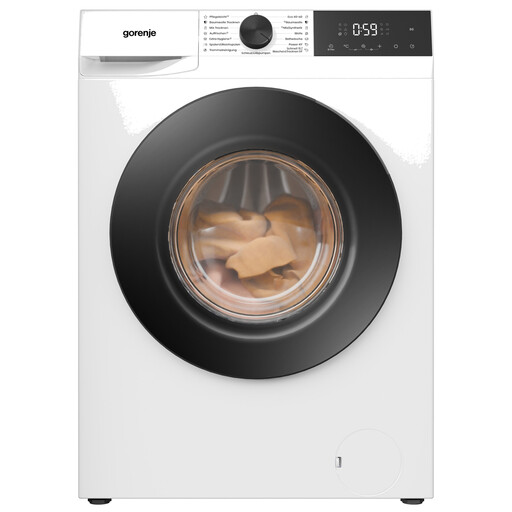
GORENJE WD5G2P1174A2DP2, 11/7 kg washer-dryer
For a shared house that wants to combine washing and drying in one appliance and can make use of the stated capacity.
Washing capacity of 11 kg and drying capacity of 7 kg. The lower drying capacity determines the size of loads you can wash and dry in one go. The product description mentions AquaStop and overflow protection.
View at Joybuy
 No image available
LG WT1210WWF washer-dryer, 12/10 kg
For shared houses that want to handle larger loads in a washer-dryer while taking the separate capacities into account.
Washing capacity of 12 kg and drying capacity of 10 kg. The product title mentions Dual Inverter Heat-Pump; the product description lists an Aqua-Lock water protection system and a self-cleaning condenser.
View at Joybuy
 No image available
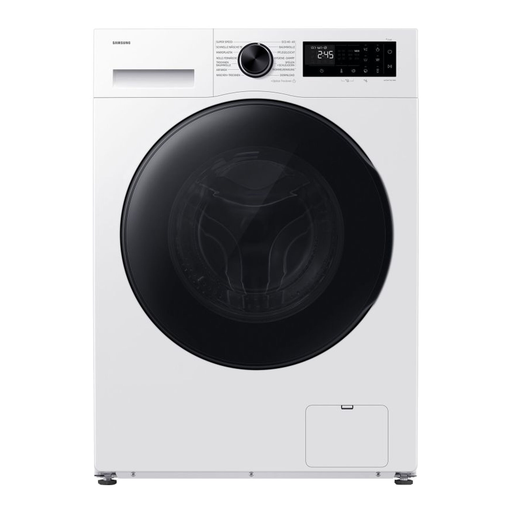
SAMSUNG WD9BHG5U34BEEG washer-dryer, 9/6 kg
For a shared house looking to compare a washer-dryer with separate figures for washing and wash-and-dry cycles.
Washing capacity of 9 kg and drying capacity of 6 kg. The product description lists separate energy and water figures for washing and wash-and-dry cycles, as well as leak protection.
View at Joybuy
 No image available
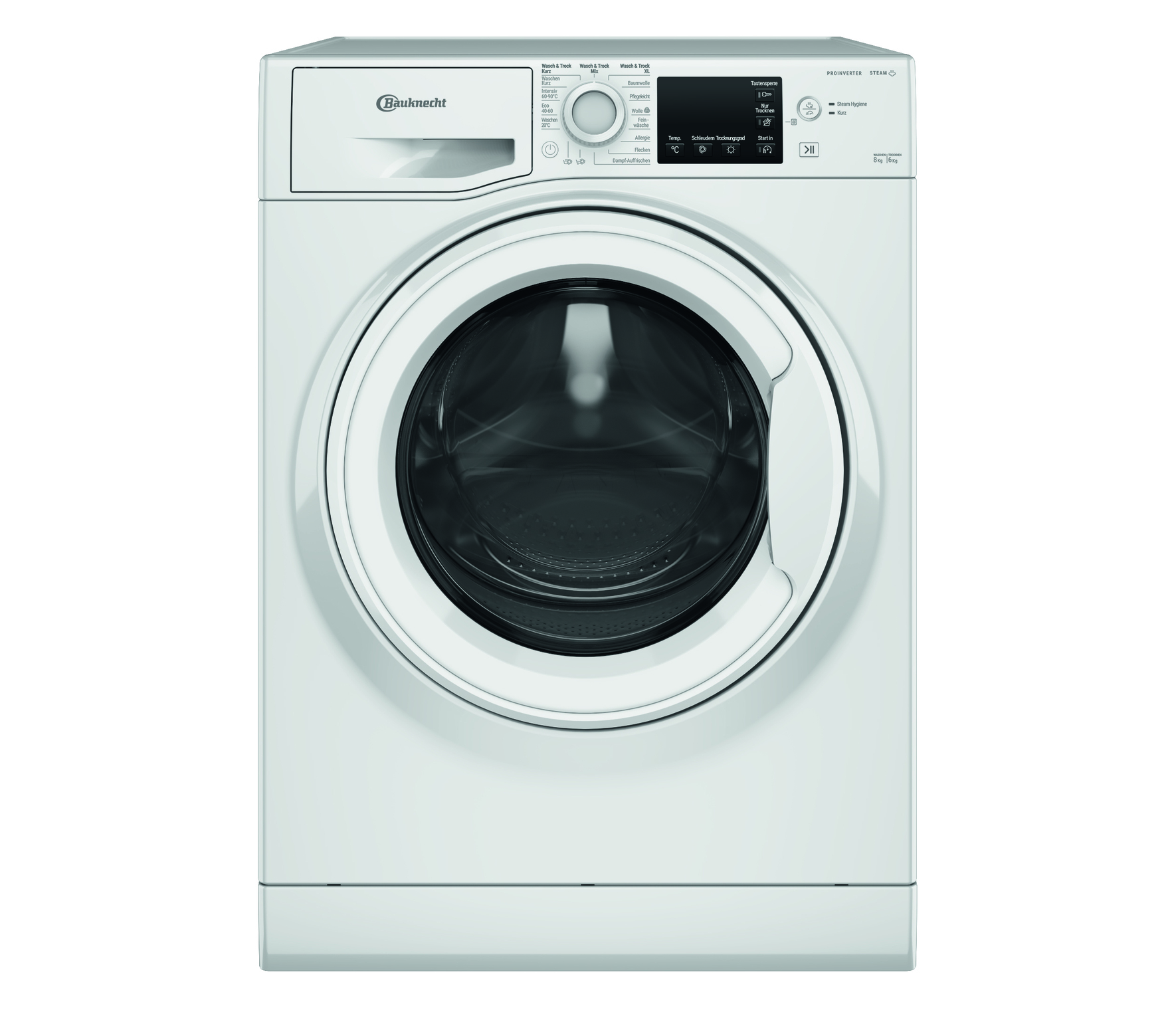
Bauknecht WD Eco Shield 8614 D, 8/6 kg washer-dryer
For a shared house looking to include a model with a specifically named stain-washing programme in its selection.
Washing capacity of 8 kg and drying capacity of 6 kg. The product description lists a ‘Stains 40°’ programme. Bear in mind the lower drying capacity when running full wash-and-dry cycles.
View at Joybuy
 No image available
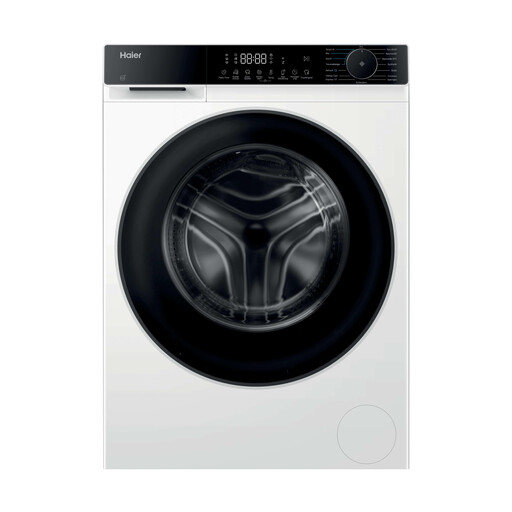
Haier X5 Series HWD120-BP14357U1, 12/8 kg washer-dryer
For a shared house that wants to compare larger wash loads with the corresponding lower drying capacity.
Washing capacity of 12 kg, drying capacity of 8 kg and 14 programmes. The product description mentions AquaStop and Aquaproof.
View at Joybuy
Frequently asked questions
What temperature should we use for cloth napkins?
For hygiene reasons, the German Environment Agency recommends washing napkins at 40 or 60 °C. Check the maximum temperature on the care label too: not all napkin fabrics can withstand 60 °C.
Can all cloth napkins go straight into the tumble dryer?
No, not as a general rule. The tumble-drying symbol on each item shows whether and how it can be tumble-dried, so follow the care label.
What should we check before installing an appliance in a rented property?
Check the dimensions and connections for the specific appliance, and ask your landlord whether installation is permitted before you go ahead. The German consumer advice centre recommends checking first, including to avoid possible water damage. This doesn’t mean washer-dryers are categorically forbidden in shared houses.
What happens if the appliance develops a fault after purchase?
If a product is faulty, your statutory rights are generally against the seller. These are separate from any additional manufacturer’s guarantee. The German consumer advice centre says new goods are generally covered for two years from delivery or receipt, subject to the relevant legal conditions.
Does a domestic washer-dryer need an EU energy label?
Domestic washer-dryers covered by EU regulations must meet energy-labelling requirements. The label gives separate figures for washing and a full wash-and-dry cycle. Check the label for the exact model number.


