A washer-dryer makes sense if you need to dry your bedding in the same appliance and the load fits within the drying capacity of the programme you choose. If you have space to hang your washing or for separate appliances, compare these options with a complete wash-and-dry cycle. The Verbraucherzentrale recommends taking the drying options available to you into account. When choosing a model, you should also check the care label, consumption figures for the full cycle and the installation requirements for the specific model.
Which drying option is right for you?
Households with large bedding loads
If you want to wash and then dry sheets, duvet covers and pillowcases without splitting the load, check the drying capacity carefully against the size of your usual load. Bosch lists a washing capacity of 9 kg and a drying capacity of 6 kg for the WNC244070. AEG gives the same figures for the L9WEF80690: 9 kg for washing and 6 kg for drying.
Households short on space
If your utility room only has room for one appliance, a washer-dryer or a suitable stacked setup could be an option. Check the dimensions, connections and installation guidance for the specific model. For its heat pump washer-dryers, AEG also highlights the need to keep ventilation slots clear and allow sufficient air circulation.
Households that dry laundry frequently
If you regularly machine-dry your bedding, compare the energy and water consumption of the full wash-and-dry cycle rather than looking at washing figures alone. The European Commission lists information for washer-dryers including energy and water consumption, as well as programme duration.
What should you look for when buying?
Washer-dryer
A good fit if: You only have space for one appliance in your utility room and the care labels say your bedding is suitable for tumble drying.
Bear in mind: The drying capacity may be lower than the washing capacity. To run a complete cycle without interruption, your load must fit within the dryer’s capacity.
Washing machine and air-drying
A good fit if: You have a suitable place to dry your washing and the extra drying time works with your daily routine.
Bear in mind: Wet washing takes up drying space. The Verbraucherzentrale recommends taking the available space for hanging laundry into account when making your decision.
Separate washing machine and tumble dryer
A good fit if: You have room for two appliances or a stacking setup that is approved in the appliance instructions.
Bear in mind: The appliances need floor space and you’ll need to move the washing from one to the other. For a stacked setup, the stacking kit must be compatible with both appliances.
| What matters to you |
What to check when buying |
Who should pay particular attention |
| Washing and drying bedding in one go |
Compare the weight of a typical dry load with the washing and drying capacities of the programme you plan to use. |
If I want to dry sheets and duvet covers without splitting the load, the smaller drying capacity is what matters most to me. Around 36% of consumers are likely to pay particular attention to matching washing and drying capacities. |
| Fitting the appliance and drying setup |
Check the appliance dimensions, clearance requirements, connections, and the model’s installation and ventilation guidance. |
If there’s little floor space left in my utility room, the solution needs to suit the room and its connections. Around 29% of consumers are likely to consider installation their main priority. |
| Comparing consumption for frequent full cycles |
Compare figures for full wash-and-dry cycles, water consumption and programme duration. |
If I machine-dry regularly, I want to compare figures for the full cycle, not just the washing phase. Around 21% of consumers are likely to prioritise the consumption of their regular drying cycles. |
| Caring for bedding according to its care label |
Check the washing and tumble-drying symbols on every item, along with the programme’s loading instructions. |
If I want to treat duvet covers as gently as possible, I follow their care labels rather than relying on the fact that they’re made of cotton. Around 14% of consumers are likely to put fabric care first. |
Common buying mistakes
-
Focusing only on the higher washing capacity
The washing capacity doesn’t mean that the same load can be dried completely in one go. Some models have a significantly lower stated drying capacity.
Compare the weight of your usual bedding load with the permitted load for the wash-and-dry programme you plan to use. Otherwise, you may need to run an extra drying cycle or split the laundry into smaller loads.
An extra drying cycle or splitting your bedding can take more time.
-
Confusing washing efficiency with consumption for a full cycle
Figures for washing and for washing plus drying relate to different operating modes. Washing figures alone don’t show the consumption of a complete wash-and-dry cycle.
If you dry your washing regularly, compare the label figures for full cycles on a like-for-like basis. The European Commission lists separate figures for consumption and programme duration.
-
Not checking the room against the installation requirements
An available space isn’t automatically suitable for every appliance. For heat pump washer-dryers, AEG highlights the need to keep ventilation slots clear and ensure air can circulate freely.
Before buying, check the installation instructions for the specific model and make sure its dimensions, clearance, connections and ventilation requirements suit your utility room.
Notable brands and model examples
Bosch
The WNC244070 is a specific model you can use to compare washing and drying capacities.
- Bosch lists a washing capacity of 9 kg and a drying capacity of 6 kg for the WNC244070.
- The figures for this model don’t automatically apply to other Bosch ranges.
AEG
The L9WEF80690 from the 9000 series is a heat pump washer-dryer that you can compare for full-cycle performance.
- AEG lists a washing capacity of 9 kg, a drying capacity of 6 kg and 252 kWh per 100 wash-and-dry cycles for this model.
- Check the installation guidance for the specific appliance, particularly the requirements for ventilation and keeping the ventilation slots clear.
Siemens
The iQ700 WN54C2A40 has a high stated washing capacity, which you should compare with its drying capacity.
- Siemens lists a washing capacity of 10.5 kg and appliance dimensions of 848 × 598 × 622 mm.
- According to Siemens, the maximum load for washing and drying is 6 kg. This means the larger washing load can’t be dried completely in one cycle.
LG
The W4WR7096YB is a model with separate stated washing and drying capacities.
- LG lists a washing capacity of 9 kg and a drying capacity of 6 kg for this model.
- The drying capacity is lower than the washing capacity, so check that your load fits the full cycle you have planned.
Miele
The WT1 WTR860WPM has a lower capacity than the other models featured here.
- Miele lists a washing capacity of 8 kg and a drying capacity of 5 kg, along with features such as TwinDos and SteamCare.
- If you have larger bedding loads, bear in mind the stated drying capacity of 5 kg.
Joybuy products for washing and drying
The Joybuy products below include washer-dryers and combined wash-and-dry solutions for bedding, as well as WashTower models with separate washing and drying units. For each model, make sure your load fits within the stated drying capacity.
 No image available
LG WT1210EGF WashTower, 12 kg washing and 10 kg drying
The separate washing and drying units are worth considering if you can stack both appliances in your utility room.
The stated capacities are 12 kg for washing and 10 kg for drying, so the maximum drying load is smaller than the maximum washing load.
View at Joybuy
 No image available
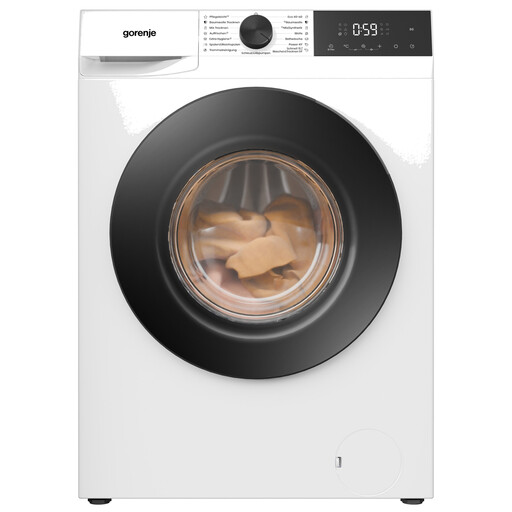
Gorenje WD5G2P1174A2DP2, 11 kg washing and 7 kg drying
This model is an option if you want to wash and dry your laundry in one freestanding appliance.
The stated capacities are 11 kg for washing and 7 kg for drying. For a continuous cycle, the load must fit within the dryer’s capacity.
View at Joybuy
 No image available
LG WT1210WWF, 12 kg washing and 10 kg drying
The separate units are suitable if you can fit two appliances or stack them in a compatible setup.
The stated washing capacity is 12 kg and the drying capacity is 10 kg. Plan your full cycle around the lower load limit.
View at Joybuy
 No image available
Samsung washer-dryer, 9 kg washing and 6 kg drying
This freestanding washer-dryer is designed to wash and dry your laundry in one appliance.
The stated capacities are 9 kg for washing and 6 kg for drying. The smaller drying load is the one to consider for a complete cycle.
View at Joybuy
 No image available
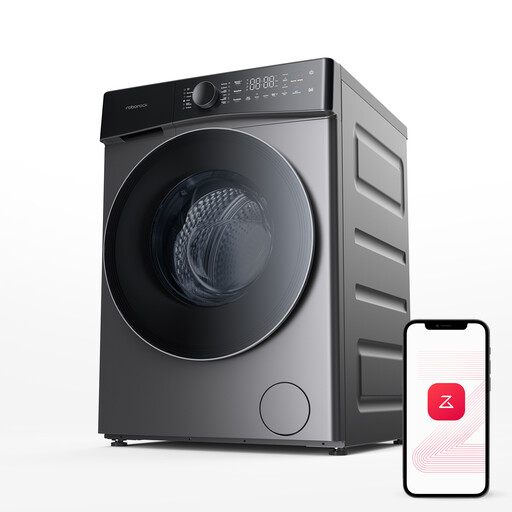
Roborock Zeo Lite, 10 kg washing and 6 kg drying
This model is described as a washer-dryer for washing and drying in one appliance.
The stated capacities are 10 kg for washing and 6 kg for drying. For a continuous cycle, your bedding load must fit within the dryer’s capacity.
View at Joybuy
Frequently asked questions
Can all cotton bedding go straight into the tumble dryer after washing?
No. Check the tumble-drying symbol on each duvet cover or sheet. If tumble drying is not permitted, that item isn’t suitable for a continuous wash-and-dry cycle.
What should I check before installing an appliance in my utility room?
Check the installation instructions for the specific model against the available space, clearance and water connections. AEG also highlights the need to keep ventilation slots clear and allow sufficient air circulation for its heat pump washer-dryers.
Which consumption figures should I compare?
If you regularly machine-dry your bedding, compare figures for complete wash-and-dry cycles rather than washing figures alone. The European Commission lists information for washer-dryers including energy and water consumption, as well as programme duration.
How should I care for a washer-dryer after drying?
Follow the instructions for the specific model. For its washer-dryers, AEG recommends cleaning the door seal and detergent drawer, among other things. Whether you should run an additional cleaning programme after drying depends on the model.


