Families with large laundry loads
If you wash your shorts with other everyday laundry, compare the washing and drying capacities separately. For a continuous wash-and-dry cycle, the lower drying capacity is the one that matters.


A washer-dryer could suit your family if you have little room for drying clothes or for two separate appliances, and the care labels on your shorts allow tumble drying. The key is whether your usual load fits the drying capacity, and whether the consumption figures for a full wash-and-dry cycle work for regular use. If you have enough space, a washing machine with air-drying or separate appliances may be a better fit.
If you wash your shorts with other everyday laundry, compare the washing and drying capacities separately. For a continuous wash-and-dry cycle, the lower drying capacity is the one that matters.
A washer-dryer can be a practical option if you have neither room for two appliances nor a suitable place to hang clothes. Even so, check the space available, the connections and the route into your home.
For cotton and cotton blends, the care label on each garment tells you whether and how it can be dried. The garment’s construction and care instructions can affect the risk of shrinkage.
A good fit if: There’s no suitable space for two appliances or a clothes airer, and the care labels say your shorts are suitable for tumble drying.
Bear in mind: The drying capacity is often lower than the washing capacity. Also compare the figures for a full cycle on the specific model you’re considering.
A good fit if: You can wash your shorts according to their care labels and dry them somewhere suitable.
Bear in mind: Hanging clothes takes time and space. If you dry them indoors, make sure the room is well ventilated and heated.
A good fit if: You have space and connections for two appliances, and regularly wash larger loads that are suitable for tumble drying.
Bear in mind: Two appliances need more floor space. The Verbraucherzentrale rates their electricity and water consumption more favourably than that of conventional washer-dryers.
The Verbraucherzentrale points out that washer-dryers may have a lower drying capacity than washing capacity. The points below will help you weigh up load size, fabric care, consumption and where to place the appliance.
| What matters to you | What to check before buying | Who is this important to? |
|---|---|---|
| Capacity for family loads | Compare the washing and drying capacities with your usual load. | If you wash shorts with other laundry and want to avoid splitting the load, the amount you can dry in one go is what matters. Capacity is the main priority for around 33% of consumers. |
| Electricity and water consumption | Compare figures for the programme you’ll actually use and a suitable load size. | If you regularly use the automatic drying function, you’ll want to estimate consumption for the whole cycle, not just the wash. This is a priority for around 27% of consumers. |
| Caring for cotton shorts | Check the care symbols on each garment and choose suitable washing and drying programmes. | If you want to keep your shorts in good condition, follow their care labels rather than relying on the fact that they’re made of cotton. Fabric care is the top priority for around 20% of consumers. |
| Space and laundry routine | Measure the space and route into your home; consider connections and whether you can air-dry clothes. | If your home is short on space, look for a solution that suits both the room and your laundry routine. Space and the laundry routine are the main priorities for around 20% of consumers. |
The maximum load for a continuous wash-and-dry cycle may be smaller than the washing capacity. You may then need to split a larger wash load before drying it, or dry it in several cycles.
Compare the stated drying capacity with the amount you actually want to dry in one go.
Extra drying cycles take time.
The energy label gives separate figures for washing and for a full wash-and-dry cycle. So the washing figure alone won’t show you the consumption if you regularly dry clothes straight after washing.
Compare figures for the same programme, especially the full wash-and-dry cycle.
The right treatment also depends on how each garment is made and its care instructions. Cotton can shrink when tumble-dried.
Check the washing and drying symbols on all the shorts in the load before selecting a combined programme.
The L9WEF80690 is a Series 9000 heat pump washer-dryer. It’s a useful comparison point if you want to check the full label figures for a specific model.
The W4WR7096YB has a washing capacity of 9 kg and a drying capacity of 6 kg. It may be a useful comparison point if your usual drying load fits this capacity.
The WNA14441 is a useful comparison point for households whose continuous drying load fits within 5 kg.
The B3DFT510447W is a useful comparison point if you want to assess its 10 kg washing capacity and 6 kg drying capacity separately.
This selection includes washer-dryers for households looking to combine washing and drying in one appliance. For cotton shorts, pay particular attention to the separate capacities and the care labels.
 No image available
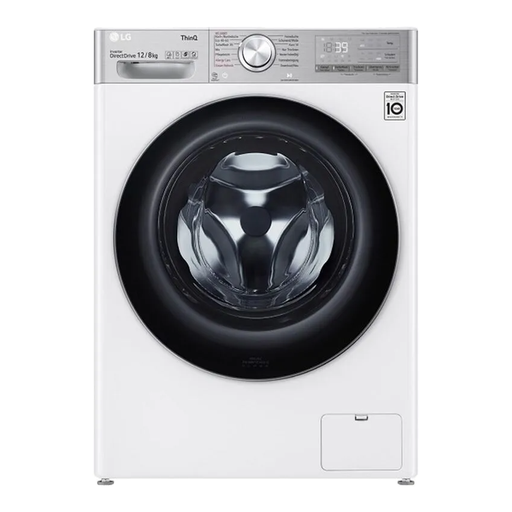
This could be an option if you want to combine washing and drying in one appliance.
The product name gives a capacity of 12 kg. Before buying, check the separate washing and drying capacities for the way you plan to use it. AI DD is included in the product name.
 No image available
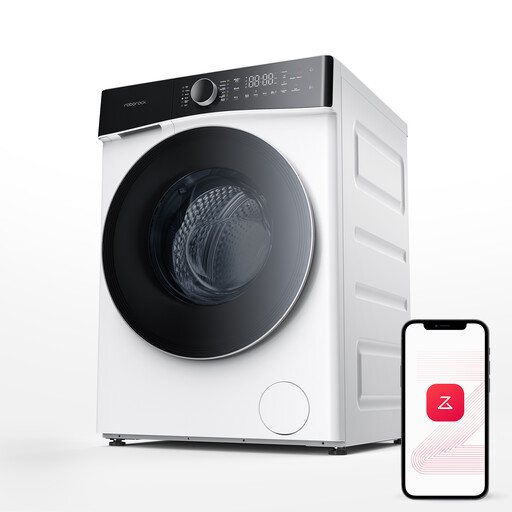
The separate capacities help you work out whether your usual wash load can be dried straight through without splitting it.
The product name lists 10 kg for washing and 6 kg for drying. It also mentions Zeo-Cycle drying and a self-cleaning lint system.
 No image available
The stated drying capacity can help you compare this model with larger family loads, but what matters most is the amount you actually want to dry.
Listed features include 12 kg washing capacity, 10 kg drying capacity, Dual Inverter heat pump technology and AI DD.
 No image available
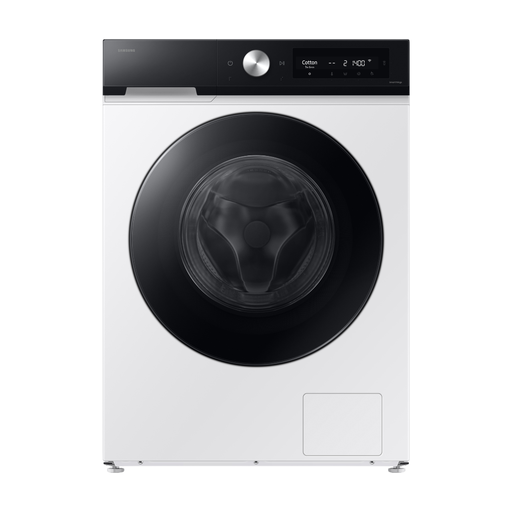
When choosing, bear in mind that the stated drying capacity is lower than the washing capacity.
The stated capacities are 11 kg for washing and 6 kg for drying, with energy efficiency class D. The product description lists cotton programmes and Wi-Fi.
 No image available
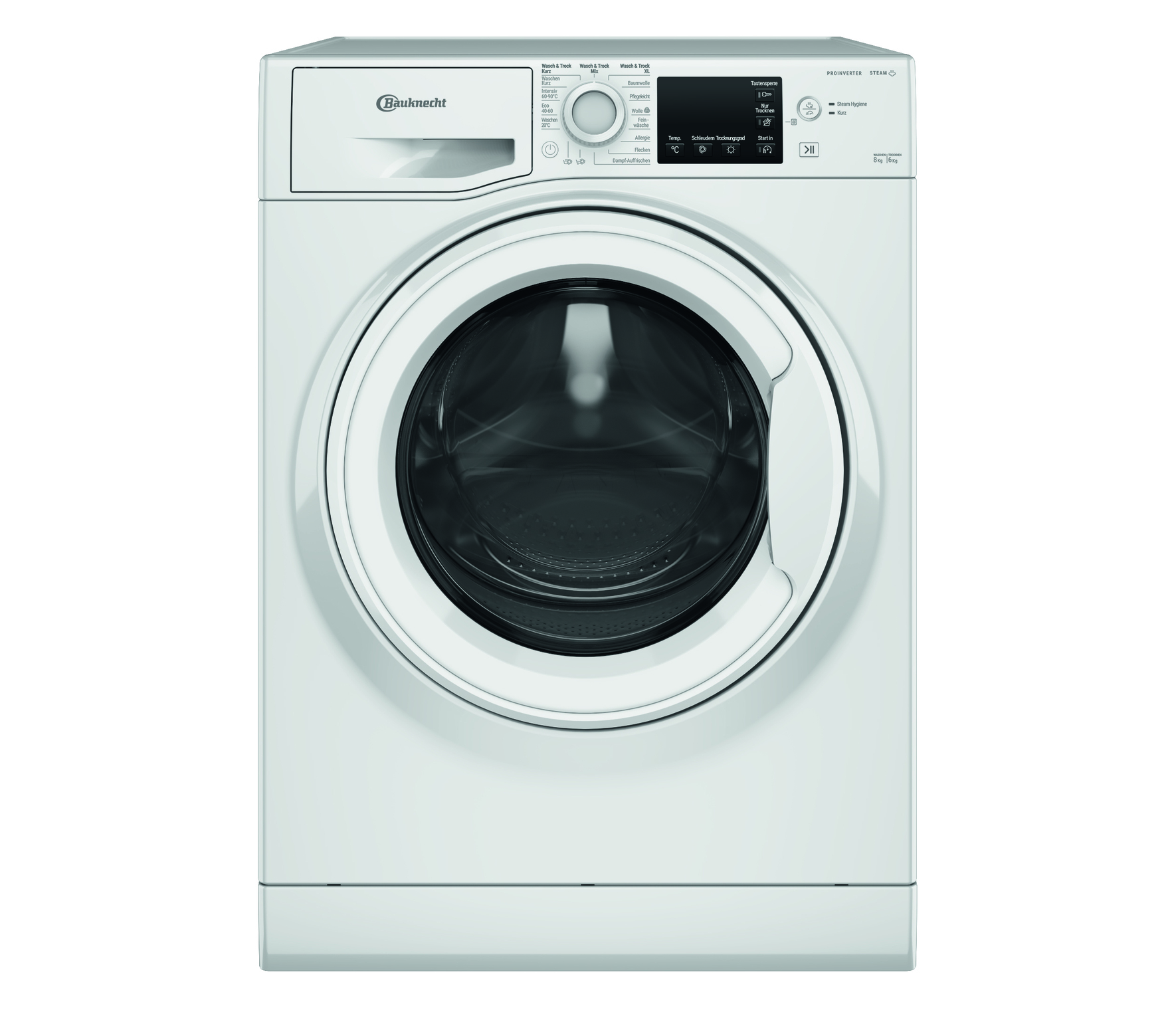
This could suit you if the stated drying capacity of 6 kg matches your usual load.
Listed features include 8 kg washing capacity, 6 kg drying capacity, 1400 rpm and energy efficiency class D. The model also has steam programmes.
No. Check the care label on each garment. Cotton isn’t automatically suitable for the same drying cycle; the garment’s construction and care instructions may rule it out because of the risk of shrinkage.
Compare the energy consumption for a full wash-and-dry cycle, not just the separate washing figure. Also take water consumption and the rated capacity into account. Label figures are based on standardised cycles, not on your specific load of shorts.
Check the location, connections and appliance instructions, and take precautions against water damage. The Verbraucherzentrale explains that tenants generally cannot be prevented from installing a washing machine in their home.
For a consumer purchase in the EU, the seller is responsible for the statutory guarantee; the minimum protection lasts for two years from the date you receive the goods. Any additional manufacturer’s warranty does not replace these statutory rights.