Households without space to dry clothes
If you have room for one appliance but very little space to hang clothes, check the dimensions, connections and usable drying capacity.


A washer-dryer could work in a small laundry nook if one appliance is a better fit than separate machines, your tablecloths are safe to tumble dry and the load is within the drying capacity. In the models featured here, drying capacity is lower than washing capacity. The consumer advice centre also points out that washer-dryers use more electricity and water than separate washing machines and tumble dryers. If you have somewhere suitable to hang your tablecloths, you can air-dry them after washing.
If you have room for one appliance but very little space to hang clothes, check the dimensions, connections and usable drying capacity.
If you wash several or large tablecloths together, check whether the amount you want to wash can also be dried in one cycle.
If you can usually hang your tablecloths up and only want to tumble dry them now and then, compare the convenience of a washer-dryer with the energy and water use of a full wash-and-dry cycle.
A good fit if: One appliance is enough and the care label says your tablecloths can be tumble dried.
Consider: Drying capacity may be lower than washing capacity. Compared with separate washing machines and tumble dryers, the consumer advice centre points out that washer-dryers use more electricity and water.
A good fit if: You have somewhere suitable to hang your tablecloths and they don’t need to be dry straight after washing.
Consider: Hanging clothes up takes time and space, but avoids machine drying.
A good fit if: You have room for two appliances or a suitable stacking solution, and want to dry larger loads regularly.
Consider: You’ll need more floor space. Whether appliances can be stacked depends on the specific models and the compatible stacking kit.
| Consideration | What to check when buying | Who needs to know? |
|---|---|---|
| Space and installation | Check the appliance dimensions, door clearance and space for connections against the intended installation spot. | If my laundry nook is tight, I want to know whether the appliance, door and connections will fit. Around 36% of consumers put available space first. |
| Drying capacity | Compare the tablecloth load you want to dry with the drying capacity of the same model. | If I want to dry several or large tablecloths in one cycle, I’ll look at the drying capacity, not just the washing capacity. Around 29% of consumers prioritise drying capacity. |
| Fabric care | Check the washing and drying symbols, as well as the permitted temperature, on the care label. | If I want to tumble dry cotton tablecloths, I’ll check their care symbols first. Around 21% of consumers put fabric suitability first. |
| Energy and water use | Compare the washing figures with those for the full wash-and-dry cycle on the EU energy label. | If I tumble dry regularly, I want to be able to assess the consumption figures for a full cycle. Around 14% of consumers prioritise running costs. |
In the Haier, AEG and LG model examples, the stated drying capacity is lower than the washing capacity. You may therefore need to split a larger wash load or air-dry some of it.
Compare the two kg figures for the same model and plan your tablecloth load around the drying capacity.
You may need extra drying cycles or time to hang items up.
You may need extra space for the door, hoses and connections. Installation requirements vary by model.
Measure the whole installation space and check the instructions for the specific appliance. LG also highlights the space needed for the door and connections.
The washing cycle alone doesn’t tell you how much energy a full wash-and-dry cycle uses. For washer-dryers, the consumer advice centre points out that they use more electricity and water than separate washing machines and tumble dryers.
If you tumble dry regularly, compare the figures for a full cycle on the EU energy label. If you hang your washing up, the washing-only figures are relevant.
If you tumble dry frequently, higher ongoing electricity and water costs can add up.
The fibre content alone doesn’t tell you whether a particular tablecloth can go in the tumble dryer. The care label may specify a lower temperature or say not to tumble dry it at all.
Check the care symbols on each tablecloth before selecting a full wash-and-dry programme. GINETEX Germany explains the drying symbols in the care guidance published by the consumer advice centre.
Using an unsuitable programme can damage the fabric.
The HWD80-BP14637T is a useful example for comparing the depth of a washer-dryer in a small laundry nook.
The 9000 Series L9WEF80690 is listed with heat pump drying, a 9 kg washing capacity and a 6 kg drying capacity.
The W4WR7096YB is listed with a 9 kg washing capacity and a 6 kg drying capacity.
The WD8ETA049BX/EG is listed with an 8 kg washing capacity, a 5 kg drying capacity and an appliance depth of 600 mm.
The Joybuy products below are washer-dryers for washing and tumble drying. Check the separate capacity figures for each model and compare its dimensions with your laundry nook.
 No image available
The stated drying capacity can help you compare the appliance with a larger tablecloth load; the care label is still the deciding factor.
12 kg washing capacity, 10 kg drying capacity; Dual Inverter Heat-Pump.
 No image available
The separate figures make it easier to check against the amount you actually want to dry after washing.
9 kg washing capacity, 6 kg drying capacity; 1,400 rpm.
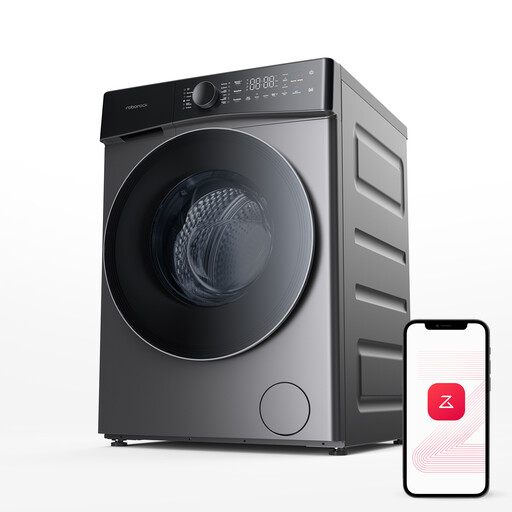 No image available
If you want to compare washing and drying loads separately, the stated capacities of 10 kg and 6 kg are useful.
10 kg washing capacity, 6 kg drying capacity; Zeo-Cycle drying technology.
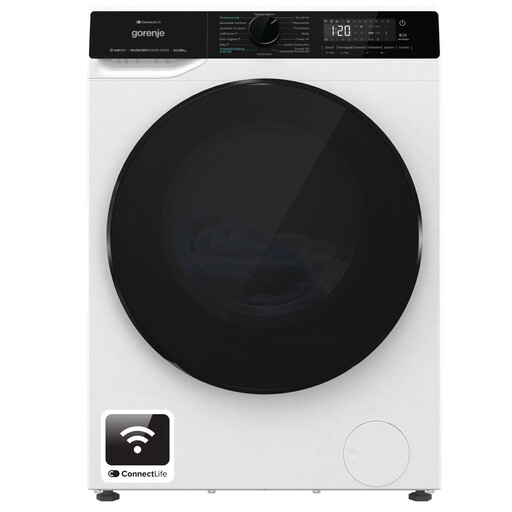 No image available
Before choosing, check that the washing and drying capacities listed for this specific model suit your tablecloth load.
The product title lists 10.5 kg and 1,400 rpm.
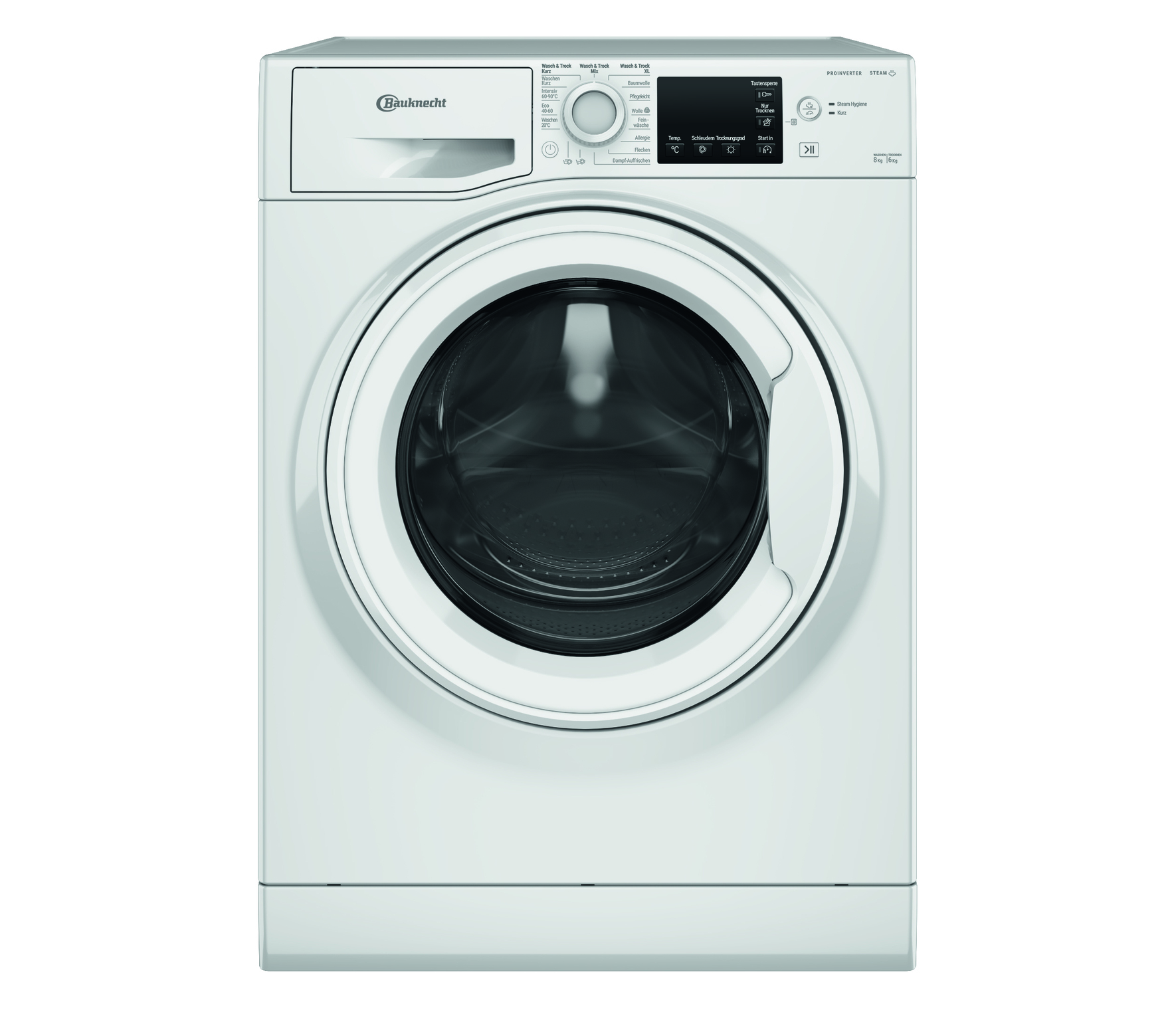 No image available
You can compare the stated drying capacity directly with the tablecloth load you have in mind.
8 kg washing capacity, 6 kg drying capacity; 1,400 rpm.
No. The fibre content alone isn’t enough to tell you. Check the drying symbol on the care label for each tablecloth, and follow any lower temperature limit or instruction not to tumble dry.
Check the dimensions of the specific model, the clearance needed for the door, and the water inlet and outlet. The manufacturer’s installation instructions can vary by model.
If you tumble dry regularly, compare the figures for the full wash-and-dry cycle. If you hang your washing up, compare the washing-only figures. A quick wash programme with a half load won’t show you how long a full wash-and-dry cycle takes for your tablecloths.
Check the separate figures for the washing cycle and the full wash-and-dry cycle. The European Commission and Your Europe explain EU energy labelling; the energy label must be clearly displayed when appliances are sold online. It’s there to help you decide, not to tell you that you must buy a particular energy efficiency class.