What should you look for when buying?
Washer-dryer
A good fit if: you want to dry tumble-dryer-safe napkins without moving them between appliances, and you have room for just one appliance.
Bear in mind: the capacity for washing and drying is often lower than the washing capacity alone. The consumption figures for a complete cycle matter too.
Washing machine with air-drying
A good fit if: you have somewhere suitable to hang your laundry, or the care labels say your napkins must not be tumble dried.
Bear in mind: you’ll need space to dry your laundry and will have to wait longer for it to dry.
Separate washing machine and tumble dryer
A good fit if: you have enough space and regularly wash larger loads, or several loads, that are suitable for tumble drying.
Bear in mind: two appliances take up space, and you’ll need to transfer the laundry from the washing machine to the tumble dryer.
| Buying priority |
What to check |
Who will find this especially important? |
| Appliance space and drying options |
Check the appliance dimensions, the route to its intended position and the space available for air-drying. |
If there’s only room for one appliance in your utility room and nowhere suitable to dry laundry, finding the right combination is especially important. Around 33% of consumers prioritise the space available for an appliance. |
| Care labels |
Check the washing symbol, maximum temperature and tumble-drying symbol on each napkin. |
If you wash different fabrics with different care instructions, you’ll want to choose the right settings for each textile. Around 27% of consumers prioritise fabric care. |
| Load size and cycle |
Compare the washing capacity and the capacity for a combined wash-and-dry cycle separately. |
If you want a load of napkins to be ready without moving it between appliances, the lower capacity for a complete cycle is what matters. Around 20% of consumers prioritise load size and cycle. |
| Consumption with regular use |
Compare electricity use per 100 cycles, as well as water consumption and capacity for each operating mode. |
If you wash and tumble dry frequently, you should take the figures for a complete cycle into account. Around 20% of consumers say running costs are their top priority. |
According to GINETEX Germany, the number inside the wash tub symbol indicates the maximum permitted washing temperature. The EU energy label for washer-dryers includes information such as electricity and water consumption, cycle duration and capacity. The figures for washing and for washing and drying should be considered separately. For an uninterrupted cycle, the drying capacity of the model you choose matters too: Bosch lists a capacity of 10,5 kg for washing and 6 kg for washing and drying for its WNG24443 washer-dryer.
Washer-dryers at Joybuy
The following washer-dryers at Joybuy are for households looking to combine washing and drying in one appliance. Always compare the stated washing capacity with the drying capacity.
 No image available
Samsung washer-dryer, 9 kg/6 kg, 1400 rpm
For households looking to combine washing and drying in one appliance. The stated washing capacity is higher than the drying capacity.
9 kg washing, 6 kg drying; AI EcoBubble; energy rating A (washing)/D (overall).
Joybuy
 No image available
Roborock Zeo Lite Grey washer-dryer, 10 kg/6 kg
For households looking to compare a washer-dryer with a higher washing capacity than drying capacity.
10 kg washing, 6 kg drying; Zeo-Cycle drying technology; LintClear system; energy rating E.
Joybuy
 No image available
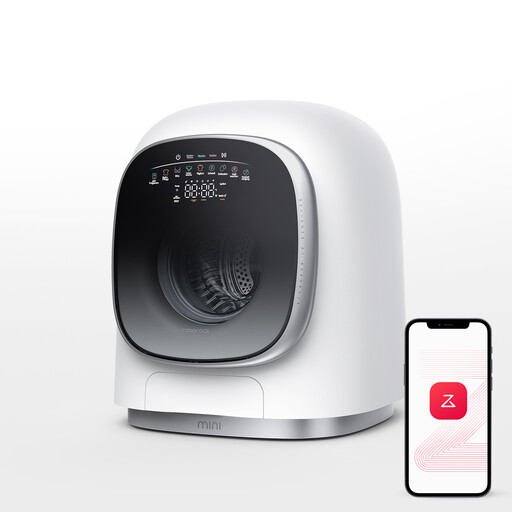
Roborock Zeo Mini Washer Dryer, 1 kg/0,5 kg
The stated capacity makes this model suitable only for very small loads. Check that your napkins’ actual weight is within the limit.
1 kg washing, 0,5 kg drying; low-temperature drying; energy rating A.
Joybuy
 No image available
Beko BM3DT4944W washer-dryer, 9 kg/6 kg
For households looking to compare a washer-dryer with a washing capacity of 9 kg and a drying capacity of 6 kg.
1400 rpm; energy rating D; SteamCure; ProSmart Inverter Motor.
Joybuy
 No image available
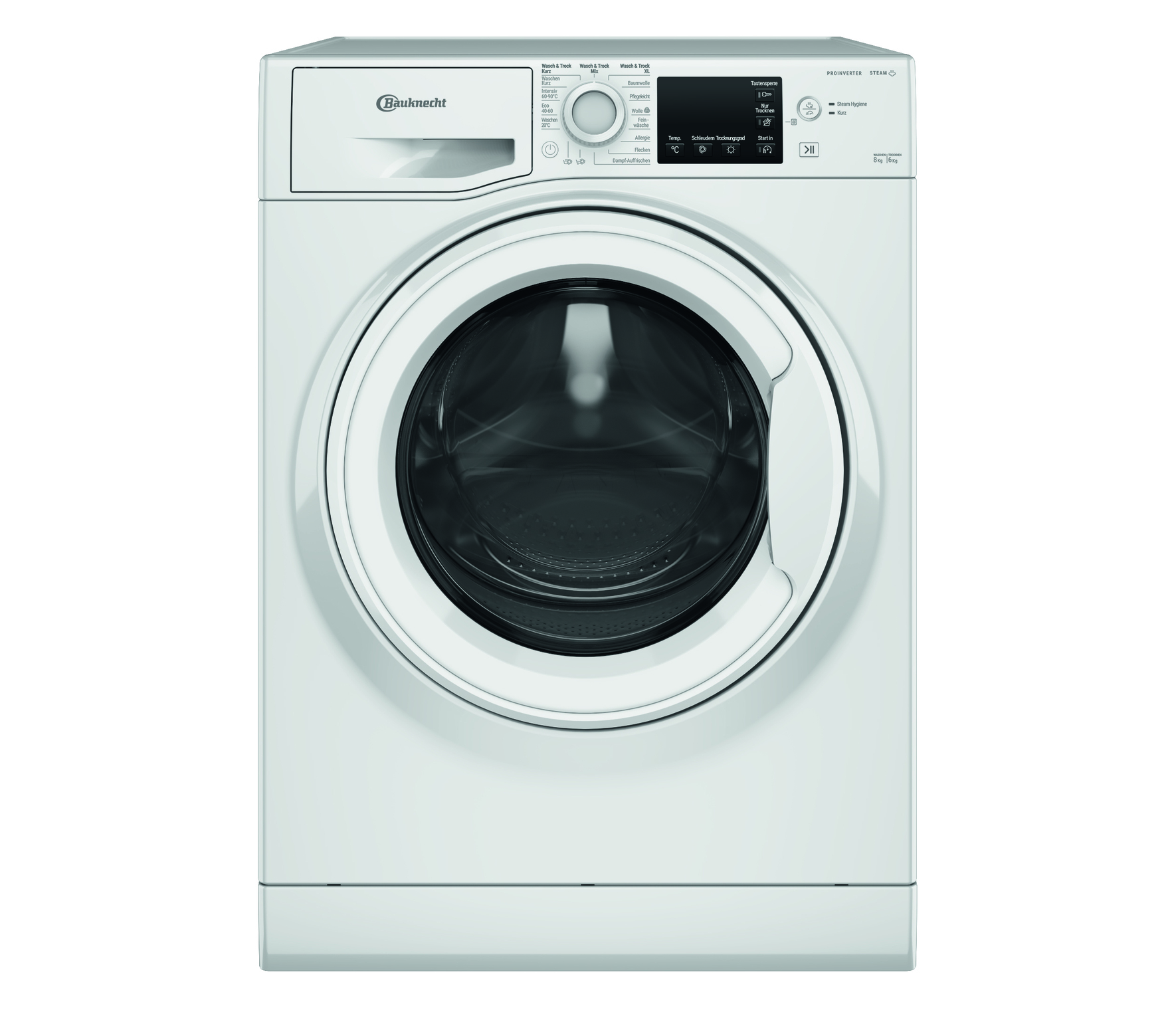
Bauknecht WD Eco Shield 8614 D, 8 kg/6 kg
For households looking to compare a washer-dryer with a washing capacity of 8 kg and a drying capacity of 6 kg.
1400 rpm; energy rating D; Stains 40° stain programme; Steam Refresh; Anti-Allergy programme.
Joybuy
Frequently asked questions
Can all fabric napkins go in the tumble dryer after washing?
No. Always follow the care label for the textile in question. The tumble-drying symbol tells you whether machine drying is permitted; a crossed-out symbol means it isn’t. Check the maximum temperature shown by the washing symbol too.
Which capacity matters if I want to wash and dry without moving the laundry?
The capacity for a complete wash-and-dry cycle is what matters. Bosch lists a capacity of 6 kg for washing and drying on the WNG24443, compared with 10,5 kg for washing alone. Check the figures separately for every other model.
What should I check before installing an appliance in my utility room?
Check the dimensions of the specific model against the space available and the route to its intended position. Use the installation instructions to check the required connections. The appliance dimensions alone won’t confirm whether it will fit through the access route or into the space you have planned.
What should I consider for fabric care and running costs?
Follow the care labels, and if you regularly tumble dry your laundry, compare the consumption figures for a complete wash-and-dry cycle. For faults or cleaning, follow the instructions for your specific model; maintenance requirements can vary from one appliance to another.
Which labels and rights are relevant when buying a new appliance in Germany?
The EU energy label for washer-dryers includes information such as energy and water consumption, cycle duration and noise levels. According to the Verbraucherzentrale, if an item you’ve bought is faulty, the retailer is generally your point of contact for your statutory rights. German regulations on electrical and electronic waste apply when disposing of old appliances. Before you buy, check the retailer’s take-back options.


