What should you look for when buying?
| Buying consideration |
What to check before buying |
Who is it most relevant to? |
| Hygienic washing that’s kind to fabrics |
Check the care label, adjustable wash temperature and specific programme instructions together. The Verbraucherzentrale recommends washing tea towels at a minimum of 60 °C. |
If I regularly include tea towels in the family wash, I want to check that the available wash programme matches their care instructions. Consumers who prioritise hygiene account for around 36%. |
| Wash and drying capacity |
Compare both capacity figures in kg for the same model, and also check any limits that apply to specific programmes. |
If I’m planning larger family loads, I want the capacity to suit the amount of laundry I actually intend to dry. Consumers who prioritise family load capacity account for around 29%. |
| Drying when space is limited |
Measure the available space and delivery route; consider whether you’ll need to machine-dry laundry regularly. |
If I only have room for one appliance but still want to machine-dry laundry, everyday practicality matters to me. Consumers whose main concern is limited space and drying account for around 21%. |
| Everyday consumption |
Look at the electricity and water figures for washing and for washing plus drying separately, and compare them with how you plan to use the appliance. |
If I can often dry laundry on the line, I want to weigh a washer-dryer’s consumption against how often I’ll really use the dryer function. Consumers who prioritise running costs account for around 14%. |
According to the European Commission, the energy label includes figures such as energy consumption per 100 cycles and water consumption per cycle. Compare like-for-like label figures, and consider whether you’ll mostly wash or regularly use the drying function too.
Washer-dryers on Joybuy
The Joybuy products below are washer-dryers for family laundry. Compare the stated wash and drying capacities separately, and for tea towels also check that the wash programme is suitable and matches the care label.
 No image available
LG WT1210WWF washer-dryer, 12 kg washing / 10 kg drying
For larger family loads when you need one appliance for both washing and drying.
Listed specifications include a 12 kg wash capacity, a 10 kg drying capacity and Dual-Inverter heat-pump technology. For continuous cycles, the lower drying capacity is the key figure; check separately that the wash programme is suitable for your tea towels.
View on Joybuy
 No image available
Roborock Zeo Lite Grey washer-dryer, 10 kg washing / 6 kg drying
For family laundry when you want one appliance to wash and dry.
The product title lists a 10 kg wash capacity, a 6 kg drying capacity and Zeo-Cycle drying. Plan continuous wash-and-dry cycles around the lower figure, and check that the wash programme is suitable for tea towels.
View on Joybuy
 No image available
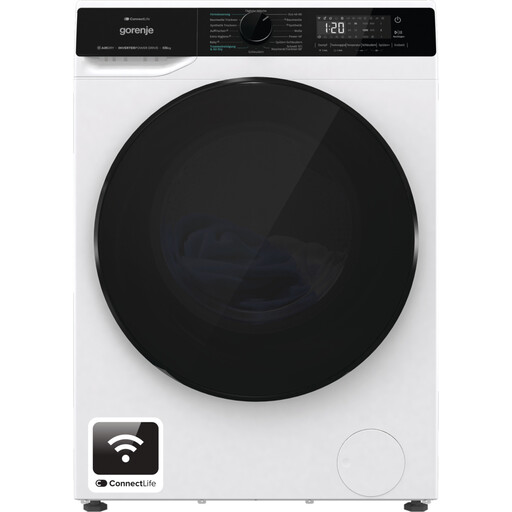
Gorenje WD2PA854ADW washer-dryer, 8 kg washing / 5 kg washing and drying
For households that want to plan separately for the stated wash load and the smaller capacity for a continuous cycle.
The product description lists an 8 kg wash capacity, a 5 kg capacity for washing and drying, and 16 programmes. Check the instructions to find a wash programme that suits your tea towels and their care label.
View on Joybuy
 No image available
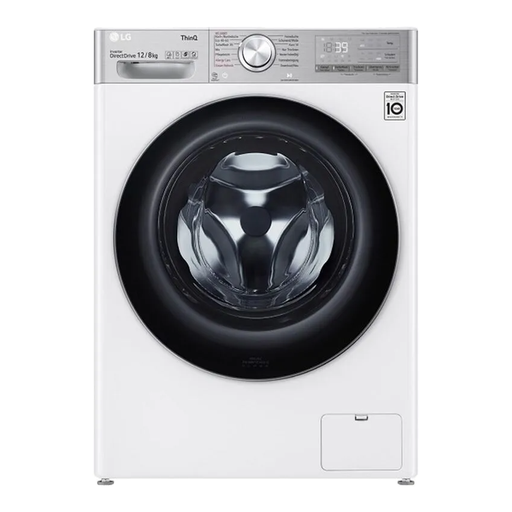
LG V9WD128H2 AI DD washer-dryer, 12 kg washing
For larger wash loads when you’re looking for a washer-dryer.
The product title lists a wash capacity of 12 kg. Before starting a continuous wash-and-dry cycle, check the model’s drying capacity and which wash programme is suitable for your tea towels.
View on Joybuy
 No image available
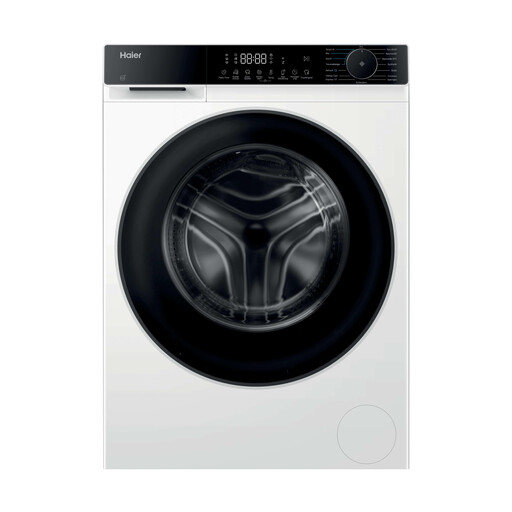
Haier X5 Series HWD120-BP14357U1 washer-dryer, 12 kg washing / 8 kg drying
For larger family loads when you want one appliance to handle both washing and drying.
The product title lists a 12 kg wash capacity and an 8 kg drying capacity. For a continuous cycle, the lower drying capacity is the key figure; also check that the wash programme is suitable for tea towels.
View on Joybuy
Frequently asked questions
Is ‘Eco 40–60’ proof that tea towels will be washed at 60 °C?
No, the programme name alone doesn’t confirm that the wash will be at 60 °C. The European Commission describes Eco 40–60 as a programme for normally soiled cotton items labelled as suitable for it; also check your tea towels’ care labels and the available temperature settings in the appliance instructions.
What should I check if the laundry is still damp after drying?
First check the programme’s permitted drying load, the spin cycle and the drying level selected. AEG also lists leaving the tap open for conventional washer-dryers and checking the fluff filters on heat-pump models; the instructions for your specific model are the key reference.
What should I consider when arranging delivery, installation and disposal?
Before ordering, check the appliance dimensions, delivery route, connections and agreed installation service. The Umweltbundesamt explains that large old appliances in Germany must not be put in household waste. When buying a new appliance of the same type, you can also return the old one free of charge when it is delivered, including with online purchases; additional services such as dismantling are separate.
What legal rights do I have if a new appliance is faulty in Germany?
Under § 438 BGB, the standard limitation period for claims relating to defects is two years from delivery. For remedies, § 439 BGB generally provides for repair or replacement; this is separate from any voluntary manufacturer’s guarantee.
What information does the EU energy label provide for washer-dryers?
The EU energy label gives separate consumption figures for washing and for washing plus drying. The European Commission also lists information such as electricity consumption per 100 cycles, water consumption per cycle and noise levels. Compare like-for-like figures, and remember that these details don’t indicate whether a wash programme is suitable for your fabrics.


