People with a limited laundry time slot
If you share access to the washing machine, the length of the full wash-and-dry cycle for your intended load matters. A quick-wash time won’t tell you when your pillowcases will be dry.


A washer-dryer can be a practical choice when space is limited, provided the care label says your pillowcases are suitable for tumble drying and the full wash-and-dry cycle fits into the time slot you share. Compare the total cycle time and the drying capacity for the load you plan to wash — a short wash time alone won’t tell you when the pillowcases will be dry. If you have room to air-dry them or to install two separate appliances, those options are worth considering too.
If you share access to the washing machine, the length of the full wash-and-dry cycle for your intended load matters. A quick-wash time won’t tell you when your pillowcases will be dry.
A washer-dryer combines washing and drying in one appliance. Whether it works for your daily routine also depends on its drying capacity and whether the care label says your pillowcases can be tumble-dried.
If you have other laundry to do in the same time slot, factor in the lower drying capacity and the possibility that the appliance will be in use for longer.
A good fit if: you don’t have a suitable place to dry laundry and the full cycle fits into your shared schedule.
The trade-off: Drying capacity may be lower than washing capacity. The Verbraucherzentrale also points out that washer-dryers use more electricity and water than separate appliances.
A good fit if: only the wash cycle needs to fit into your shared time slot and you have somewhere to dry the laundry afterwards.
The trade-off: The washing machine is free once the wash is done, but drying still takes time and space.
A good fit if: you have room for both appliances and regularly need to do additional loads of laundry.
The trade-off: You’ll need suitable space for two appliances, and the care labels on your pillowcases still determine whether they can go in the tumble dryer.
When you share a laundry schedule, consider the cycle time for a suitable load, how much laundry can be dried without transferring it to another appliance, and whether you have space to dry it. EU energy labels show figures for wash-only cycles and full wash-and-dry cycles separately, so make sure you compare the same type of cycle.
| What matters when buying | What to check | Who is this important to? |
|---|---|---|
| Cycle time | Check that the total wash-and-dry time for your intended load fits into the time slot available. | If I need the pillowcases ready before my next reserved slot, the full cycle time is what matters. Around 36% of consumers say the time slot is their top priority. |
| Drying capacity | Compare your planned load with the stated wash-and-dry capacity, not just the washing capacity. | If I want to dry pillowcases with other laundry in one cycle, the lower capacity needs to be enough for the load. Around 29% of consumers prioritise a washer-dryer with enough capacity for a combined load. |
| Installation and drying space | Check the appliance dimensions and installation location, and consider whether air-drying or a second appliance is an option. | If I don’t have a suitable place to dry laundry, one appliance for both stages could make everyday life easier. Around 21% of consumers say a lack of drying space is their main concern. |
| Running costs | Compare energy and water use separately for full wash-and-dry cycles and wash-only cycles. | If running costs are especially important to me, I also want to consider whether washing and then air-drying could work for me. Around 14% of consumers prioritise running costs. |
Bosch lists the WNG24443 as having a washing capacity of 10.5 kg, but a capacity of 6 kg for washing and drying in one cycle. So if you want to run a load without transferring it, the stated combined capacity is the figure to check.
Compare your intended total load with the wash-and-dry capacity.
A stated wash time doesn’t automatically include the subsequent drying stage. LG specifies that the W4WR7096YB has a 39-minute wash programme for a half load; this doesn’t tell you how long a full wash-and-dry cycle will take.
Check the total cycle time for the right load size and programme.
The Verbraucherzentrale notes that washer-dryers use more electricity and water than separate appliances. The specific model’s figures and how you plan to use it are key to making a comparison.
Compare figures for the same type of cycle and consider how often you plan to tumble-dry your laundry.
The 9000 Series includes the L9WEF80690, a heat pump washer-dryer with a washing capacity of 9 kg and a drying capacity of 6 kg.
The W4WR7096YB is listed with a washing capacity of 9 kg and a drying capacity of 6 kg.
The WNA14441 and WNG24443 differ in their stated drying capacities: 5 kg and 6 kg respectively.
The WN54C2070 is listed with a washing capacity of 9 kg and a wash-and-dry capacity of 6 kg, and measures 848 × 598 × 622 mm.
The WD8ETA049BX/EG is listed with a washing capacity of 8 kg and a drying capacity of 5 kg.
This selection includes washer-dryers for a complete wash-and-dry cycle, as well as a set of separate appliances. For each model, check that the capacity suits your load, the cycle fits into your available time and you have a suitable place to install it.
 No image available
For a combined wash-and-dry cycle; the stated drying capacity limits the load that can be dried without transferring it.
Listed in the product name: Zeo-Cycle drying and LintClear self-cleaning.
Only tumble-dry pillowcases if their care label says it’s suitable.
 No image available
For anyone planning to wash and dry in one appliance and wanting to check that the stated combined capacity suits their load.
Listed in the product name: Dual Inverter heat pump, AI DD, TurboWash 360°, steam function, Wi-Fi and ThinQ app.
Only tumble-dry pillowcases if their care label says it’s suitable.
 No image available
Separate appliances are an option if you have a suitable place to install both the washing machine and tumble dryer.
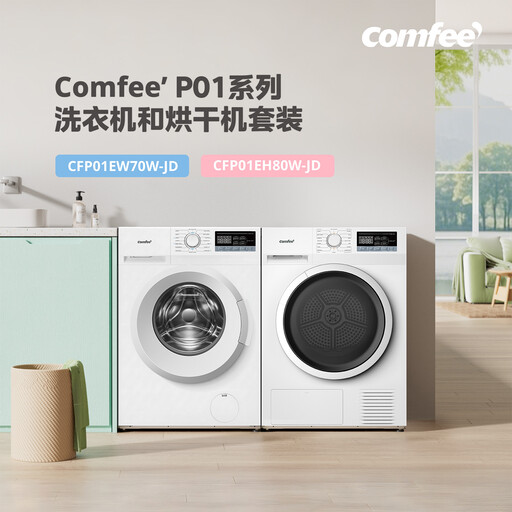
The set includes a washing machine and a heat pump tumble dryer.
Only tumble-dry pillowcases if their care label says it’s suitable.
 No image available
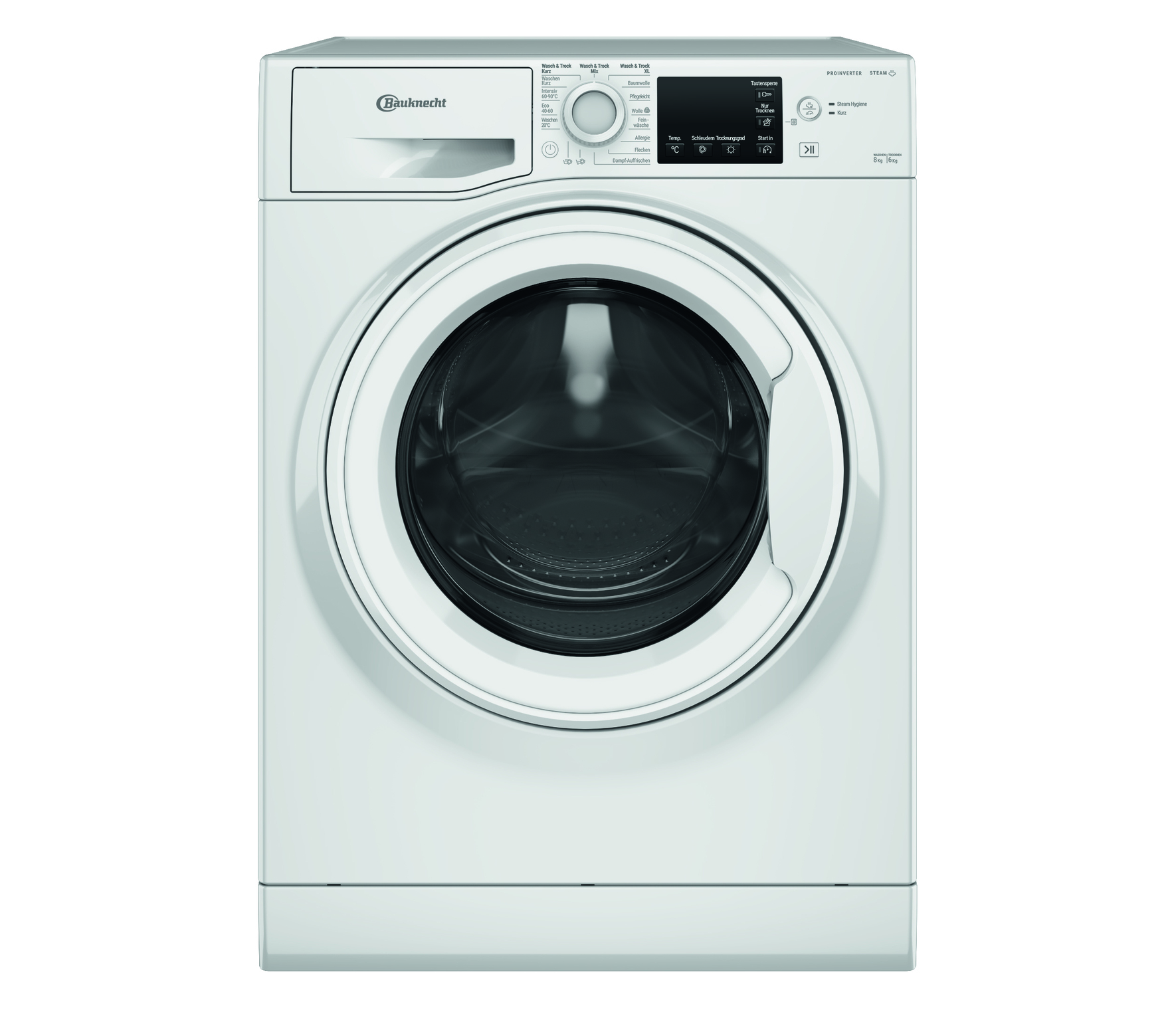
For a combined wash-and-dry cycle, provided your intended load is within the stated drying capacity.
Listed in the product name: 1,400 rpm and energy efficiency class D.
Only tumble-dry pillowcases if their care label says it’s suitable.
 No image available
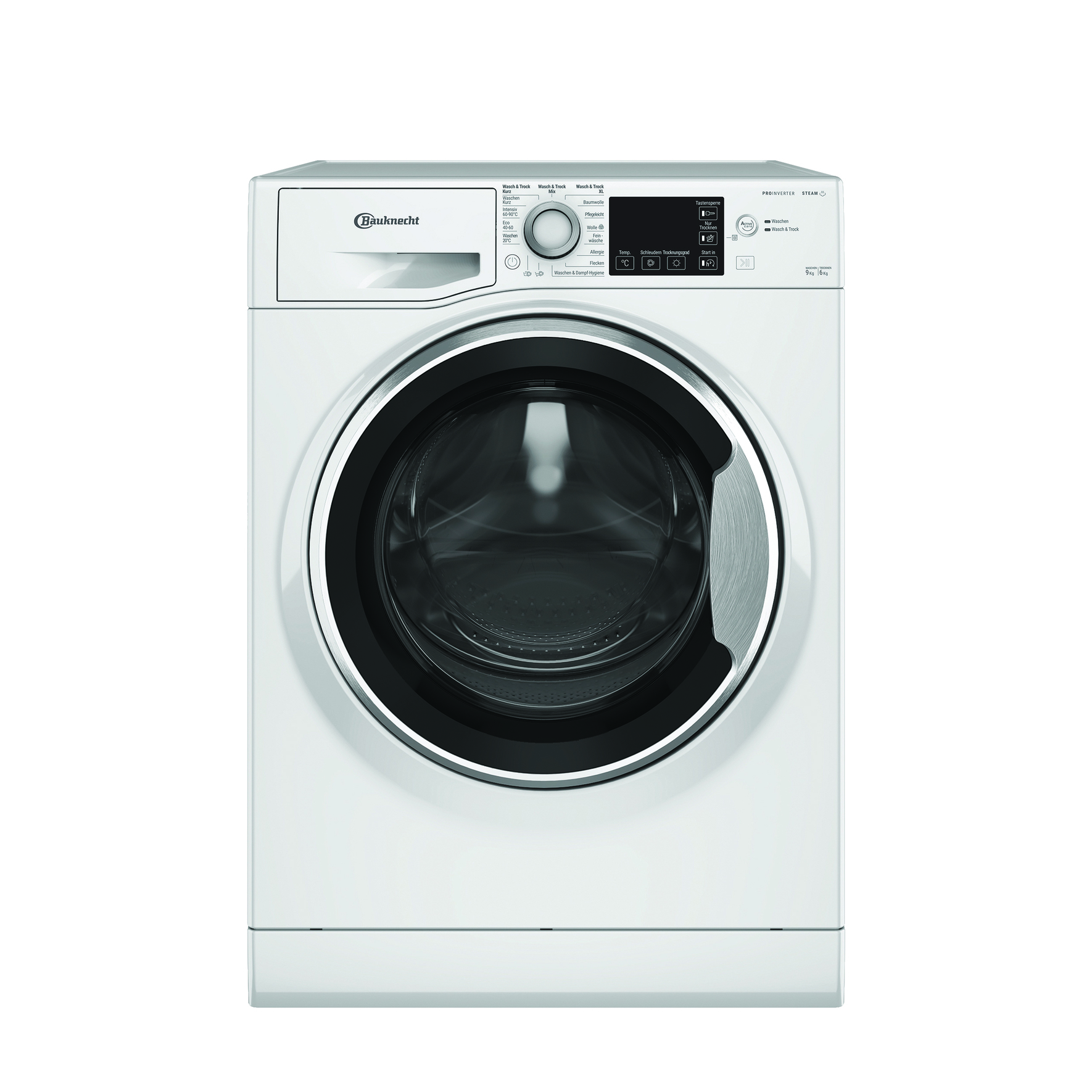
For anyone planning a wash-and-dry cycle and sizing their load to the stated drying capacity.
Listed in the product name: 1,400 rpm and energy efficiency class D.
Only tumble-dry pillowcases if their care label says it’s suitable.
No. Choose the wash programme and temperature, and decide whether to tumble-dry the pillowcase, according to its care symbols. A steam or hygiene programme doesn’t replace checking the label.
Compare the total time for your chosen wash-and-dry cycle and intended load with the time you have available. A quick-wash time on its own isn’t enough.
They refer to different programmes: the full wash-and-dry cycle and the wash-only cycle. Compare figures for the same type of cycle. To estimate your own costs, you’ll also need your electricity tariff and expected usage.
Remove the pillowcases from the drum when the programme ends rather than leaving damp laundry inside until the next wash. Also follow the instructions for your model on load limits and care.
Before installing it, check with your landlord that you’re allowed to have the appliance in your home. The Verbraucherzentrale also recommends discussing this to help prevent possible water damage. The location and connections must be suitable for the appliance.