What should you look for when buying one?
Washer-dryer for occasional drying
A good fit if: there’s only room for one appliance and you want to machine-dry suitable socks occasionally.
Consider: checking the washing and drying capacities, along with the duration and consumption of a complete programme.
Washing machine with air-drying
A good fit if: your shared house has a suitable place to dry clothes and you don’t need a continuous wash-and-dry cycle.
Consider: drying takes up space and time; if you dry clothes indoors, ventilation and heating are important.
Separate washing machine and tumble dryer
A good fit if: there’s enough space and suitable connections for two appliances, and you machine-dry clothes frequently.
Consider: two appliances take up more space; compare the consumption figures for the specific appliances and programmes.
For cotton socks in a shared house, the key considerations are space, sharing the appliance, consumption and care labels. The Verbraucherzentrale highlights the space-saving benefit and resource consumption of washer-dryers, while GINETEX explains the meaning of care symbols.
| Consideration |
What to check when buying |
Who will find this especially important? |
| Space and drying needs |
Check the appliance dimensions, including the space needed for connections, as well as the available connections and drying space. |
If I share the laundry area and have very little room for drying, I want to know whether I really need the drying function. Around 31% of consumers focus on available space and their actual drying needs. |
| How long the appliance is in use |
Compare the duration of a complete programme and its maximum load with the shared-house laundry rota. |
If several housemates use the same appliance, I want to know how long a complete cycle ties up the laundry area. Around 31% of consumers prioritise how long a shared appliance is in use. |
| Electricity and water consumption |
Compare EU energy label figures for similar programmes on the same basis, and take into account how you plan to use the washing and wash-and-dry programmes. |
If I wash and dry frequently, I want to understand the consumption figures for the way I actually plan to use the appliance. Around 23% of consumers focus primarily on running costs. |
| Sock care |
Check the recommended washing temperature and tumble-drying symbol on the labels; sort laundry by care requirements and colour. |
If the socks in our shared house have different care labels, I want to choose the right treatment for each pair. Around 15% of consumers focus on caring for the specific items they wash. |
Joybuy products for washing and drying
This selection includes washer-dryers and options with separate washing machines and tumble dryers for shared laundry.
 No image available
LG WT1210EGF WashTower, 12 kg washing, 10 kg drying
For a shared house looking to use a washing machine and tumble dryer as separate appliances in a WashTower.
12 kg washing capacity and 10 kg drying capacity; heat pump tumble dryer.
Joybuy
 No image available
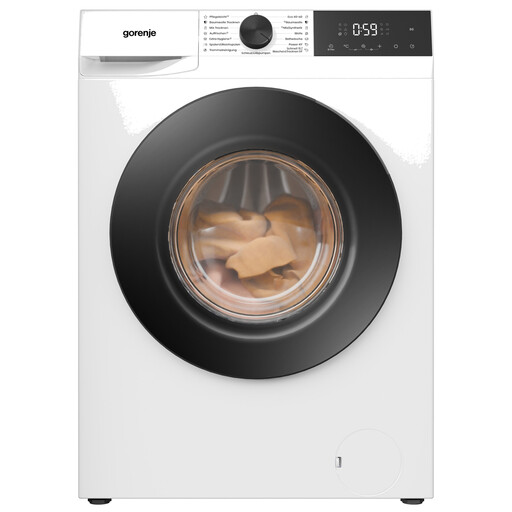
GORENJE WD5G2P1174A2DP2 washer-dryer, 11 kg/7 kg
For a shared house looking to combine washing and drying in one appliance.
11 kg washing capacity and up to 7 kg drying capacity.
Joybuy
 No image available
LG WT1210WWF front-loading washer-dryer, 12 kg/10 kg
For a shared house looking for a front-loading appliance with washing and drying functions.
12 kg washing capacity and 10 kg drying capacity; Dual Inverter heat pump.
Joybuy
 No image available
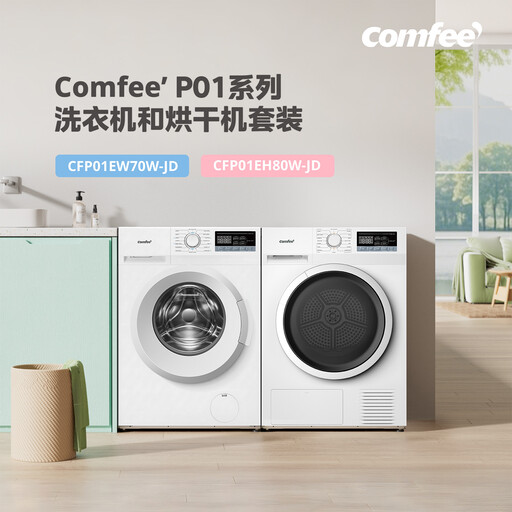
Comfee CFP01EW70W-JD washing machine and CFP01EH80W-JD heat pump tumble dryer
For a shared house that can organise washing and drying with separate appliances.
The product name lists a washing machine and a heat pump tumble dryer.
Joybuy
 No image available
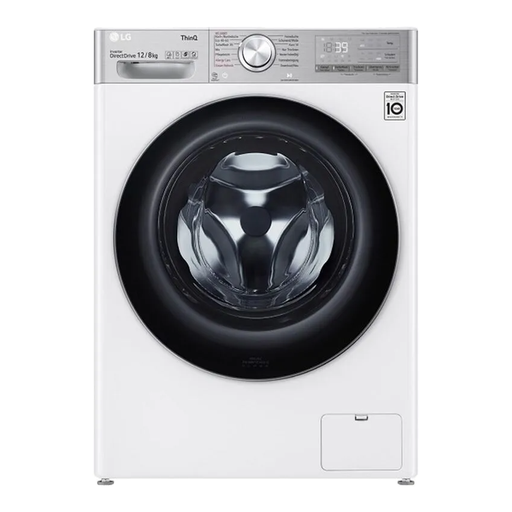
LG V9WD128H2 AI DD washer-dryer, 12 kg
For a shared house looking for one appliance with washing and drying functions.
The product name lists AI DD and 12 kg.
Joybuy
Frequently asked questions about washer-dryers in shared houses
Can all cotton socks go in the tumble dryer after washing?
No. You can’t tell from the material description “cotton” alone. Check the maximum washing temperature and tumble-drying symbol on each sock’s label; a crossed-out tumble-dryer symbol means it isn’t suitable for machine drying.
What should we agree on before installing and sharing an appliance?
Check the dimensions and connections for the specific model, and agree on when everyone can use it. In a rented home, the Verbraucherzentrale recommends discussing the installation and protection against water damage with your landlord; this doesn’t mean that permission is always required for every washing machine.
How should we care for socks washed together?
Sort socks by colour, how soiled they are and their maximum permitted washing temperature. Follow the detergent manufacturer’s dosing instructions, taking the load and water hardness into account. GINETEX recommends storing dirty laundry somewhere dry and well ventilated.
Which consumption figures should I compare when buying?
Compare the label figures for the operating modes you actually plan to use, and make sure they’re based on the same measure. If you dry clothes regularly, look at the figures for a complete wash-and-dry cycle, not just washing alone.
Does an energy label have to be visible when buying online?
For appliances covered by EU energy labelling rules, the label must also be displayed clearly when sold online. Regulation (EU) 2019/2014 governs the energy labelling of household washer-dryers; check the label and product information sheet for the specific listing.


