What should your housemates look out for?
Verbraucherzentrale points out that a washer-dryer’s drying capacity may be lower than its wash capacity. The European Commission’s EU label shows separate consumption figures for different operating modes.
| Consideration |
What to check before buying |
Who is this most relevant to? |
| Space and drying |
Appliance dimensions, including the space needed for connections; whether towels can be dried elsewhere. |
If there’s no suitable drying space in our shared house, the appliance needs to fit where we plan to put it. Around 33% of interested shoppers are likely to prioritise available space. |
| Drying capacity and time in use |
Compare wash and drying capacity separately; check the length of the combined cycle. |
With towels from several housemates, I want to avoid having a wash load that exceeds the amount the appliance can dry. Around 27% of interested shoppers are likely to prioritise load throughput. |
| Energy and water consumption |
Compare the EU label figures for wash cycles and combined wash-and-dry cycles on a like-for-like basis. |
If towels are often machine-dried, I want to compare consumption figures for exactly that kind of use. Around 20% of interested shoppers are likely to prioritise consumption. |
| Towel hygiene |
Follow care labels and choose suitable wash programmes; distinguish routine laundry care from precautions during an infectious illness. |
In a shared house, I want to care for towels in a way that suits the situation and take different precautions during an infectious illness. Around 20% of interested shoppers are likely to place particular importance on hygiene that suits the circumstances. |
Product options at Joybuy
The product options below include washer-dryers, a separate washing machine and tumble dryer set, and a compact appliance for small loads.
 No image available
LG WT1210EGF WashTower
This WashTower combines a washing machine and tumble dryer, making it an option for households that want to use both appliances together.
The product details list a 12 kg wash capacity, a 10 kg drying capacity and a heat pump tumble dryer.
View at Joybuy
 No image available
LG WT1210WWF
A washer-dryer that washes and dries in one appliance is worth considering if you don’t have space for a separate tumble dryer.
It’s listed with a 12 kg wash capacity, a 10 kg drying capacity and a heat pump tumble dryer. The product description gives separate energy ratings for the wash and wash-and-dry cycles.
View at Joybuy
 No image available
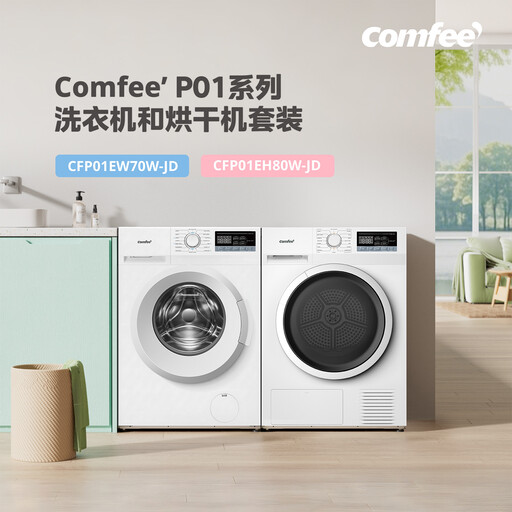
Comfee' CFP01EW70W-JD and CFP01EH80W-JD
This set consists of a separate washing machine and heat pump tumble dryer, rather than a washer-dryer, so make sure you have room for both appliances.
The washing machine is listed with a 7 kg capacity and a depth of 400 mm; the tumble dryer has an 8 kg capacity.
View at Joybuy
 No image available
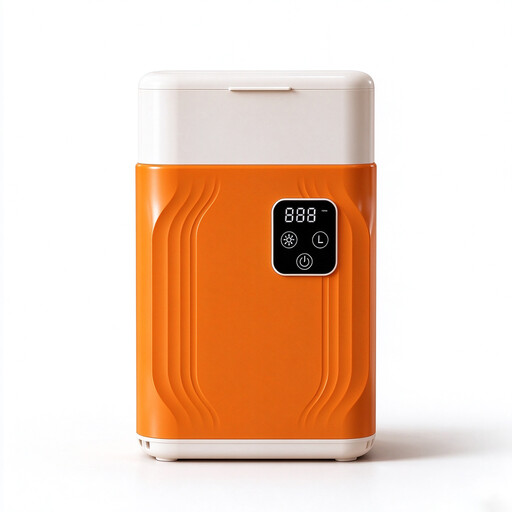
Foldable mini washing machine HB-222
This compact appliance is designed for small loads, so it’s only suitable if your towels will fit in the stated small load.
The specifications list a 12-litre capacity and a wash capacity of up to 1,5 kg, as well as a 3-in-1 design.
View at Joybuy
 No image available
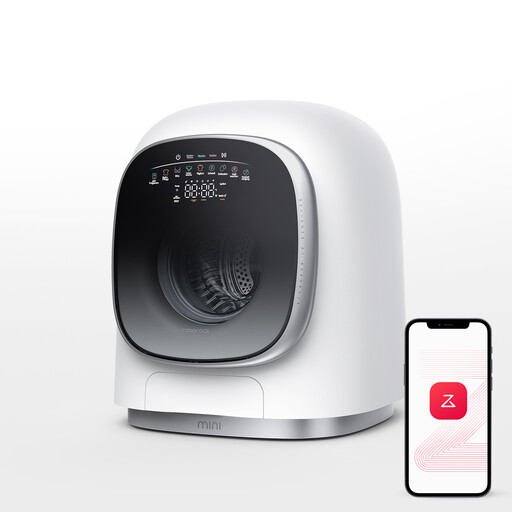
Roborock Zeo Mini
This mini model is only suitable for a shared house if its small wash and drying loads are enough for the amount of towels you actually have.
It’s listed with a 1 kg wash capacity and a 0,5 kg drying capacity. The product title also mentions low-temperature drying and more than 20 programmes.
View at Joybuy
Frequently asked questions
Do towels in a shared house always need to be disinfected or boiled?
No. For routine laundry in a healthy private household, the Umweltbundesamt doesn’t say that disinfection or a boil wash is necessary. During an infectious illness, it recommends additional measures to help prevent transmission, including using separate towels; washing at a higher temperature may also help. If someone is at particular risk, seek medical advice about the situation.
What should I check before installation and the first use?
Check that the appliance’s dimensions and connections are suitable for the space, and follow the instructions for your specific model when installing it, connecting it and removing the transit bolts. The Bosch instructions for the WNC244070 cover these steps, but its dimensions don’t automatically apply to other appliances.
What do the two capacity and consumption figures on the EU label mean?
The EU label distinguishes between washing and the combined wash-and-dry cycle. Compare the capacity that suits how you’ll use the appliance, as well as energy consumption per 100 cycles and water consumption per cycle. A larger wash load won’t necessarily be dryable in a single cycle.
Are a manufacturer’s guarantee and statutory rights the same thing?
No. If a product is faulty, your statutory rights are against the seller; a guarantee is a voluntary promise with its own terms. Verbraucherzentrale explains the difference. Also check in advance what delivery and installation have been agreed for your address and the specific model.
Can an old large appliance go in household waste, and can it be returned when buying a new one?
No. Old electrical appliances must be collected separately. The Umweltbundesamt says you can return a large old appliance free of charge when buying a new appliance of the same type, including for online purchases with delivery. Check in advance how returns will be handled as part of your specific delivery.


