If you don’t have a suitable place to dry clothes
If hanging up your pyjamas isn’t practical and you only have room for one appliance, the dimensions, connections and drying capacity are especially important.


A washer-dryer can be a practical choice for a small flat if you don’t have a suitable place to dry clothes or room for two appliances, and the load fits the machine’s smaller drying capacity. The Consumer Advice Centre points out that washer-dryers can use more electricity and water than separate appliances. If the care label says your pyjamas can be air-dried and you have space to do so, air-drying uses less energy. Before deciding, check the installation space, both capacity figures, the care symbols and the consumption figures for each operating mode.
If hanging up your pyjamas isn’t practical and you only have room for one appliance, the dimensions, connections and drying capacity are especially important.
If you can hang some laundry out to dry but would occasionally like to use a machine, check the care symbols and consumption figures for both operating modes.
If the appliance needs to fit into an alcove, consider more than just its dimensions: check the door clearance, connections and the right type of appliance, whether freestanding or built-in.
A good fit if: You don’t have a suitable place to dry clothes or room for two appliances, and the load fits the drying capacity.
Consider: The Consumer Advice Centre notes that washer-dryers may use more electricity and water than separate appliances.
A good fit if: The care symbols allow air-drying and you have a suitable place to do so.
Consider: You’ll need space and time to dry your laundry. If you dry it indoors, good ventilation and heating are important. The Federal Environment Agency describes air-drying as an energy-efficient method.
A good fit if: You have space for both appliances and regularly want to tumble-dry larger loads.
Consider: The two appliances take up more space. Only compare consumption figures for similar models and operating modes.
In a small flat, the first things to consider are where you’ll put the appliance and how you’ll dry your laundry. The Consumer Advice Centre and the Federal Environment Agency distinguish between combined use and air-drying. The points below will help you match the appliance’s features to your pyjamas and the space you have.
| Consideration | What to check when buying | Who it matters most to |
|---|---|---|
| Space and appliance type | Alcove, door clearance, water and waste connections; freestanding appliance or built-in model. | If I only have a tight space, the appliance, door and connections all need to fit. For around 33 % of consumers, available space is the top priority. |
| Washing and drying capacity | Compare both capacities in kg for the same model, as well as the limit for the programme you choose. | If I want my pyjama load to go through without removing some of it, I’ll use the drying capacity as my guide. Around 27 % of consumers prioritise completing a full wash-and-dry cycle in one go. |
| Looking after your pyjamas | Check the wash and drying symbols on each item, including temperature limits and any ban on tumble-drying. | If I want to tumble-dry cotton pyjamas, I’ll check their specific care symbols first. For around 20 % of consumers, fabric care is their main concern. |
| Consumption and noise | Compare kWh per 100 cycles separately for washing and washing plus drying; also check water use, programme duration and spin noise. | If I want to keep an eye on everyday consumption and noise in my flat, I’ll compare the figures for both operating modes. Around 20 % of consumers prioritise consumption and noise. |
For the models listed here, the stated drying capacity is lower than the washing capacity. So a full wash load won’t necessarily fit in the same wash-and-dry cycle.
If you want a load to dry without interruption, plan it around the drying limit and the specific programme.
The fabric alone doesn’t determine whether a pyjama can be tumble-dried. GINETEX distinguishes between different drying temperatures and an explicit ban on tumble-drying.
Check the wash and drying symbols on each pair of pyjamas before combining wash and drying programmes.
Consumption for a complete wash-and-dry cycle differs from the figure for washing alone. The Federal Environment Agency explains energy labels for washing machines and washer-dryers.
Compare figures for the same operating mode on the label, and check whether they’re given per 100 cycles.
The appliance dimensions don’t automatically include the space needed to open the door and access the connections. Built-in and freestanding models need different installation arrangements.
Check the full installation plan against the alcove, door clearance and existing connections.
The freestanding WNA14441 is worth comparing if you have an alcove to measure carefully and mainly need to dry smaller loads in one go.
The L9WEF80690 and LWR8WI7680 models offer different appliance types and configurations.
The freestanding W4WR7096YB is worth comparing if its dimensions and programmes suit your flat and laundry.
The freestanding WDW 85141 Steam has an 8/5 kg configuration to consider if space is limited.
This selection includes washer-dryers for combined washing and drying, including a built-in model, as well as a foldable mini washing machine with a drying function. Before you buy, check that the capacities, appliance type and dimensions suit your needs.
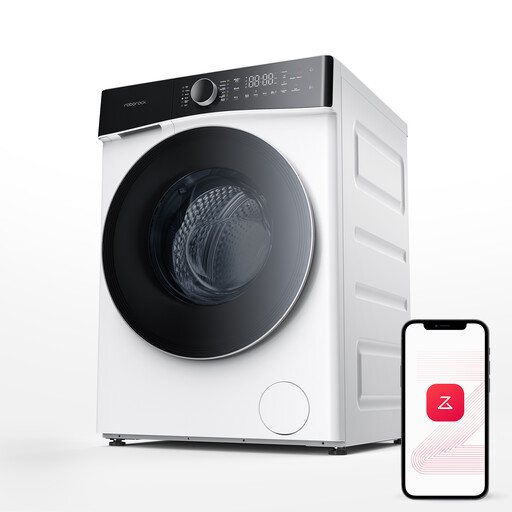 No image available
The separate capacity figures make it easier to match your wash load to the amount you want to dry afterwards.
Washing: 10 kg. Drying: 6 kg.
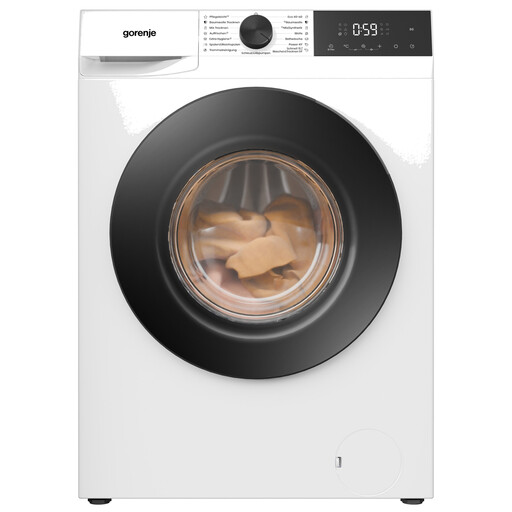 No image available
The separate capacities matter if you want to wash a load and then tumble-dry it.
Washing: 11 kg. Drying: 7 kg.
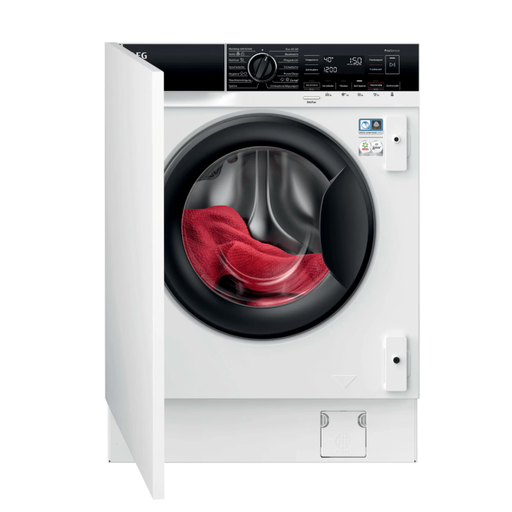 No image available
This built-in model is only suitable if your existing alcove is right for this type of installation.
Washing: 8 kg. Drying: 4 kg. Built-in appliance.
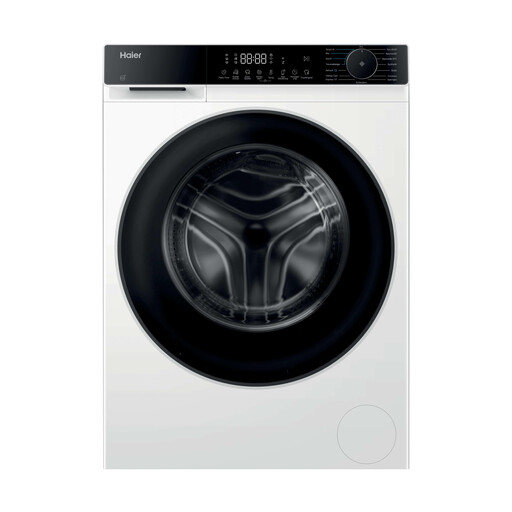 No image available
Check the appliance dimensions before planning to fit this model into an alcove in a small flat.
Washing: 12 kg. Drying: 8 kg. Appliance dimensions: 85 × 60 × 67 cm.
 No image available
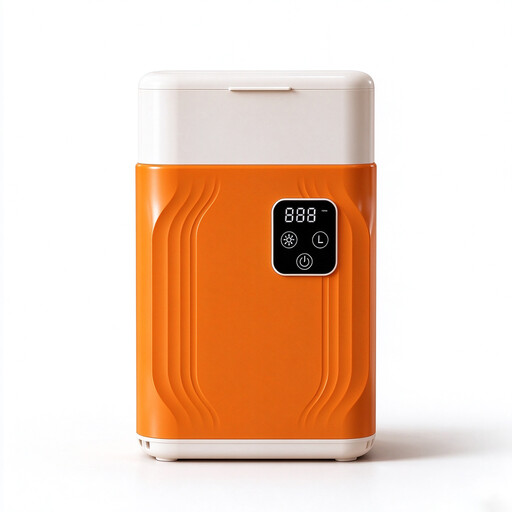
This compact, foldable design is intended for very small loads. Check that it suits your pyjamas and drying needs before buying.
Washing capacity: up to 1,5 kg or 12 l. Check the drying capacity for the load you want to dry before buying.
No. The drying symbol on the specific pair of pyjamas is what matters. GINETEX distinguishes between normal and lower drying temperatures, as well as an explicit ban on tumble-drying. The number in the wash symbol is also a maximum temperature, not a blanket recommendation for cotton.
If you want to tumble-dry the load straight after washing and it exceeds the drying capacity, you’ll need to remove some of it. For example, Bosch lists a 9 kg washing capacity for the WNA14441, but a capacity of 5 kg for washing and drying. Also check the limit for the programme you choose.
Measure the space, including door clearance and the area around the connections, and check the water supply and waste pipe arrangements. The Consumer Advice Centre recommends discussing the installation and risk of water damage with your landlord.
Compare the kWh figures for the same operating mode on the EU label: washing alone or a complete wash-and-dry cycle, in each case per 100 cycles. Your actual everyday consumption also depends on the operating mode you choose and how often you tumble-dry.