A washer-dryer could suit you if you regularly wash small loads of napkins, provided the care label says they can be tumble dried, the combined programme can handle the load and you have little space for drying. First, check the load limit and duration of the complete wash-and-dry cycle. The Verbraucherzentrale notes that washer-dryers use more electricity and water than separate washing machines and tumble dryers. If air-drying is practical, weigh up that option too.
Who might benefit from a washer-dryer?
Households that often wash small loads
If you often wash small quantities of table napkins, check whether a suitable combined programme will have them ready again within the time you have available. Bosch lists a Wash & Dry 60' programme for small loads on the WNA13441 model. Whether it is suitable in practice depends on the fabric, programme limit and care label.
Households with different types of fabric
For delicate, different-coloured or stained napkins, the care label, washing temperature and permitted drying method all matter. GINETEX Germany explains that care symbols indicate the maximum permitted level of treatment.
Households short on drying space
If you don’t have much room to hang laundry, having a drying function in the same appliance can be convenient. Compare the consumption for the programme you actually plan to use: the Verbraucherzentrale notes that washer-dryers use more electricity and water than separate washing machines and tumble dryers.
What should you look for when buying?
First, check that the care labels allow your napkins to be tumble dried. Then compare combined programmes, consumption and space requirements to find an option that suits your routine.
Washer-dryer
A good fit if: You have little space for drying and your napkins fit within the load limit of a suitable wash-and-dry programme.
What to consider: A short wash doesn’t necessarily mean a short, complete drying cycle. Check the programme duration and consumption for both stages.
Wash and air-dry
A good fit if: You have space to hang laundry, or the care label doesn’t allow machine drying.
What to consider: You’ll need time and space to dry your laundry, but you won’t need to run a machine drying cycle.
Separate washing machine and tumble dryer
A good fit if: You regularly want to machine-dry other laundry as well as napkins, and have space for two appliances.
What to consider: Two appliances take up more floor space, and you’ll need to transfer the laundry between them. The Verbraucherzentrale considers the consumption of combined appliances less favourable than that of separate appliances.
| What matters to you |
What to check before buying |
Who should pay particular attention |
| Getting small loads finished on time |
Check the load limit and duration of the complete wash-and-dry programme in the manual for the specific model. Check washing and drying capacities separately. |
If you often need small loads, you’ll want your napkins ready again without a long wait. Around 36% of consumers would therefore prioritise the duration and load limit of a complete small-load cycle. |
| Treating stains and fabrics appropriately |
Check care labels and the permitted drying method. Sort napkins according to their care instructions and pre-treat stains if needed. |
If your napkins are different colours or delicate, you’ll want to treat stains without ignoring the care labels. Around 29% of consumers would put fabric-appropriate care first. |
| Consumption with frequent cycles |
Compare electricity and water figures on the EU energy label separately for washing and for washing and drying. The European Commission explains the separate figures; the Verbraucherzentrale notes the higher consumption of washer-dryers compared with separate appliances. |
If you plan to use the appliance often, you’ll want to compare consumption for the programme you expect to use most. Around 21% of consumers would prioritise running costs above all else. |
| Appliance and drying space |
Check the appliance and installation dimensions, door opening and connections against the installation instructions for the specific model. |
If space for the appliance or drying is limited, it needs to fit the room and be practical to use. Around 14% of consumers would prioritise installation and space requirements. |
Common buying and usage mistakes
-
Confusing washing capacity with the capacity of a combined cycle
The amount you can wash may be greater than the amount the appliance can dry in a continuous wash-and-dry cycle. For the Bosch WNA13441, Bosch lists a 9 kg washing capacity and 5 kg for combined operation.
Plan your napkin load according to the limit for the combined programme you’ve chosen, not just the higher washing capacity.
If the load is too large for the combined cycle, you may need to run an extra drying step or hang some of it up.
-
Assuming a quick wash programme means a quick complete cycle
Manufacturers distinguish between wash programmes and programmes that wash and dry. A short wash time doesn’t tell you how long the laundry will take to dry completely.
Check the duration, load limit and permitted fabrics for the complete programme in the manual.
-
Comparing only the consumption figures for washing
The EU energy label lists washing and the complete wash-and-dry cycle separately. For your buying decision, focus on the operating mode you actually plan to use.
Compare the relevant figures for electricity, water and capacity on the label, rather than assuming the washing figures also apply to the combined cycle.
-
Putting care labels and appliance maintenance second to convenience
Different napkins may need different washing temperatures and drying methods. Washer-dryer cleaning requirements also depend on the model.
Sort laundry according to its care instructions, pre-treat suitable stains if needed, and follow the appliance manufacturer’s maintenance guidance.
Relevant brands and models
Bosch
For the WNA13441, Bosch lists a small-load programme and separate capacities for washing and combined washing and drying.
- Bosch lists a 9 kg washing capacity, 5 kg for combined operation and Wash & Dry 60' for small loads on the WNA13441.
- The manufacturer’s claims for the quick programme don’t guarantee that every napkin load will be clean and dry within 60 minutes in all conditions. Check the specific programme limit and care labels.
AEG
AEG offers both freestanding models with load adjustment and a separate integrated model.
- For the freestanding LWR7S65690, AEG lists ProSense and capacities of 9 kg for washing and 5 kg for drying. The integrated LWR8WI7680 is listed with capacities of 8 kg for washing and 4 kg for drying.
- The load-adjustment information comes from AEG. The design, capacity and programmes of one model shouldn’t be assumed to apply to the other.
LG
LG lists separate washing and drying capacities for the freestanding W4WR7096YB model.
- LG lists a washing capacity of 9 kg and a drying capacity of 6 kg for this model.
- An advertised TurboWash cycle doesn’t tell you how long a complete wash-and-dry cycle takes. Manufacturer feature claims don’t provide independent evidence that a model is suitable for napkins.
Samsung
The freestanding WD90DG6G94BBU2 is listed with a washing capacity of 9 kg, a drying capacity of 5 kg and an appliance depth of 480 mm.
- Samsung’s model-specific information lets you compare capacity and appliance depth.
- The appliance depth alone doesn’t show how much space is needed for the door to open, connections and installation. Check the measurements against the installation instructions.
Gorenje
The freestanding WD2PA1X64ADW/DE may be worth considering if you’re looking for a higher washing capacity.
- Gorenje lists a washing capacity of 10,5 kg for this model.
- Information about programmes or steam functions doesn’t prove that a particular programme is suitable for your napkins or their care labels.
Related products at Joybuy
The products below include washer-dryers as well as compact washing and drying solutions. For each model, check whether its features and product-specific information suit your napkins and their care labels.
 No image available
LG WT1210WWF front-loading washer-dryer
If you want to wash and dry in one appliance, compare the separate capacity figures with the size of your loads.
Washing: 12 kg; drying: 10 kg. The title also mentions Dual Inverter heat pump drying and AI DD.
View at Joybuy
 No image available
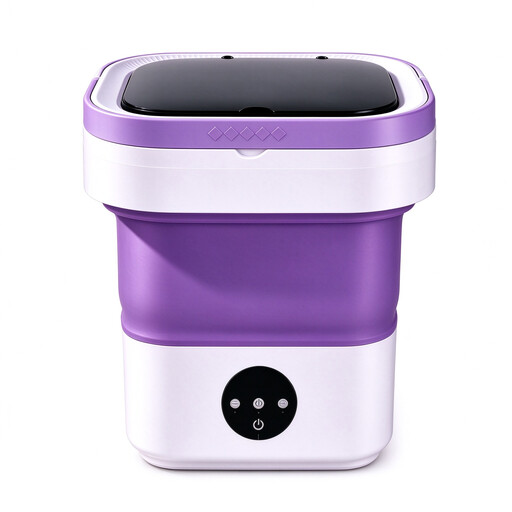
3-in-1 foldable mini washing machine, 12LZSZDXYJ
A foldable mini design could be useful if you’re looking for a compact washing solution. Before buying, check whether the washing and drying functions described, as well as the care instructions, are suitable for your napkins.
View at Joybuy
 No image available
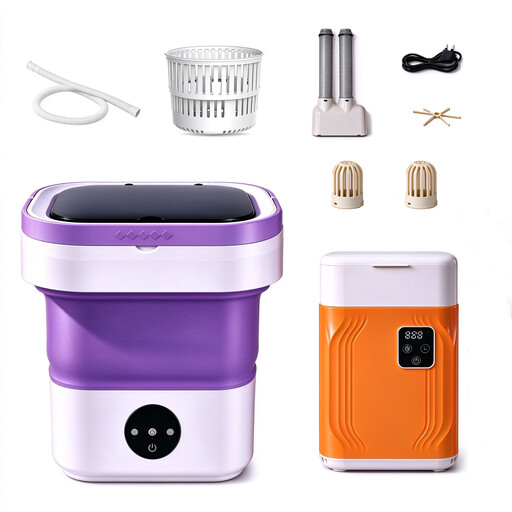
Portable washer-dryer combination, purple
A portable combination could be an option if you’re specifically looking for a mobile washing and drying solution. Before choosing, check the product information to see which loads and care requirements it’s designed for.
View at Joybuy
 No image available
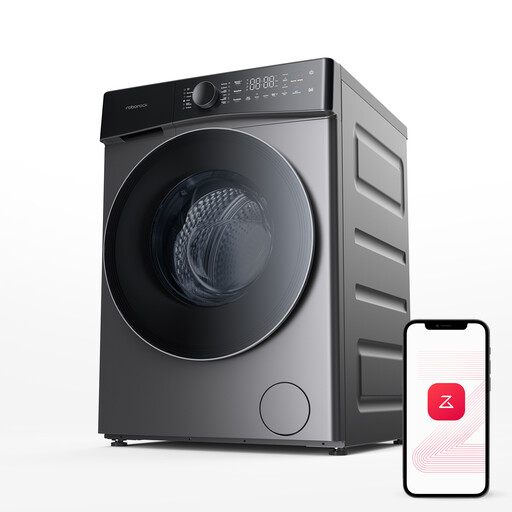
Roborock Zeo Lite Grey washer-dryer
When comparing washer-dryers, check the washing and drying capacities separately, and make sure the programmes are suitable for your fabrics.
Washing: 10 kg; drying: 6 kg. The title mentions Zeo-Cycle drying, a LintClear self-cleaning system and energy class E.
View at Joybuy
 No image available
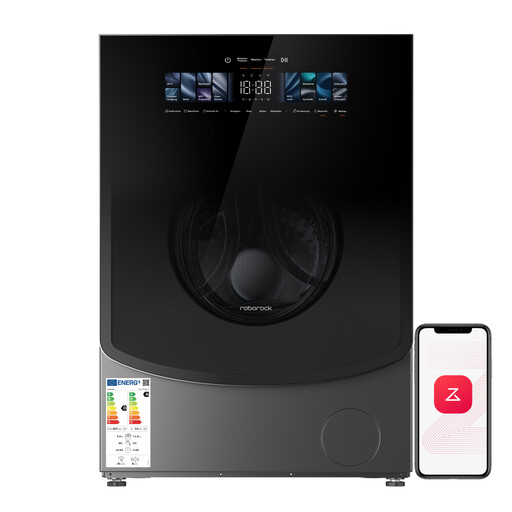
Roborock Zeo X washer-dryer
This model is an option if you want to compare a washer-dryer with separate washing and drying capacity figures.
Washing: 11 kg; drying: 6 kg; 27 programmes; energy class A. The title also mentions app control and a LintClear self-cleaning system.
View at Joybuy
Frequently asked questions
Can I tumble dry any table napkin in a washer-dryer?
No. Check the washing and drying symbols on each napkin; they show how it can be treated. If the label rules out machine drying, plan to air-dry it rather than using a complete combined cycle.
Does Wash & Dry 60' mean napkins will always be dry after 60 minutes?
No. Bosch lists Wash & Dry 60' for small loads on the WNA13441 model. The manufacturer’s claim isn’t a guarantee for every type of fabric and every load. Check the programme limit and care labels.
Which load figure matters for the combined cycle?
Check the drying capacity and the limit for the specific wash-and-dry programme, not just the washing capacity. For the Bosch WNA13441, for example, Bosch lists 9 kg for washing and 5 kg for combined operation.
Why does the energy label show separate consumption figures?
The label distinguishes between the washing cycle and the complete wash-and-dry cycle. The European Commission explains the separate figures. Compare electricity, water and capacity for the operating mode you plan to use.
What should I check before installing and cleaning the appliance?
Check the dimensions, design and connections against the installation instructions for the exact model, and follow its manual for maintenance. AEG recommends cleaning the door seal and detergent drawer, among other things; other steps may vary by model.


