Frequent small loads
You change your pillowcases often and want to know whether a programme can handle just a few items, rather than judging it by its large maximum capacity alone.


A washer-dryer can work well for frequent small pillowcase loads if you only have space for one appliance and air-drying the cases isn’t practical. Before you buy, check the load limit and duration of the specific wash-and-dry programme, along with the separate consumption figures for washing and washing plus drying. If you can hang the cases up, washing and air-drying them avoids the electricity used for machine drying.
You change your pillowcases often and want to know whether a programme can handle just a few items, rather than judging it by its large maximum capacity alone.
You need your pillowcases dry after washing, but only have room for one appliance and very little space to hang them up.
You often wash small loads, can air-dry them at least occasionally and want to weigh up the extra electricity and water used by machine drying.
A good fit if: you only have space for one appliance and can’t conveniently hang your pillowcases up to dry.
Things to weigh up: wash and drying capacities often differ. Compare the full combined cycle, not just the wash time. The Verbraucherzentrale (German consumer advice centre) highlights the extra consumption involved in machine drying.
A good fit if: you have a suitable place to hang your pillowcases and don’t need them to dry automatically.
Things to weigh up: air-drying takes time and space, but avoids the electricity used for machine drying.
A good fit if: you have room to install two appliances properly and regularly have other laundry suitable for tumble drying.
Things to weigh up: you’ll need more space and have to move laundry between the appliances. In return, you can plan your washing and drying loads separately.
For frequent small pillowcase loads, the key question is whether the programme you want to use is suitable for the amount of laundry and the care instructions on the cases. The drying method should also suit the space you have available.
| Criterion | What to check before you buy | Who is this especially important to? |
|---|---|---|
| Suitability for small loads | Check the manual for the permitted load size of your chosen programme, as well as the wash time and the full wash-and-dry cycle time. | If I often wash just a few pillowcases, I want to know whether the specific programme allows for that load. Around 31% of consumers put small-load suitability and programmes first. |
| Drying when space is limited | Check whether the pillowcases are suitable for tumble drying, the programme’s load limit, the full cycle time and the appliance dimensions, including space for the door and connections. | If I don’t have a practical place to dry laundry, I want to be able to dry my pillowcases using just one appliance space. Around 25% of consumers prioritise drying despite having limited space for appliances and laundry. |
| Electricity and water consumption | The European Commission notes that the label shows separate figures for washing and washing plus drying. Compare the figures that match how you plan to use the appliance. | If I wash frequently but don’t always need to machine-dry my laundry, I want to weigh up the ongoing electricity and water costs. Around 25% of consumers put consumption first. |
| Fabric care | Read the washing and drying symbols separately. Adjust the detergent and dose to the load size, how soiled the laundry is and your water hardness. | If caring for my particular pillowcases matters to me, I want to choose the temperature and drying method according to the label. Around 19% of consumers prioritise fabric care and hygiene. |
The permitted drying load may be smaller than the wash load, and individual programmes may have their own load limits.
If you plan to run a continuous wash-and-dry cycle, check the drying limit for that specific programme and size your load accordingly.
An oversized load may mean transferring some laundry or running an additional drying cycle.
The Umweltbundesamt (German Environment Agency) notes that quick programmes save time, but not necessarily energy. The stated quick-wash time may also cover only the washing stage.
If speed isn’t your priority, compare the suitable Eco programme and the label figures for the mode you actually plan to use.
The washing temperature and drying method must be suitable for each pillowcase. The Umweltbundesamt generally considers disinfectants unnecessary in a typical home.
Start by checking the care label, how soiled the item is and the correct detergent dose, then choose a suitable programme.
An unsuitable programme can damage fabrics, while unnecessary specialist products can add to your costs.
Dimensions and available services depend on the specific model and offer. Statutory take-back of an old appliance doesn’t automatically include every installation service you might want.
Before ordering, check the available space, connections and door clearance, as well as the specific delivery, installation and take-back services on offer.
The W4WR7096YB is an example of a washer-dryer with separate stated wash and drying capacities.
The Series 8 WNC244070 is a specific model whose dimensions and programme details can help you check whether it will fit and meet your capacity needs.
The 9000 Series L9WEF80690 is an example to consider when looking at heat-pump drying and automatic load adjustment.
The WT1 WTD163 WCS is an example of a combined appliance with stated capacities of 8/5 kg.
The range includes washer-dryers that combine washing and drying in one appliance, including compact models. For pillowcases, the load limit for the programme you use and the care instructions are key.
 No image available
For households looking to combine washing and drying in one appliance.
The product description lists a 12 kg washing capacity and 10 kg drying capacity, plus a Dual Inverter heat-pump dryer.
 No image available
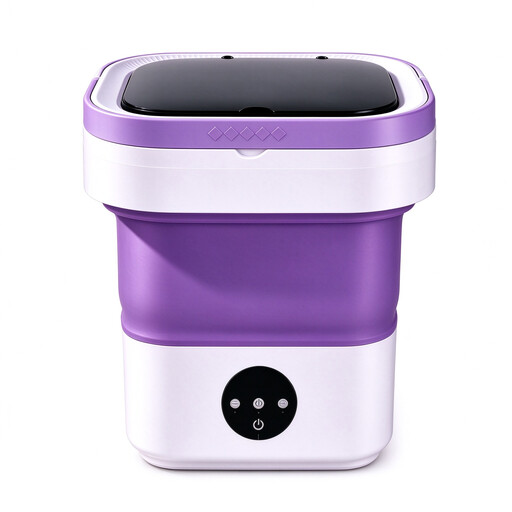
For small items and situations where a foldable appliance is useful.
The product name specifies 12 L and a 3-in-1 function. Keep the air outlet clear while drying. The product description warns against leaving the appliance unattended while it is running, due to the risk of fire and scalding.
 No image available
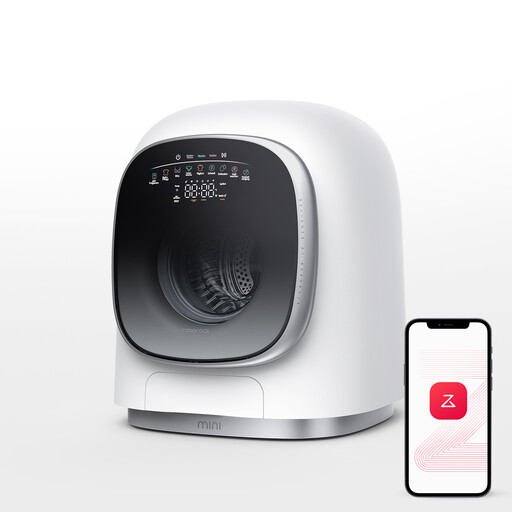
For shoppers specifically looking for a mini appliance for small loads of laundry.
The product name specifies a 1 kg washing capacity and 0,5 kg drying capacity, as well as more than 20 wash and dry programmes.
 No image available
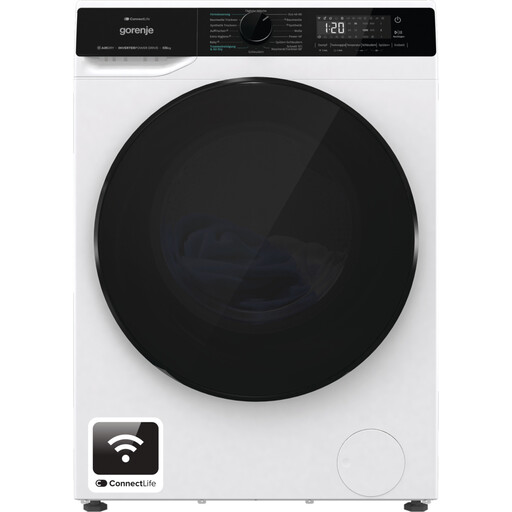
For shoppers comparing combined appliances with separate stated washing and drying capacities.
The product description lists an 8 kg washing capacity and 5 kg drying capacity, as well as 16 programmes. StopAddGo is described as a function that lets you pause and add items to a load.
 No image available
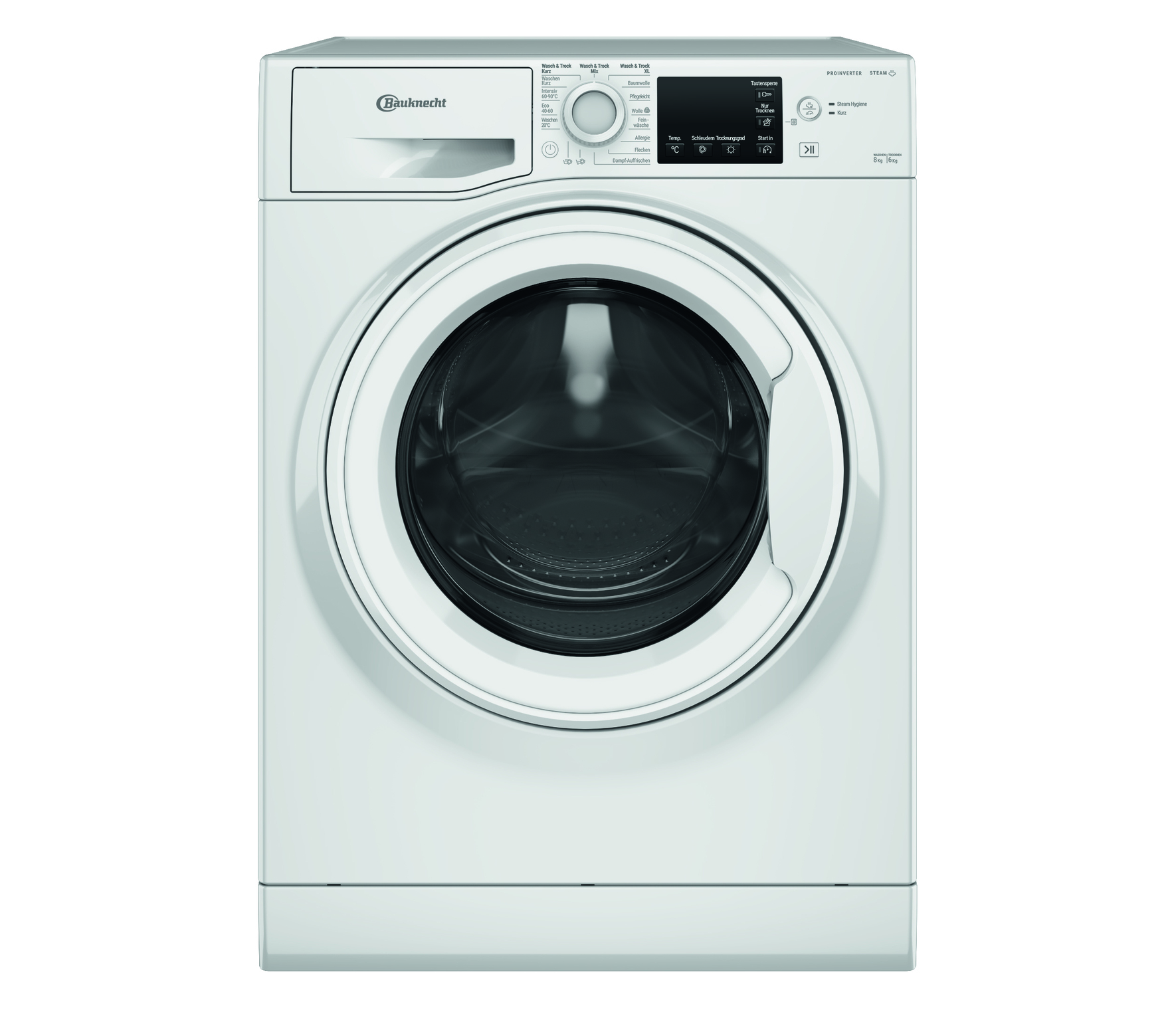
For shoppers looking for a freestanding combined appliance with separate capacity figures.
The product description lists an 8 kg washing capacity and 6 kg drying capacity.
No, unless the duration stated is explicitly for the complete combined cycle. LG describes the 39-minute TurboWash programme on the W4WR7096YB as applying to a half load. Check the separate programme time for the drying stage.
No. Check the tumble-drying symbol on each pillowcase: it indicates, among other things, whether normal or low-temperature drying is suitable, or whether tumble drying is prohibited. The washing temperature must also match the care label.
No, there’s no blanket requirement to do so. For lightly or normally soiled laundry, the Umweltbundesamt recommends lower temperatures. If there are particular hygiene requirements, take the situation and care label into account. A hygiene programme advertised by the manufacturer doesn’t, on its own, prove that your pillowcases will be disinfected.
The label gives standardised consumption figures separately for washing and washing plus drying. Electricity figures are based on 100 cycles and help you compare models; they don’t measure the consumption of your individual small pillowcase load.
Old electrical appliances must not go in household rubbish. According to the German Federal Ministry for the Environment, they can be taken to local collection points, among other options. Whether a retailer has to take an appliance back depends on the legal requirements. If you want your old appliance collected when you shop online, arrange this when you enter into the contract.