What should you look for when buying?
Washer-dryer
A good fit if: you only have space for one appliance, there’s no suitable place to dry clothes and the pyjamas’ care labels say they’re suitable for tumble drying.
Things to consider: washing and drying capacities differ. The Verbraucherzentrale points out that washer-dryers use more electricity and water than separate appliances.
Washing machine and air-drying
A good fit if: you have a suitable place to dry clothes or the care label rules out tumble drying.
Things to consider: you’ll need to allow space and time for hanging your clothes up; the load won’t be machine-dried.
Washing machine and separate tumble dryer
A good fit if: you have space for two appliances and regularly want to machine-dry laundry that’s suitable for tumble drying.
Things to consider: two appliances need more space. You should only tumble-dry pyjamas if their care labels allow it.
| What matters |
What to check before buying |
Who it’s especially relevant to |
| Small-load programme |
Check the programme table and load limit for your usual pyjama load; check washing and drying capacities separately. |
If I often wash individual pyjamas, I want to know whether the specific programme is designed for that load size. Around 31% of consumers put suitability for small loads first. |
| Garment care |
Check the wash symbol, maximum permitted temperature and tumble-drying symbol on each garment, along with suitable washing and, where relevant, drying programmes. |
If I want to care for cotton pyjamas according to their instructions, I check every label rather than relying on the fabric description alone. Around 25% of consumers prioritise garment care. |
| Energy and water use with frequent washing |
Compare the EU energy label figures for washing and the complete wash-and-dry cycle separately; take into account how often you’ll use the drying function. |
If running costs matter to me when I wash frequently, I compare figures for the same type of cycle rather than assuming that a short cycle will save money. Around 25% of consumers put running costs first. |
| Space and practicality |
Check the appliance dimensions, door clearance, delivery route and connections; also consider whether you have room to hang clothes up as an alternative. |
If space is limited where the appliance will go, or there’s no drying room, you need to make sure the solution will actually fit. Around 19% of consumers prioritise space requirements. |
The European Commission’s EU energy label shows separate figures for washing and complete wash-and-dry cycles. These figures are based on specified cycles and don’t measure how much energy and water you’ll use for one individual pyjama load.
Brands and model examples
The information below relates to the models and manufacturer details listed. It isn’t a ranking of brands or a statement about current availability.
AEG
Examples include models with a small-load programme and a technically different model with a heat pump.
- AEG lists a 60-minute wash-and-dry programme for up to 1 kg on the L7WBA60680, with an 8 kg washing capacity and 5 kg drying capacity.
- For the L9WEF80690, AEG lists a heat pump, automatic load sensing, a 9 kg washing capacity and a 6 kg drying capacity.
- These manufacturer details don’t prove that washing one pyjama load will use less energy or water.
Bosch
The WNG24441 is an example of a model with a cottons programme and Wash & Dry 60'.
- Bosch listed a 9 kg washing capacity and 6 kg continuous wash-and-dry capacity for this model; according to the manufacturer, the 60-minute programme was designed for small loads.
- Bosch’s German website listed this specific model as no longer available. The programme details therefore don’t mean it’s currently available to buy.
LG
The F12WD74SLIM is an example of a washer-dryer with a shallower depth.
- LG lists a depth of 45 cm, a 7 kg washing capacity, a 4 kg drying capacity and a Quick Wash 30 programme for this model.
- The quick wash programme alone doesn’t mean a complete wash-and-dry cycle is just as short.
Siemens
The WN44G243 is an example of a model with a 60-minute wash-and-dry programme.
- Siemens lists a 10.5 kg washing capacity and a 6 kg continuous wash-and-dry capacity.
- Check the programme table to see what small load is permitted for the quick programme; the maximum washing capacity doesn’t mean it’s suitable for small loads.
Samsung
The WD90DB8B85GBU2 is an example of a model with separate washing and drying capacities.
- Samsung lists a 9 kg washing capacity and a 6 kg drying capacity for this model, and promotes its AI Wash feature.
- The feature name doesn’t replace comparing the energy label figures for a complete wash-and-dry cycle.
Joybuy products for small laundry loads
The options below include washer-dryers, as well as compact washing and drying solutions for small laundry loads.
 No image available
LG WT1210WWF washer-dryer, 12 kg washing/10 kg drying
This model may suit you if you want to wash and dry in one appliance. You can only tumble-dry your pyjamas if their care labels allow it.
- Dual Inverter heat pump
- AI DD
- ThinQ app control
View on Joybuy
 No image available
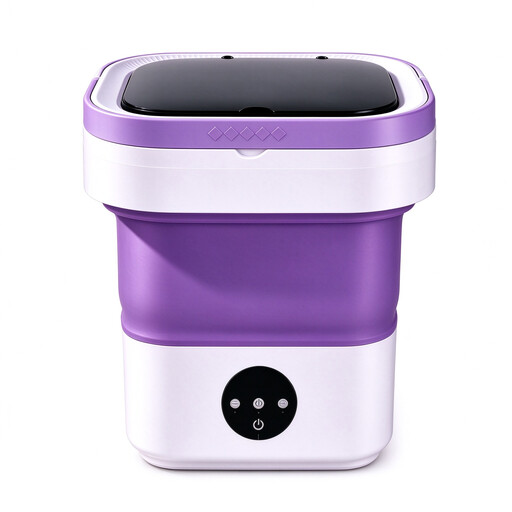
Folding 3-in-1 mini washing machine, 12 l
The compact, foldable design may be handy for small laundry loads. Before using it, check that its functions and programmes are suitable for the care labels on your pyjamas.
- 12 l
- 3-in-1 function
- Portable design
View on Joybuy
 No image available
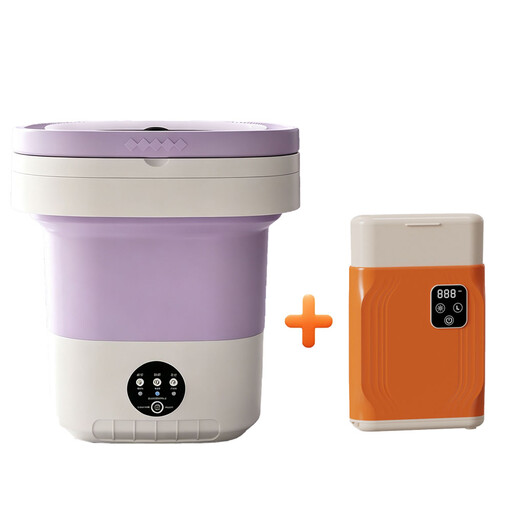
12 l washing machine with spin function and separate portable tumble dryer
This set includes a washing machine and a separate portable tumble dryer. It may suit you if you have room to use two appliances and your clothes are suitable for tumble drying.
- 12 l washing machine
- Foldable design
- Three wash modes
- Separate portable tumble dryer included
View on Joybuy
 No image available
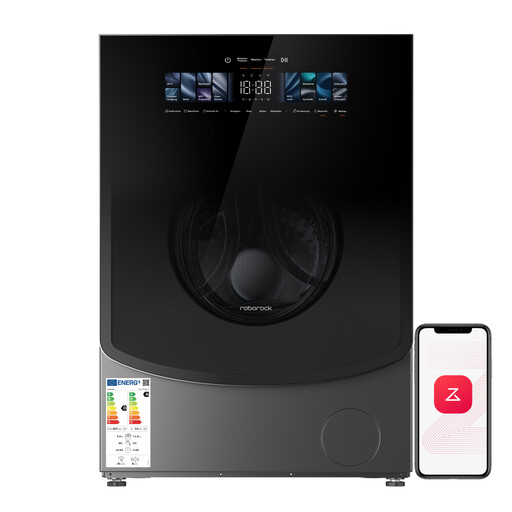
Roborock Zeo X washer-dryer, 11 kg washing/6 kg drying
If you want to wash and dry in one appliance, compare the drying capacity with your usual load and check the programme limits.
- 11 kg washing capacity
- 6 kg drying capacity
- 27 programmes
- App control
View on Joybuy
 No image available
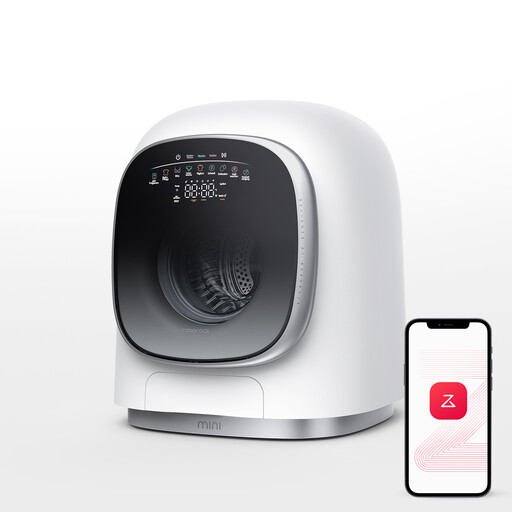
Roborock Zeo Mini washer-dryer, 1 kg washing/0.5 kg drying
The stated capacities are very small. Check that your pyjama load will fit and that the care label allows the intended drying method.
- 1 kg washing capacity
- 0.5 kg drying capacity
- More than 20 wash and dry programmes
View on Joybuy
Frequently asked questions
Can you tumble-dry any cotton pyjamas in a washer-dryer?
No. Cotton fabric alone doesn’t mean pyjamas are suitable for tumble drying. Check the tumble-drying symbol and care instructions on each garment, and make sure you don’t exceed the stated maximum washing temperature.
Is a 60-minute programme also the most economical option for a single pair of pyjamas?
You can’t tell from the cycle time alone. Manufacturers specify short programmes for particular load sizes. The European Commission’s EU energy label lists figures for specified washing and complete wash-and-dry cycles, not necessarily for that short programme.
What should I check before installing and using an appliance?
Check the appliance dimensions, including clearance for the door, the delivery route and connections against the details for the specific model. Then choose a wash programme that follows the care labels on your cotton pyjamas, and only use a suitable drying mode if tumble drying is allowed.
What are the rules in Germany for faults, cancellation and returning an old appliance?
The statutory warranty you have with the seller is separate from a voluntary guarantee, as the Verbraucherzentrale explains. Under certain conditions, section 17 of the German Electrical and Electronic Equipment Act (ElektroG) requires retailers to take back a corresponding old appliance free of charge when you buy a new one; confirm the arrangements for your order. Online purchases generally come with a right to cancel, usually within 14 days of receiving the goods.


