A washer-dryer is most suitable if you’re short on drying space and the care label says your workwear can be tumble dried. If you often wash small loads, check the maximum load for a complete wash-and-dry programme, and compare the washing and drying capacities as well as the consumption figures for both cycle types. If you have a suitable place to air-dry clothes or they aren’t suitable for tumble drying, air-drying or separate appliances may be better options. The Verbraucherzentrale notes that washer-dryers use more electricity and water than separate appliances.
Who is a washer-dryer suitable for?
People who work and often have small loads
If you need individual washable items again soon, check the maximum load for the programme and how long a complete wash-and-dry cycle takes. Bosch Hausgeräte Deutschland lists a Wash & Dry 60' programme for small loads on the WNA14441.
People who wear delicate workwear
The fabric and care label determine which washing temperature and drying method are suitable. For clothing with protective properties or potential contamination, you should also check your workplace requirements. The DGUV specifies particular requirements for waste collection work.
Households short on drying space
A washer-dryer can be a good alternative if you don’t have room for a separate tumble dryer. However, the Verbraucherzentrale also notes that washer-dryers use more electricity and water than separate appliances.
What should you look for when buying?
First, check whether your workwear can be washed and tumble dried at home. Then consider the space available, suitable programme load sizes and the consumption of the cycles you’ll actually use.
Washer-dryer
A good fit if: you’re short on drying space and want to wash and dry suitable small loads without moving them between appliances.
Consider: the maximum programme load and drying capacity may be lower than the maximum washing capacity. The Verbraucherzentrale notes that washer-dryers use more electricity and water than separate appliances.
Washing machine and air-drying
A good fit if: you have a suitable place to air-dry clothes or the care label says they shouldn’t be tumble dried.
Consider: your laundry will need space and time to dry, but you won’t need to run a machine drying cycle.
Washing machine and separate tumble dryer
A good fit if: you have room for two appliances and want to run washing and drying separately.
Consider: two appliances take up more space, and you’ll need to move your laundry between them.
| Priority |
What to check before buying |
Who it matters most to |
| Getting small loads ready in time |
Check the maximum programme load and how long a complete wash-and-dry cycle takes. |
If I need individual items again soon, the time for the complete cycle matters to me. Around 33% of consumers put getting small loads ready in time first. |
| Caring for workwear according to its fabric |
Check the care symbols against the temperature, programme and permitted drying method; also check any protective clothing requirements. |
If I have delicate workwear, I follow the care label and workplace requirements when washing and drying it. Around 27% of consumers prioritise caring for their clothes according to the fabric. |
| Space and drying capacity |
Check the dimensions and the washing and drying capacities of the specific model separately. |
If I don’t have room for a separate tumble dryer, an appliance that does both jobs is appealing. Around 20% of consumers say limited space for an appliance and drying is their main concern. |
| Running costs |
Compare the EU energy label figures for washing and for a complete wash-and-dry cycle separately. |
If I wash and dry clothes frequently, I compare the consumption figures for the same type of cycle. Around 20% of consumers prioritise low running costs. |
Common buying mistakes
-
Confusing the maximum washing load with the wash-and-dry load
Bosch Hausgeräte Deutschland lists a 9 kg washing capacity and a 5 kg capacity for washing and drying on the Bosch WNA14441. So a load that fits the washing capacity alone may be too large for a continuous wash-and-dry cycle.
Compare your load with the stated wash-and-dry capacity. If it’s too large, you may need to remove some items or run an additional drying cycle.
-
Looking only at the washing figures on the energy label
The EU energy label shows separate figures for washing and for a complete wash-and-dry cycle. The Verbraucherzentrale notes that washer-dryers use more electricity and water than separate appliances.
When comparing appliances, look at the same type of cycle for each one. Your own tariff and how you use the appliance will also affect your personal cost estimate.
If you tumble dry frequently, electricity and water costs can add up.
-
Assuming a quick or steam programme will fully clean and dry your clothes
A quick programme or refresh function advertised by the manufacturer doesn’t guarantee that a load will be fully washed and dried in the same amount of time. This also applies to programmes designed for a specific load size.
Check the programme type, maximum load, care symbols and level of soiling rather than looking only at the programme duration.
-
Treating protective or potentially contaminated clothing like ordinary household laundry
For some types of work, washing clothes at home can compromise their protective properties or spread contamination. The DGUV gives used protective and work clothing worn for waste collection as a specific example of clothing that must not be washed at home.
If your clothing has protective properties or may be contaminated, check the requirements for your work before washing it at home.
Brands to consider
Bosch
The WNA14441 is an example of a washer-dryer with a quick programme for small loads advertised by the manufacturer.
- Bosch Hausgeräte Deutschland lists Wash & Dry 60', along with a 9 kg washing capacity and a 5 kg wash-and-dry capacity.
- Check the programme conditions and the maximum load permitted for your clothing; these figures apply to this model.
AEG
The L9WEF80690 adds a model with heat-pump drying to the comparison.
- AEG Deutschland lists ProSense load adjustment, a 9 kg washing capacity, a 6 kg drying capacity and 252 kWh per 100 complete wash-and-dry cycles for this model.
- These are manufacturer figures, not independent evidence of lower costs in your home or proof that the appliance is suitable for every fabric.
Siemens
The WN54C2070 is an example of a model with load-dependent water management.
- Siemens Hausgeräte Deutschland lists waterPerfect Plus, a 9 kg washing capacity and a 6 kg wash-and-dry capacity.
- The product information gives dimensions of 848 × 598 × 622 mm and a noise level of 70 dB(A). Check that the dimensions and noise level suit the intended location.
LG
The V9WD128H2 is an example of a model with a half-load programme advertised by the manufacturer.
- LG Deutschland advertises TurboWash 360° as taking 39 minutes for a half load, and lists a 12 kg washing capacity and an 8 kg drying capacity.
- This time isn’t a guarantee of a complete wash-and-dry cycle and doesn’t apply to every small load.
Gorenje
The WD2PA1X64ADW/DE adds a model with a quick wash and steam refresh programme to the comparison.
- Gorenje Deutschland lists QuickWash 15' and a steam refresh programme.
- A quick wash or refresh programme isn’t the same as a complete, quick wash-and-dry cycle or cleaning soiled workwear.
Joybuy products for different load sizes
The selection ranges from mini appliances to washer-dryers with separate washing and drying capacities. For small workwear loads, check the maximum programme load and drying capacity of the specific model. Tumble drying is only suitable if the care label and workplace requirements allow it.
 No image available
LG WT1210WWF washer-dryer
If you’re comparing models with separate washing and drying capacities, check the specific programme limits too, particularly if you often have small loads.
Listed in the product name: 12 kg washing capacity, 10 kg drying capacity and a Dual-Inverter heat pump.
Joybuy
 No image available
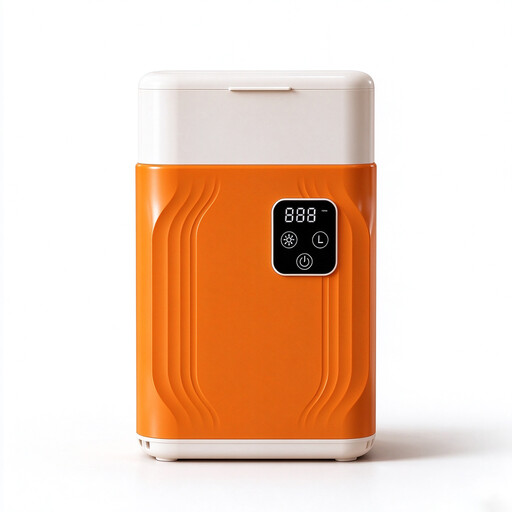
HB-222 foldable mini washing machine with 3-in-1 function
The foldable mini design may suit very small loads of laundry. Before buying, check the stated capacity and exactly what the 3-in-1 function includes.
The product name describes a foldable, portable appliance with washing and drying functions.
Joybuy
 No image available
Samsung washer-dryer, 9 kg washing / 6 kg drying
If you’re considering a washer-dryer for frequent small loads, check that the programme load sizes suit your laundry; washing capacity isn’t the same as drying capacity.
Listed in the product name: 9 kg washing capacity, 6 kg drying capacity, 1,400 rpm, and energy class A for washing and D for the complete cycle.
Joybuy
 No image available
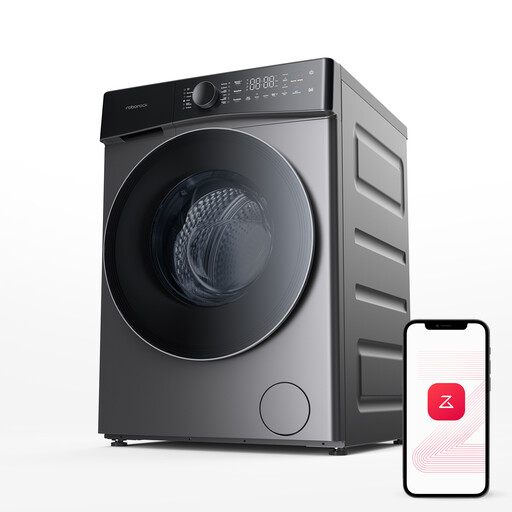
Roborock Zeo Lite washer-dryer
You can compare this model using its separate washing and drying capacities; for frequent small loads, the programme conditions are key.
Listed in the product name: 10 kg washing capacity, 6 kg drying capacity and energy class E.
Joybuy
 No image available
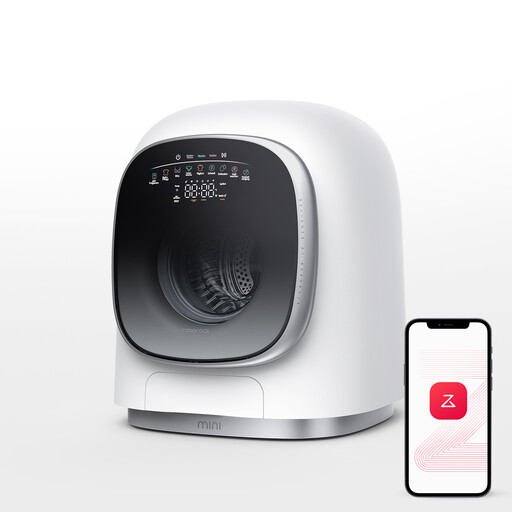
Roborock Zeo Mini washer-dryer
The small capacities listed in the product name may be worth considering for very small loads; check that they suit the amount of laundry you actually have.
Listed in the product name: 1 kg washing capacity, 0.5 kg drying capacity, more than 20 wash and dry programmes, and energy class A.
Joybuy
Frequently asked questions
Can I wash all washable workwear at home in a washer-dryer?
No. Being washable doesn’t automatically mean that clothing can be tumble dried or cleaned at home. Check the care label, and if the clothing has protective properties or may be contaminated, check your workplace requirements too. The DGUV gives used protective and work clothing worn for waste collection as a specific example of clothing that must not be washed at home; this doesn’t automatically apply to ordinary workwear.
How can I tell whether my workwear is suitable for tumble drying?
Check the drying symbol on the care label. GINETEX Germany explains that the dots indicate the drying setting, while a crossed-out tumble dryer symbol means the garment must not be tumble dried. If your clothing has protective properties, also follow the requirements for maintaining them.
Which figures should I compare on the EU energy label?
Compare the figures for washing alone separately from those for a complete wash-and-dry cycle. The European Commission sets energy labelling requirements for household washer-dryers; in particular, the kWh figures are each based on 100 cycles.
Can I return my old appliance when I buy a new one?
You can generally return a large old appliance free of charge when buying a new one, provided it’s a similar type of appliance. The Umweltbundesamt says this option is also available for online purchases with delivery.


