Owners of delicate summer dresses
Always check the wash and tumble-dry instructions separately on the care label. A delicate cycle doesn’t mean an item is approved for machine drying; GINETEX Germany explains what the care symbols mean.


A washer-dryer can be a practical choice in a utility room when a second appliance isn’t feasible and you regularly dry laundry that’s suitable for tumble drying according to its care label. For summer dresses, washable doesn’t automatically mean tumble-dryer safe; if you can air-dry them, a washing machine may be all you need. Also compare the lower drying capacity with the washing capacity, and check the separate consumption figures for washing and for a full wash-and-dry cycle.
Always check the wash and tumble-dry instructions separately on the care label. A delicate cycle doesn’t mean an item is approved for machine drying; GINETEX Germany explains what the care symbols mean.
A washer-dryer combines washing and drying in the space taken up by one appliance. Bear in mind that its drying capacity is lower than its washing capacity.
If you regularly dry laundry that’s suitable for tumble drying, compare capacity, programme duration and consumption as well as the space required. The consumer advice centre highlights the differences between washer-dryers and separate appliances.
First, check what the care labels on your clothes allow. Then you can decide whether you’ll really use the drying function and space-saving benefits of a washer-dryer in everyday life.
| What matters | What to check before buying | Who is this important to? |
|---|---|---|
| Care that follows the label | Check the care symbols for washing and drying separately, and note the maximum load for the delicate programme. | If my clothes have different care requirements, I want to assess each step separately. Around 36% of consumers would make label-compliant care their top buying priority. |
| Installation and drying space | Check the appliance dimensions against the room, including the space needed for connections and the door to open; also consider air-drying as an alternative. | If there’s only room for one appliance in my utility room, I want to know whether the added drying function really makes good use of that space. Around 29% of consumers would put saving space first. |
| Everyday running costs | Compare the EU label figures for washing and for a complete wash-and-dry cycle separately, and consider how you’ll actually use the appliance. | If I dry clothes often, I want to compare the consumption figures for that specific use. Around 21% of consumers would make running costs their top buying priority. |
| Drying load and duration | Check the washing and drying capacities separately, as well as the load limit for the care programme you want to use. | If I regularly dry larger loads, I want to know whether I can dry them without running extra cycles. Around 14% of consumers would make drying capacity their top priority. |
The percentages assign consumers to one top buying priority for this decision. They’re a guide to the scenarios described, not survey results.
Wash and tumble-dry symbols cover different stages of care. A dress that can be washed isn’t automatically safe to put in the tumble dryer.
Check each dress separately. If the label says not to tumble dry it, wash it only and then dry it according to the care instructions.
Tumble drying against the care label’s instructions can damage the dress.
The maximum washing load isn’t necessarily the amount that can then be dried without interruption. Some models have a lower drying capacity than washing capacity.
Plan a combined cycle around the drying capacity and the limit for the programme you’ve chosen, not just the higher kilogram figure.
If the wash load exceeds the permitted drying load, you may need extra drying cycles and more time.
The EU label lists figures separately for washing only and for the complete wash-and-dry cycle. The consumer advice centre notes that washer-dryers can use more electricity and water than separate washing machines and tumble dryers.
Compare the label figures for the way you plan to use the appliance, and factor in how often you’ll actually use the drying function.
Moisture can condense on cold walls in a cool cellar. The German Environment Agency advises against letting warm outdoor air into cool cellar rooms during the day in summer.
If you hang laundry there, consider the moisture levels and, in summer, try to ventilate at night or during the cool early-morning hours.
The W4WR7096YB is listed with a 9 kg washing capacity and a 6 kg drying capacity.
The L9WEF80690 is described as featuring heat-pump drying, with a 9 kg washing capacity and a 6 kg drying capacity.
The WNC244070 is listed with a 9 kg washing capacity and a 6 kg wash-and-dry capacity.
The WN54C2A40 iQ700 is described as having a 10.5 kg washing capacity and a 6 kg wash-and-dry capacity.
The WTD160 WCS is described as having an 8 kg washing capacity and a 5 kg drying capacity.
The following Joybuy products include washer-dryers and a separate washing machine and tumble dryer combination. Washing and drying capacities are listed separately for each.
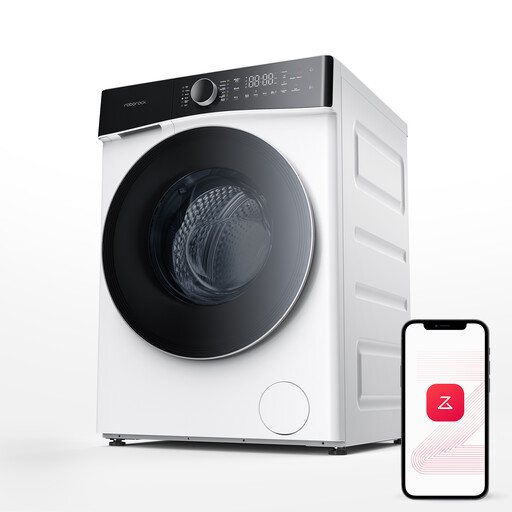 No image available
A combined solution if you want to wash and dry your laundry in one appliance.
Washing: 10 kg; drying: 6 kg.
The product description lists Zeo-Cycle drying technology and automatic detergent dosing.
 No image available
A stacked washing machine and tumble dryer combination for households looking to fit both appliances in this format.
Washing machine: 12 kg; tumble dryer: 10 kg.
The product information lists a Dual-Inverter heat-pump tumble dryer.
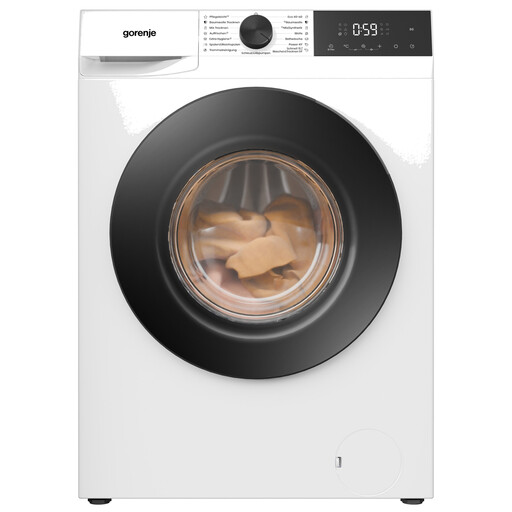 No image available
A combined solution if you want to wash and dry your laundry in the space taken up by one appliance.
Washing: 11 kg; drying: 7 kg.
 No image available
A combined appliance for households looking to wash and dry their laundry in the space taken up by one machine.
Washing: 12 kg; drying: 10 kg.
The product name specifies Dual-Inverter heat-pump technology.
 No image available
A combined solution if you’re looking for washing and drying functions in one appliance.
Washing: 9 kg; drying: 6 kg; spin speed: 1,400 rpm.
The product information lists energy class A for washing and D for the complete cycle.
Only if the care label also allows machine drying and the programme you select is suitable. The wash symbol alone doesn’t mean it’s safe to tumble dry; a crossed-out tumble-dryer symbol means the dress shouldn’t be tumble dried.
Check the dimensions and installation requirements of the specific appliance against your room and the planned water, waste and electrical connections. Follow the instructions for your model when transporting, connecting and levelling it.
Don’t leave an appliance closed up for long periods while the inside is still damp; the consumer advice centre identifies moisture and washing only at 30 or 40 degrees as possible causes of odours. If you hang laundry in a cool cellar, also follow the German Environment Agency’s advice on ventilating cellars in summer.
On the EU label, compare the figures for the complete wash-and-dry cycle separately from those for washing only. Household washer-dryers are covered by EU energy labelling under Regulation (EU) 2019/2014; choose figures that match how you plan to use the appliance.
Your statutory rights against the seller are separate from any voluntary guarantee. Electrical appliances must not be put in household waste. The German Environment Agency explains how to return old appliances, including the return of large appliances when you buy a corresponding new one, even for online purchases with delivery. Before ordering, check how collection of your old appliance will be arranged.