Households with limited drying space
If there’s little room to hang tracksuits, drying capacity and a programme suited to the care label are important factors to consider.


A washer-dryer could be a good choice if there’s no room for two appliances and nowhere practical to hang clothes, provided the care label allows the garment to be tumble dried. The key things to check are the drying capacity, a suitable programme and the energy and water consumption for a complete wash-and-dry cycle – not just the washing capacity. If you regularly wash large loads or your tracksuits aren’t suitable for tumble drying, air drying or separate appliances may be a better fit. For conventional washer-dryers, the Verbraucherzentrale notes that energy and water consumption is higher than for separate appliances.
If there’s little room to hang tracksuits, drying capacity and a programme suited to the care label are important factors to consider.
For synthetics and technical fabrics, the care label should determine whether and how a garment can be tumble dried. Bosch home appliances also advises following the garment’s care symbols.
If you regularly wash several outfits, compare the drying capacity for a complete cycle and the consumption figures with how you expect to use the appliance.
A good fit if: there’s nowhere practical to hang clothes and the care labels say your tracksuits are suitable for tumble drying.
Things to consider: Many models have a lower drying capacity for a complete cycle than their washing capacity. For conventional combination appliances, the Verbraucherzentrale notes that energy and water consumption is higher than for separate appliances.
A good fit if: your tracksuits aren’t suitable for tumble drying or you have somewhere suitable to hang them.
Things to consider: The laundry will take time to dry and you’ll need space to hang it.
A good fit if: you have room for two appliances, regularly dry larger loads of tumble-dryer-safe laundry and can install them separately.
Things to consider: You’ll need to allow for the extra space and installation. The Verbraucherzentrale considers separate appliances more efficient in terms of energy and water than conventional washer-dryers. Compare individual models, especially heat pump washer-dryers, using their energy labels.
| What matters | What to check before buying | Who is this important to? |
|---|---|---|
| Drying without somewhere to hang clothes | Check the tracksuits’ tumble-drying symbols against the appliance’s drying capacity. | If I have little room to hang clothes, the load I need to dry must fit in the drying cycle. Around 33% of consumers say a lack of drying space is their top concern. |
| Caring for tracksuits | Check the care label and whether the specific model has a suitable delicate or sportswear programme. | For technical fabrics, I want to follow the care label rather than automatically put every item through a drying cycle. Around 27% of consumers prioritise fabric care. |
| Consumption when drying frequently | Compare the separate figures for washing and washing plus drying on the EU energy label. The European Commission lists figures including energy and water consumption. | If I dry clothes frequently, I want to compare the complete cycle, not just the wash. Around 20% of consumers consider ongoing energy and water consumption their most important buying concern. |
| Load size and installation dimensions | Compare your usual laundry load with the washing and drying capacities. Check the alcove, connections and door clearance against the appliance’s exact dimensions. | If I have several tracksuits to wash or limited installation space, I want to check capacity and dimensions together in advance. Around 20% of consumers prioritise load size and how well the appliance fits. |
A sportswear or delicate programme doesn’t override the care instructions for your tracksuit. According to Bosch home appliances, tumble-drying symbols also apply to washer-dryers.
Before running a complete wash-and-dry cycle, check the tumble-drying symbol on every garment.
A complete cycle may dry less laundry than the amount you can put through a wash alone. For example, Siemens lists a 9 kg washing capacity and a 5 kg capacity for washing and drying for its WN44A141 model.
Compare your usual load with the stated wash-and-dry capacity. Laundry that won’t fit in the drying cycle will need extra drying space or another cycle.
The EU energy label gives separate figures for washing alone and washing plus drying. So, the efficiency rating for the wash cycle alone doesn’t tell you how the complete cycle performs.
Compare both sets of consumption figures and consider how often you actually use the drying function. The European Commission explains the separate figures on the energy label.
Bosch lists a Sportswear programme for microfibre, technical clothing and synthetics on its WKD28543 built-in washer-dryer.
The 9000 series model L9WEF80690 offers a heat pump option for buyers comparing washing and drying capacities, as well as complete-cycle performance.
The freestanding iQ300 model WN44A141 is worth considering when comparing separate washing capacity with wash-and-dry capacity.
LG lists the W4WR7096YB model with a 9 kg washing capacity, a 6 kg drying capacity and specified wash programmes.
The WD90DG6G94BKU2 model is worth considering if you’re comparing appliances with limited depth.
This selection includes washer-dryers and a WashTower combination of a washing machine and heat pump tumble dryer. Compare the separately listed capacities and check that the appliance type and installation will suit your space.
 No image available
For households comparing a washing machine and heat pump tumble dryer in a WashTower configuration.
12 kg washing capacity and 10 kg drying capacity; heat pump tumble dryer, AI DD, TurboWash 360°, ThinQ Smart App, 1350 rpm, Green/Beige.
 No image available
For households comparing washing and drying in one appliance and looking to match their load to the relevant capacity.
12 kg washing capacity and 10 kg drying capacity; Dual Inverter heat pump, AI DD, TurboWash 360°, Steam Function, Wi-Fi ThinQ App, White.
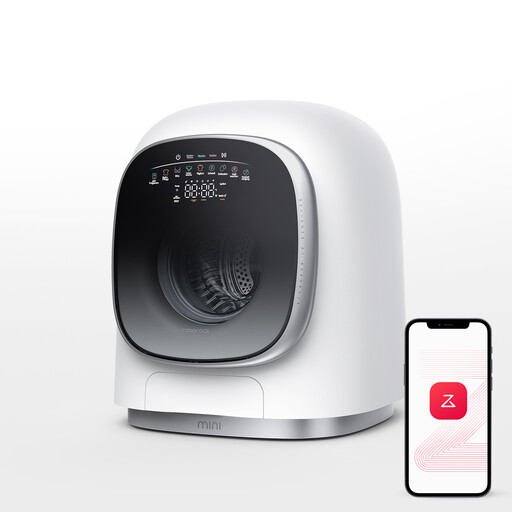 No image available
For very small loads, if the stated capacity suits the amount of sportswear you need to wash.
1 kg washing capacity and 0.5 kg drying capacity; low-temperature drying, according to the product title.
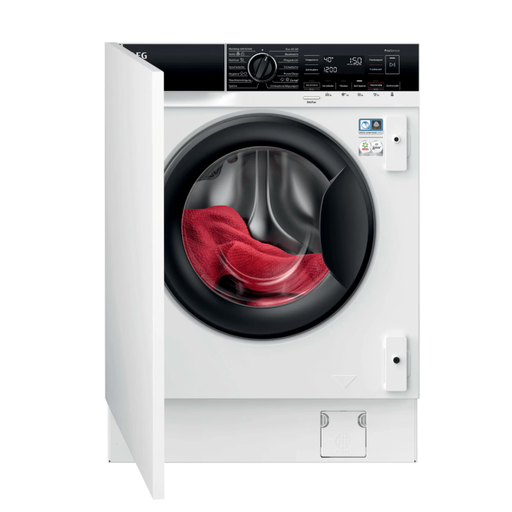 No image available
For built-in installations where a washer-dryer with a specified sports programme could be an option.
8 kg washing capacity and 4 kg drying capacity; built-in appliance, ProSense, ProSteam, DualSense, 1600 rpm, Wi-Fi.
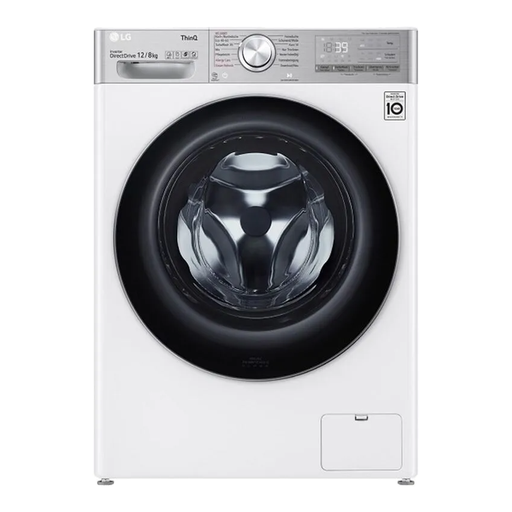 No image available
For households looking to compare a combined washing machine and tumble dryer.
The product title lists 12 kg. Check which capacity this figure refers to before choosing. Colour: White.
No. The tumble-drying symbol on each garment shows whether it can be tumble dried and under what conditions. Bosch home appliances says these symbols also apply to washer-dryers. If tumble drying isn’t specifically permitted, don’t plan to run a complete wash-and-dry cycle.
Not necessarily: the drying capacity may be lower. For example, Siemens lists a 9 kg washing capacity and a 5 kg capacity for washing and drying for its WN44A141 model. The capacities for both functions on the specific model are what matter.
Compare the separate figures for washing alone and washing plus drying on the EU energy label. The European Commission lists figures including energy and water consumption. You can’t work out your individual costs from a consumption figure alone without knowing your tariff and how often you’ll use the appliance.
Check the appliance dimensions and installation plan against the alcove, connections and access route. If you’re considering stacking appliances, make sure they can be installed safely and are compatible; follow the instructions for the specific model.
The Verbraucherzentrale notes that leaving a washing machine closed while damp can cause unpleasant odours, especially if you only wash at 30 or 40 °C. Follow the cleaning and care instructions in your appliance manual.