People who wash bath mats regularly
What matters is whether the size, material and care instructions of your particular mat are compatible with the chosen programme and drum.


Choose the machine type based first on the available space and how it opens: a top-loader needs clearance above the lid, while a front-loader needs space in front of the door. Then check the care label, the mat’s dimensions and the load limit for the programme you plan to use. The kilogram capacity alone doesn’t confirm that a particular mat will fit.
What matters is whether the size, material and care instructions of your particular mat are compatible with the chosen programme and drum.
Consider whether width or depth is the main constraint. Remember to allow room for the machine to open and for its connections.
If the machine is close to your living or sleeping area, spin noise and suitable installation are especially important.
First work out what kind of space constraint you’re dealing with. Then consider mat care, noise, and water and energy use in relation to your everyday needs.
| Buying consideration | What to check | Who it matters most to |
|---|---|---|
| Mat and wash programme | Check the care label, the mat’s dimensions and the load limit for the specific programme. | If I’m washing a coated or bulky mat, I want to check its care label, the drum and the suitable programme together. Around 25% of consumers are chiefly concerned about whether the machine is suitable for their mat. |
| Installation space and opening clearance | Measure the width and depth of the space, as well as the clearance needed to open the machine and accommodate its connections. | When space is limited, the appliance dimensions aren’t the only thing that needs to fit: the door or lid must also open freely. Around 25% of consumers prioritise installation space. |
| Spin noise | Compare the sound power level during the spin cycle and the airborne acoustical noise emission class. | If the machine is close to my living or sleeping area, I want to consider the noise level and its position together. Around 20% of consumers prioritise keeping noise to a minimum. |
| Water protection | Check the specific model’s water protection features and whether your water connections are suitable. | In a flat, I want to know what water protection features the specific model offers and whether the connections are suitable. Around 15% of consumers are chiefly concerned about water protection. |
| Water and energy use | Compare consumption figures on the same label basis and check which wash programme they refer to. | If mats are washed regularly, I want to distinguish between the figures on the label and the actual programme, and find out whether tumble drying is needed. Around 15% of consumers prioritise energy and water use. |
The permitted temperature depends on the individual mat. Using the wrong setting could damage the material or its coating.
Read your mat’s care label before choosing a programme, and don’t assume the care instructions for other models apply to yours.
Top-loaders and front-loaders need opening clearance on different sides. Connections and installation dimensions can also affect where the machine can go.
Measure the space, the route for moving the machine, the connection area and the clearance needed for the open door or lid. If dimensions seem inconsistent, check the installation diagram for the specific model.
The European Commission’s efficiency requirements for washing machines are based on the Eco 40–60 programme. You can’t use them to work out the consumption of every other programme.
Compare label figures on the same basis and choose a programme that’s suitable for your mat’s care instructions.
The space-saving benefit matters most if you don’t have a suitable place to dry your washing. You’ll need to check separately whether your mat can be tumble dried.
First check your drying options and the care label. The Verbraucherzentrale notes that washer-dryers use more electricity and water than separate appliances.
The details below relate to the specific model ranges named. They don’t replace checking the dimensions and care requirements for your space and mat.
Top-loaders for spaces where width is the main constraint.
Top-loaders for a narrow space, provided there’s enough clearance above the lid.
A shallow front-loader that may suit a space where depth is the main constraint.
An under-counter front-loader for a suitable space with enough room in front of the door.
A freestanding front-loader for spaces with standard appliance width.
This selection includes top-loaders, as well as freestanding and integrated front-loaders. For each model, check its dimensions, opening clearance and which programme is suitable for your mat.
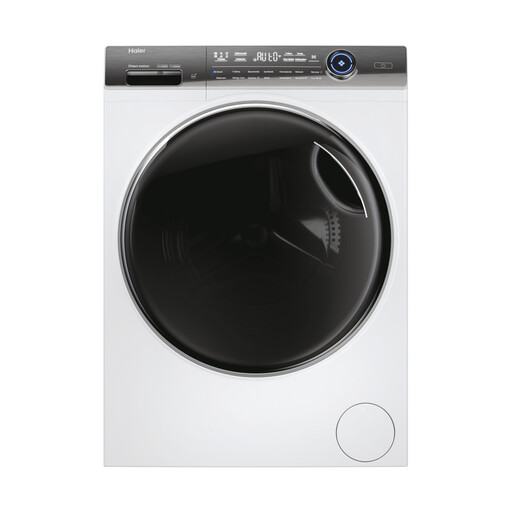 No image available
This front-loader is suitable only if its door can open and its installation dimensions fit your space. The product name lists a capacity of 8 kg, 1,400 rpm and energy efficiency A-20%.
 No image available
The slim front-loader could be a good option for a space with limited depth. Remember to allow room for the door to open forwards. The product name lists a capacity of 7 kg and an energy rating of A-10%.
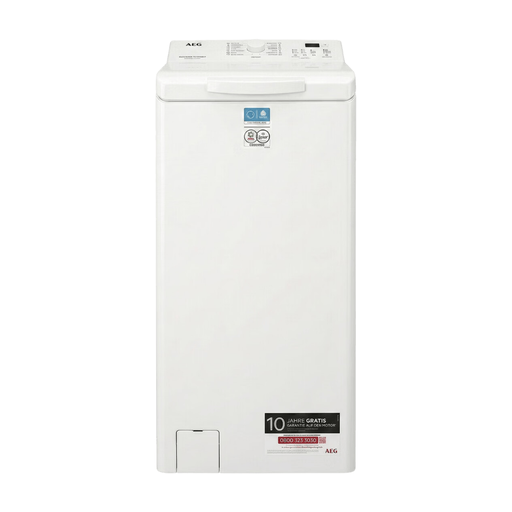 No image available
This top-loader could suit a narrow space, provided the lid can open freely upwards. The product name lists a capacity of 6 kg and 1,400 rpm. Check that the specific programme is suitable for your mat.
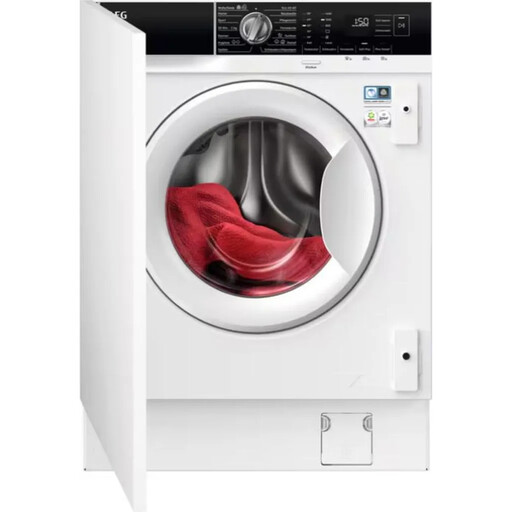 No image available
This integrated model needs a suitable space. Check that the installation dimensions and door clearance work in your chosen location. The product name lists a capacity of 8 kg, 1400 rpm and an energy rating of B.
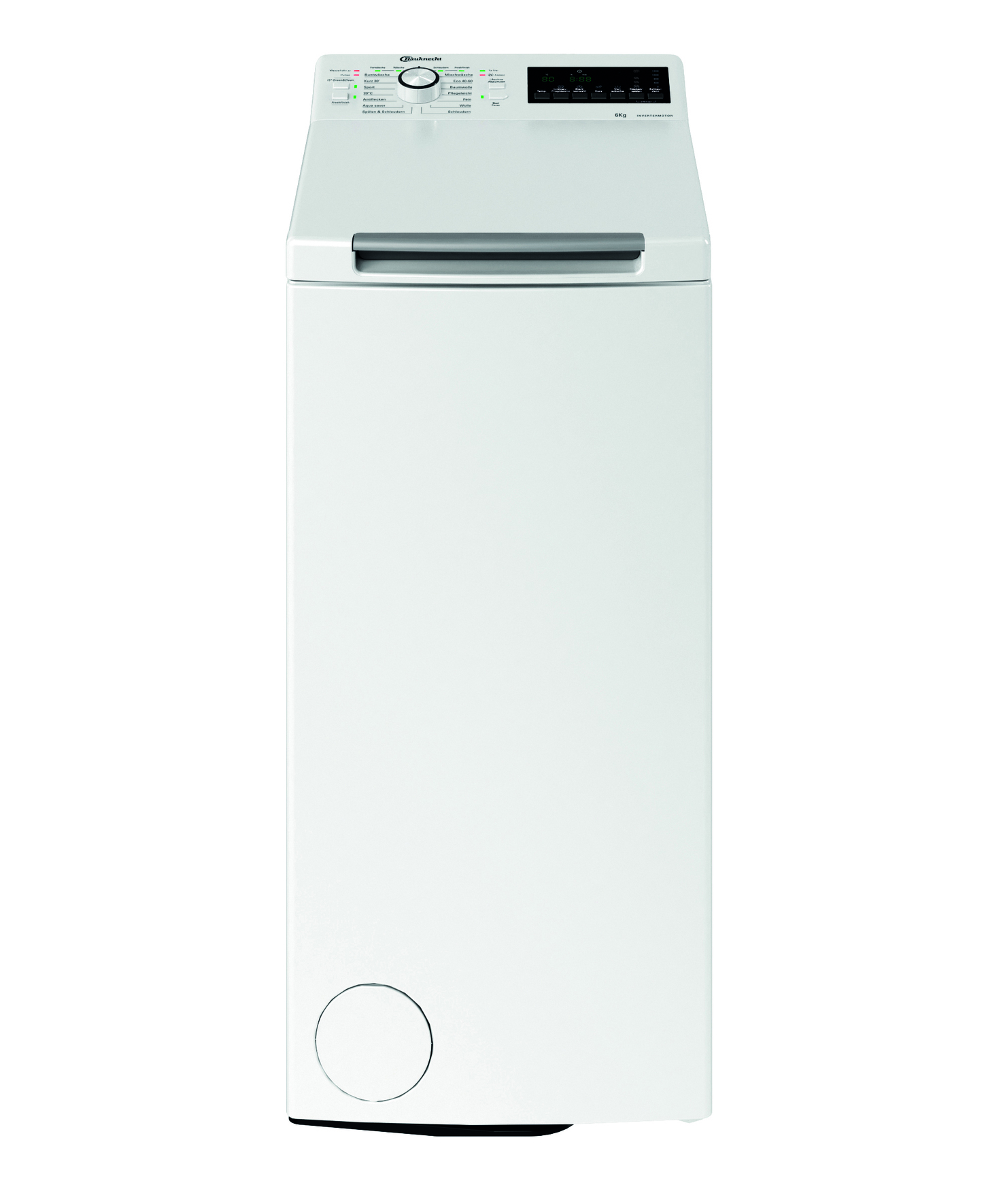 No image available
This top-loader needs clear space above the lid. The product name lists a capacity of 6 kg and a Soft Opening feature. Before choosing it, check that the programme suits your mat’s care instructions.
No, not as a general rule. The permitted temperature depends on the individual mat, so always follow its own care label.
Check the appliance manual for the load limit of the programme you plan to use. Beko notes that an unbalanced load can reduce the spin speed. Adding other washing to balance the load is only an option if it’s compatible with the care instructions and load limits.
Check the planned water and electricity connections, the installation location and the guidance in the appliance manual. The Verbraucherzentrale notes that tenants generally can’t be categorically prohibited from having a washing machine in their flat; you should still check the specific conditions that apply where you live.
Among other things, the EU label shows energy use per 100 Eco wash cycles, water consumption and spin noise. The European Commission bases efficiency requirements on the standardised Eco 40–60 programme. These figures don’t guarantee the consumption of every programme that may be suitable for your mat.
No. When you buy from a retailer, your statutory consumer rights apply against the seller. A manufacturer’s guarantee is an additional voluntary promise with its own terms and conditions. The Verbraucherzentrale states that purchased goods are generally covered by a two-year statutory warranty period.