Who are the different types of machine suited to?

People with limited space

Measure the width, depth and height, as well as the space needed to open the lid or door. AEG lists the LTR6N40260 top-loader as 397 mm wide and 599 mm deep, excluding protrusions; Haier gives dimensions of 510 × 488 × 700 mm for the HW50-BP12307AU1 mini washer.

Households that use flannels regularly

If you plan to wash the flannels with other laundry, the programme and temperature need to suit the care label. For similar items such as towels, the German Environment Agency recommends 40 or 60 °C for hygiene reasons, so check the programmes available on the specific machine.

People who occasionally wash very small loads

A portable machine may suit separate small loads if you’re happy to load it, drain the water and, where necessary, transfer items to the spin compartment yourself. TecTake lists separate capacities for model 400777: 4.5 kg for washing and 3.5 kg for spinning.

What should you look for when buying?

Slim top-loader

A good fit if: width is your main constraint and there’s space above the machine to open the lid.

Keep in mind: A narrow width doesn’t tell you how much depth the machine needs or how much it uses for small loads. Check the full dimensions of the specific model.

Compact front-loader

A good fit if: you need a lower machine and have room in front to open the door. Haier lists the HW50-BP12307AU1 as 510 × 488 × 700 mm.

Keep in mind: Allow space in front of the door and check that the available programmes are suitable for your flannels and their care labels.

Portable mini washing machine

A good fit if: you only wash small, separate loads occasionally and can’t fit a standard household machine.

Keep in mind: With a twin-tub model such as the TecTake 400777, washing and spinning capacities are separate. Also check the water supply and drainage, and which programmes are actually available.

What matters when buying What to check Who should consider this?
Floor space and room to open the machine Measure the full dimensions; allow for the lid or door opening, the route into the space and the connections. If I have little width but plenty of room above, the lid still needs space to open. Around 29% of consumers put the available space first.
Wash temperature and fabric care Check the care label against the programmes you can actually select on the specific model. If I regularly wash flannels with other laundry, I need a programme that suits the care label. Around 24% of consumers prioritise wash temperature and fabric care.
Water supply and drainage Check the water inlet and drain where the machine will stand, and look for a suitable water protection system. If the machine will be near existing connections, or I need to arrange the drainage myself, I want a practical and safe way to manage the water. Around 18% of consumers put this first.
Small or mixed loads Consider your usual laundry load; check washing and spinning capacities separately. If I only want to wash a few flannels separately, I don’t want to use a needlessly large machine. Around 17% of consumers prioritise small, individual laundry loads.
Running costs and installation Compare consumption figures on the same programme basis and check what delivery and installation services include. If the machine will be used often, I’ll consider electricity and water use as well as the right size and the effort involved in connecting it. Around 12% of consumers prioritise these ongoing costs and practical considerations.

Common buying mistakes

  • Measuring only the machine’s width

    A slim top-loader still needs depth and enough clear space to open its lid. A front-loader needs room for its door to open.

    Check the full dimensions of the specific model against the available space and the route into it. Also allow for connections, the door or lid opening, and the room needed to position the machine.

    Poor planning can mean extra work when installing or connecting the machine.

  • Assuming “mini” or “spin” means hygienic washing

    Separate washing and spinning capacities don’t tell you what temperature a machine reaches or whether a programme suits every care label.

    Check the manual to see which programmes and temperatures are actually available. Don’t judge suitability based on the machine type or spin function alone.

  • Comparing consumption figures for different programmes directly

    Figures on the energy label relate to the stated Eco programme. They don’t automatically apply to other programmes.

    Compare machines on the same programme basis and consider which programme you’re likely to use.

    Actual electricity and water use depends on how you use the machine.

  • Leaving water protection and connections until after you buy

    The machine needs a suitable water inlet and drain as well as a suitable space. The consumer advice centre recommends checking the specific requirements before installing a machine in a rented home and making sure it’s protected against water damage.

    Before ordering, check the water protection, connections, drainage and what’s included in the delivery. If needed, discuss installation with your landlord.

Relevant brands and product ranges

AEG

The LTR6N40260 top-loader is an option if width is limited and there’s space above the machine.

  • AEG lists this model with a 6 kg capacity, a width of 397 mm and a depth of 599 mm, excluding protrusions. The manufacturer also states 48 kWh per 100 Eco cycles and 43 l per Eco cycle.
  • These dimensions and consumption figures apply to the LTR6N40260 model and not to all AEG machines.

Haier

The HW50-BP12307AU1 mini washer is a low-profile compact front-loader for spaces with limited height.

  • Haier lists this model with a 5 kg capacity and dimensions of 510 × 488 × 700 mm.
  • The front door needs room to open. Check the manual to make sure the programmes are suitable for your flannels.

Bauknecht

The WMT Pro Eco 6ZB is a slim top-loader for spaces with limited width.

  • Bauknecht lists this model as 40 × 60 × 90 cm, with a 6 kg capacity.
  • The manufacturer gives it energy class B and a spin speed of 1,200 rpm. Check the availability and programmes of the specific model.

TecTake

Model 400777 is a portable twin-tub machine for separate small loads.

  • TecTake lists a 4.5 kg washing capacity, a 3.5 kg spinning capacity and dimensions of 65 × 40 × 75 cm.
  • The separate spin compartment and water handling mean a few extra steps. Check which programmes are available for your laundry.

Costway

Small fully automatic washing machines can be an alternative to a manual twin-tub design.

  • Costway describes a specific machine with a 3.5 kg capacity and wash, rinse and spin cycles.
  • Check the manual to see whether the programmes and temperatures suit your flannels.

Joybuy products for small laundry areas

This selection includes compact front-loaders for mixed laundry, a slim top-loader and a foldable mini washing machine for small, separate loads.
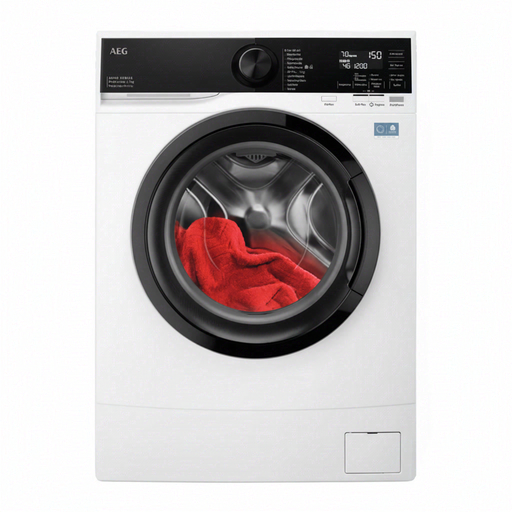
AEG LSR6FA75470 6000 Series ProSense Slim washing machine

AEG LSR6FA75470 6000 Series ProSense Slim

A front-loader for regular washes with other items; the product name lists a 7 kg capacity, 1,400 rpm and energy class A.

View at Joybuy
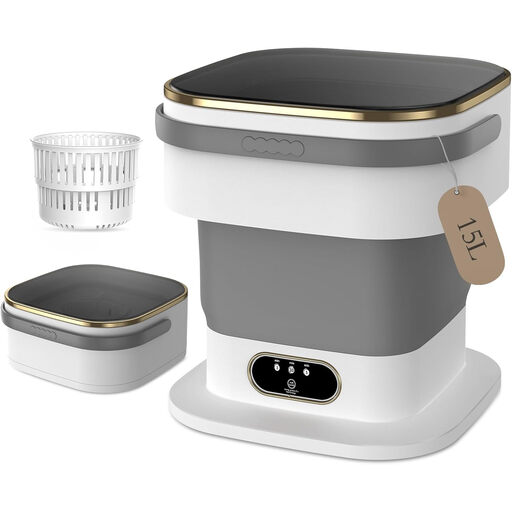
Foldable portable mini washing machine, 15 litres, with spin basket

Foldable mini washing machine, 15 L, 3 wash modes with spin basket

For small items you want to wash separately; the product name lists a 15-litre capacity, three wash modes and a spin basket.

View at Joybuy
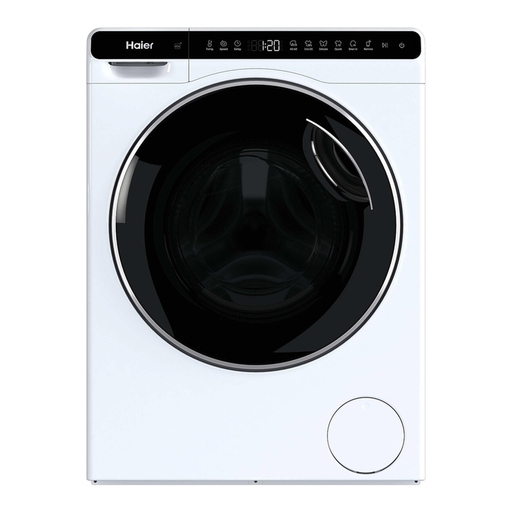
Haier Mini Series HW50-BP12307U1 washing machine

Haier Mini Series HW50-BP12307U1

A compact front-loader for washing with other items; the product name lists a 5 kg capacity, energy class A and a quick-wash option from 15 minutes.

View at Joybuy
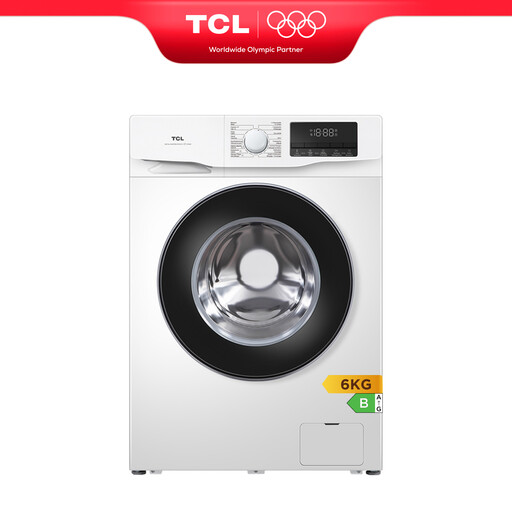
TCL FF1006WB0 slim washing machine

TCL FF1006WB0 slim washing machine

For a space with limited depth; the product name lists a depth of 45 cm, a 6 kg capacity and energy class B.

View at Joybuy
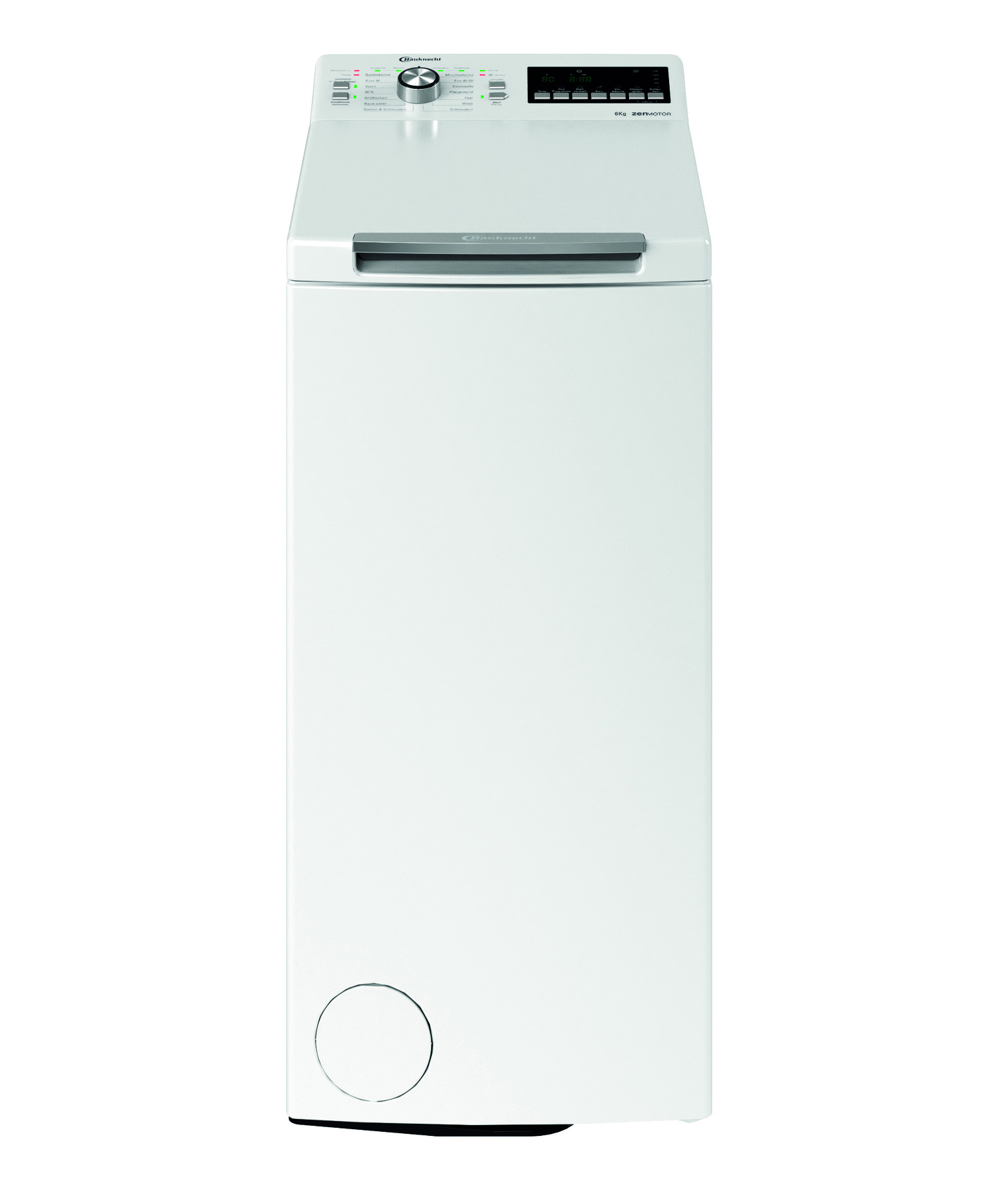
Bauknecht WMT Star 6ZB top-loading washing machine

Bauknecht WMT Star 6ZB

A top-loader for a narrow space; the product name lists a 6 kg capacity, 1,200 rpm and energy class B. Allow room to open the lid.

View at Joybuy

Frequently asked questions

Do flannels always need to be washed at 60 °C?

No, not as a general rule. For similar items such as towels, the German Environment Agency recommends 40 or 60 °C for hygiene reasons. Extra laundry disinfectant isn’t needed for normally soiled laundry in households with healthy members. Follow the care label; different guidance may apply in certain health situations.

Can I install a washing machine in my rented home without any special arrangements?

Check that the proposed location and connections are suitable for the machine. The consumer advice centre recommends discussing the situation with your landlord and making sure the machine is protected against water damage.

How can I keep the machine and flannels clean when I only have small loads?

Let flannels dry after use and wash them according to their care labels. The German Environment Agency recommends occasional 60 °C washes to help prevent bacterial build-up in the machine, and dosing detergent according to water hardness and how soiled the laundry is. If you have a mini machine, first check which temperatures it can actually reach.

What does the EU energy label tell me about consumption?

For household washing machines covered by the label, it shows figures including kWh per 100 Eco cycles and litres per Eco cycle. These figures don’t automatically apply to every other programme. Compare machines on the same programme basis and take your usage into account.

What are my rights if a new machine is faulty?

When you buy from a business seller in the EU, you’re generally entitled to a minimum two-year legal guarantee from the date you receive the goods. The seller is your point of contact; an additional manufacturer’s guarantee doesn’t replace these rights. This information relates to EU rules.