Shared houses with stained aprons
If you wash reusable aprons with food or everyday stains, choose a programme that suits the care label and fabric. For stubborn stains, Forum Waschen recommends using an appropriate pre-treatment.


Start by choosing a washing machine with programmes and temperatures suited to the care labels on your aprons; stubborn stains may need pre-treatment. Match the drum size to the loads you’ll actually be washing together, then compare the machine’s dimensions, spin noise and EU energy label figures. If you’re renting, you should also check the installation location, connections and water protection.
If you wash reusable aprons with food or everyday stains, choose a programme that suits the care label and fabric. For stubborn stains, Forum Waschen recommends using an appropriate pre-treatment.
If several people share a machine, the drum size should suit the amount of laundry you’ll actually be washing together. The consumer advice centre recommends choosing a machine size to match the household.
If space is tight in your rented home, check that the machine’s design, door opening and connection space suit its intended location. Spin noise can also matter to your housemates.
First check how to care for your aprons, then consider the right load sizes. Finally, make sure the machine and its running costs suit your shared house and the space where it will be installed.
| Buying priority | What to check | Who it matters most to |
|---|---|---|
| Cleaning stained aprons gently | Care labels, temperature settings and suitable fabric programmes; for stubborn stains, plan for pre-treatment too. | If I wash aprons with different types of stains, I want to be able to choose a suitable programme without ignoring the care label. Around 29% of consumers say apron care is their top buying priority. |
| Shared and separate loads | Compare the amount of laundry you’ll actually wash together with the load limit for the programme you plan to use. | In a shared house, it matters whether you regularly have full communal loads or wash aprons separately. Around 29% of consumers prioritise finding the right capacity. |
| Installation space, water protection and noise | Check the machine’s dimensions, including space for the door and connections, its spin noise and the specific water protection system. | If you’re installing the machine in a rented home near living areas, you’ll need room for the door to open and for the connections, while keeping disruption to housemates to a minimum. Around 21% of consumers say installation and noise are their top priorities. |
| Running costs | Compare kWh per 100 Eco-40–60 cycles, water consumption and capacity on the EU label; don’t assume the label figure applies to other programmes. | If the machine runs frequently, I want to compare the consumption of similar models while also taking into account the programmes we’ll actually use. Around 21% of consumers prioritise running costs. |
The rated capacity doesn’t apply to every fabric type or programme. The German Environment Agency recommends smaller loads for easy-care and delicate laundry than for regular whites and colours.
Compare your actual loads with the permitted load for the programme you plan to use for your aprons.
If a suitable programme only allows a smaller load, you may need to run additional wash cycles more often.
The consumption figure on the EU label is based on the Eco-40–60 programme. It doesn’t predict consumption for every stain-removal or quick-wash programme.
Compare label figures on a like-for-like basis and consider which programmes your shared house is likely to use in practice.
A steam function described by the manufacturer as a refresh isn’t automatically a wash cycle for stained aprons. Forum Waschen recommends suitable pre-treatment for stubborn stains.
Check whether the programme actually washes and is suitable for the care label; don’t rely on a refresh function alone to remove stains.
According to the consumer advice centre, washer-dryers use more electricity and water than separate machines. They can often dry only part of the wash load at a time.
If you have a clothes airer or another way to dry laundry, compare a washing machine-only model too.
Depending on how you use it, you may need to run an additional drying cycle after washing.
For the W5G484A3P1, Gorenje lists a freestanding front-loading machine with an 8 kg capacity and a spin speed of 1400 rpm.
Haier lists the HW80-BP14637T as a freestanding 8 kg machine with a depth of 468 mm.
For the BM3WFU4841A, Beko lists an 8 kg capacity, a spin speed of 1400 rpm, a stain programme and a quick programme for loads of up to 2 kg.
For the WAN282E3, Bosch lists dimensions of 845 × 598 × 590 mm, an 8 kg capacity and AquaStop.
For the WWB360 WCS PWash&8kg, Miele lists an 8 kg capacity, a spin speed of 1400 rpm and additional washing functions.
Each of the following Joybuy washing machines has an 8 kg capacity and could be a starting point when planning shared-house loads. Before buying, check that the dimensions, programmes and load limits suit your aprons and the installation space.
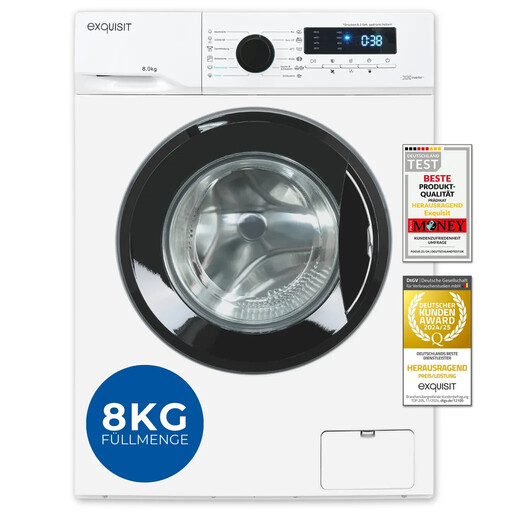 No image available
Described as a freestanding front-loading machine with an 8 kg capacity for shared-house laundry.
Listed with 13 programmes, a spin speed of 1400 rpm and dimensions of 84,5 × 59,5 × 52,5 cm.
Cotton Care, pre-wash and a quick programme are also listed; stubborn stains may need suitable pre-treatment.
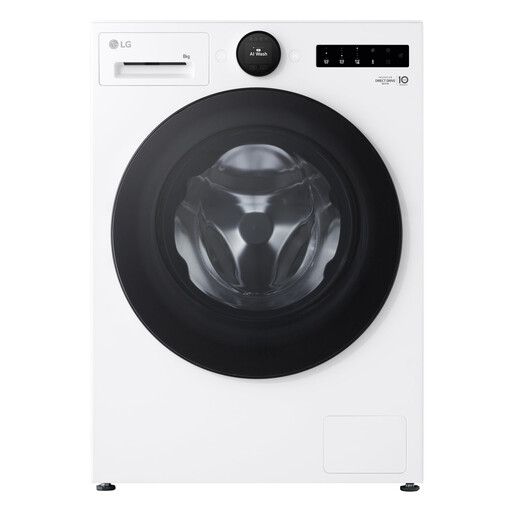 No image available
A freestanding front-loading machine with an 8 kg capacity for shared laundry.
Listed with a spin speed of 1350 rpm, a noise level of 72 dB(A) and AquaLock; dimensions are 56,5 × 60 × 89 cm.
Cotton, Easy Care, Mix and pre-wash programmes are listed. TurboWash 360° is described as taking 39 minutes for a half load.
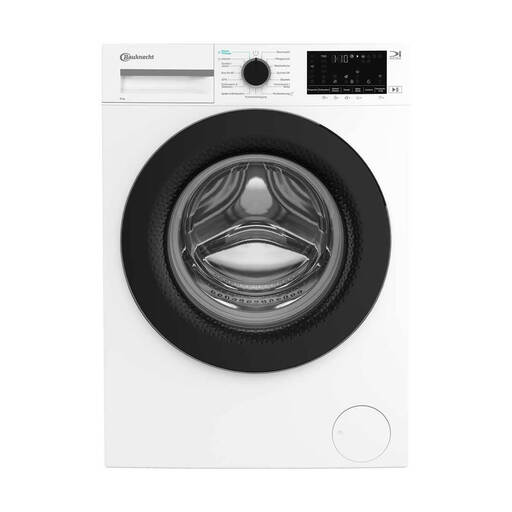 No image available
This freestanding washing machine is described as having an 8 kg capacity for shared loads.
Listed with a spin speed of 1400 rpm and dimensions of 85 × 59,5 × 60,5 cm.
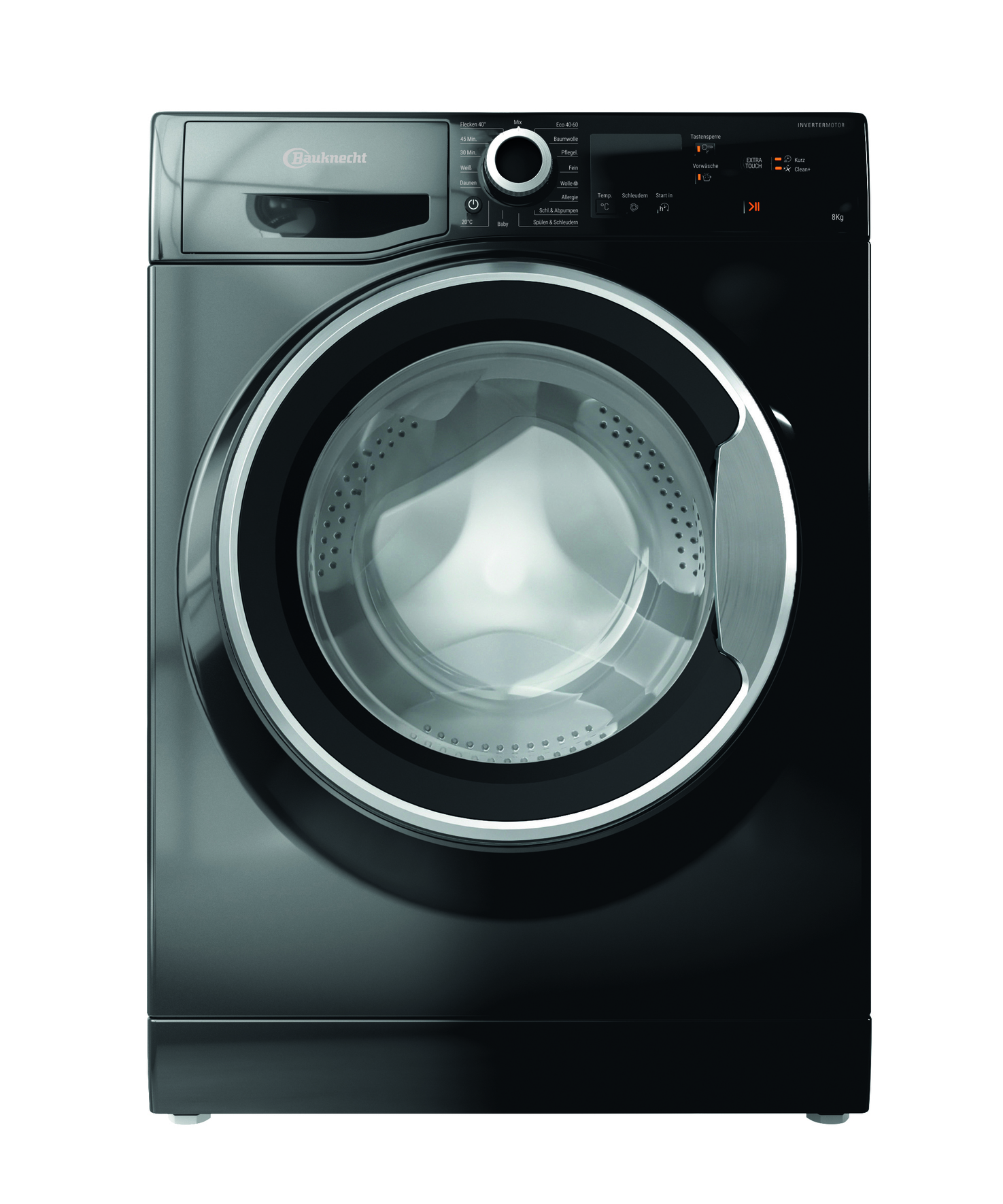
A “Stains 40°” programme and a 45-minute programme for full loads are listed. The spin noise level is given as 76 dB(A); stubborn stains may still need pre-treatment.
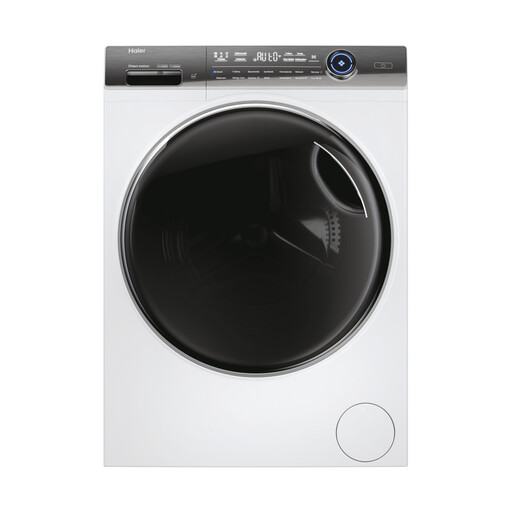 No image available
Described as a freestanding front-loading machine with an 8 kg capacity for shared laundry.
Listed with a spin speed of 1400 rpm, a spin noise level of 65 dB, AquaStop and a depth of 50 cm.
The product description lists 14 programmes and six specialist stain programmes. Stubborn stains may still need pre-treatment.
 No image available
A freestanding washing machine with an 8 kg capacity for shared-house laundry.
Listed with a spin speed of 1400 rpm and dimensions of 85 × 59,5 × 60,5 cm.
“Stains 40°”, a quick programme and a wool programme are listed. The spin noise level is given as 76 dB(A); stubborn stains may need pre-treatment.
No. The care label specifies the recommended maximum temperature and, where necessary, a gentler treatment. For stubborn stains, start by choosing a pre-treatment that suits the fabric. Special measures for infectious diseases shouldn’t be confused with the routine cleaning of every apron in a shared house.
According to the German Environment Agency, disinfection isn’t generally needed for ordinary household laundry. A function described as a steam refresh isn’t automatically a full wash cycle. If there are specific health concerns, follow the care label and appropriate expert advice.
Check the installation location, suitable connections and protection against water leaks, and discuss your specific situation with your landlord. The consumer advice centre notes that tenants generally can’t be prevented from installing a washing machine in their home; check your tenancy agreement and insurance terms separately.
Compare the EU energy label figures for household washing machines on a like-for-like basis. The European Commission describes the A to G scale, which has applied to the washing machines covered since 1 March 2021. The stated consumption is based, among other things, on 100 Eco-40–60 cycles and doesn’t predict the consumption of any stain-removal or quick-wash programme.
If there’s a fault, the seller is generally responsible for your statutory rights; the consumer advice centre says these cover faults that were present at the time of delivery for two years. Online purchases generally come with a 14-day right to cancel, subject to the conditions and time limits that apply to your specific case. This is separate from any voluntary manufacturer’s guarantee.