People with a fixed washing slot
If you use the machine according to a shared schedule, consider how long the relevant programme takes and whether a delay-start function is available.


Choose a washing machine with a suitable programme that fits within your agreed washing slot and is right for the load and care label on your aprons. When dealing with stains, the right programme and fabric care matter more than simply choosing the shortest cycle. For shared loads, the key factors are the drum capacity you actually need and the load limits for the programmes you use.
If you use the machine according to a shared schedule, consider how long the relevant programme takes and whether a delay-start function is available.
If food or everyday stains are a regular problem, the programme, any pre-treatment and the care label all need to suit the apron in question.
If you collect aprons until the next shared washing slot, the drum should suit your usual load – not just offer the highest possible rated capacity.
| Priority | What to check before buying | Who is it most relevant to? |
|---|---|---|
| Finishing the wash within your time slot | Check the duration and permitted load for the programme you need, and allow time to collect the washing. | If I need to free up a shared machine on time, the duration of the right cycle matters to me. Around 36% of consumers prioritise their washing slot. |
| Stains and fabric care | Check the care label, temperature and stain options against the aprons you use. | If my aprons are stained, I want to balance cleaning performance with fabric care and follow the care label, rather than relying on a quick wash alone. Around 29% of consumers have this priority. |
| Capacity for shared loads | Compare your usual apron load with the rated capacity and the load limit for the programme you choose. | If I collect several aprons until the next washing slot, the capacity should suit my regular load. Around 21% of consumers prioritise washing multiple items together. |
| Energy use and installation | Compare EU energy label ratings within a suitable size category, and check the space available, connections and water protection. | If the machine is in a shared space, I look beyond energy use to make sure it will fit and the installation requirements can be met. Around 14% of consumers prioritise installation and operation. |
The EU energy label shows figures for the Eco 40–60 programme. These figures are not a direct measure of the energy use of other programmes.
For the Beko BM3WFU4841W, Beko Germany specifies a maximum load of 2 kg for Xpress 14 minutes, even though the machine has a rated capacity of 8 kg.
Plan your washing slot around the duration and load limit of the programme you actually intend to use.
If your apron load exceeds the programme limit, you may need to run an extra cycle, which will take more time.
The figures on the EU energy label refer to Eco 40–60 and cannot automatically be applied to stain or quick-wash programmes.
Compare label figures on a like-for-like basis, and check additional programme information if you usually wash with a different cycle.
A feature name is no substitute for checking the care label and the conditions for the programme in question.
Choose washing conditions to suit the fabric and the programme. Workplace hygiene requirements are only relevant if the apron is actually worn when handling food.
The Bosch WUU28T70 is a front-loading machine with an 8 kg rated capacity, Reload function and AquaStop – worth considering if these features suit your shared household.
According to Beko Germany, the Beko BM3WFU4841W combines an 8 kg rated capacity with StainExpert and a quick-wash programme.
The W1 front-loader WWE380 WPS PWash&Steam&8kg is an 8 kg option with QuickPowerWash and SteamCare, according to Miele’s specifications for the model.
According to AEG, the fully integrated AEG LR8WI7480 offers a stain option, time-saving settings and a delay-start function. It may be suitable if you have a suitable space for an integrated model.
This selection includes washing machines with features for planned wash times, apron loads and different load sizes. Check the duration and permitted load for the specific programme you intend to use.
 No image available
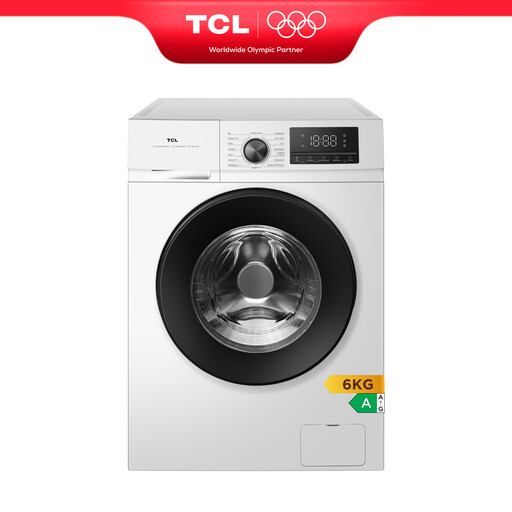
The stated 15-minute quick wash may suit small loads when your washing slot is short; according to the product description, it is designed for lightly soiled laundry.
6 kg rated capacity; steam wash; Honeycomb drum; child lock; BLDC motor; energy class A.
 No image available
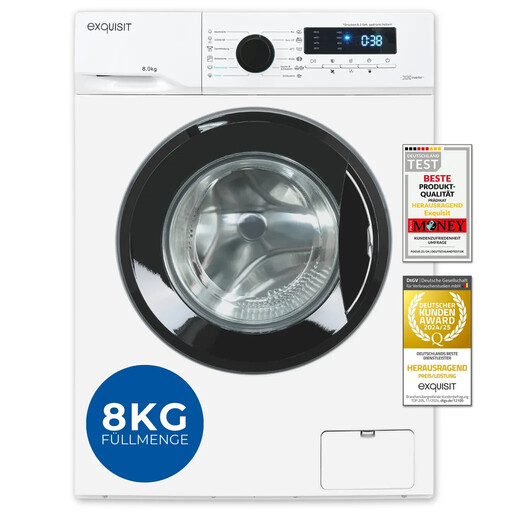
The stated delay-start function may help you plan around a shared washing slot.
8 kg rated capacity; maximum 1,400 rpm; delay start from 3 to 24 hours; 13 programmes; energy efficiency class A.
 No image available
The rated capacity may be useful for larger shared loads. Check that the load limit for your chosen programme suits the number of aprons you need to wash.
13 kg rated capacity; 1,360 rpm; delay start from 3 to 19 hours; Quick 14 programme; Steam and Allergy Care programmes; AquaLock water protection.
 No image available
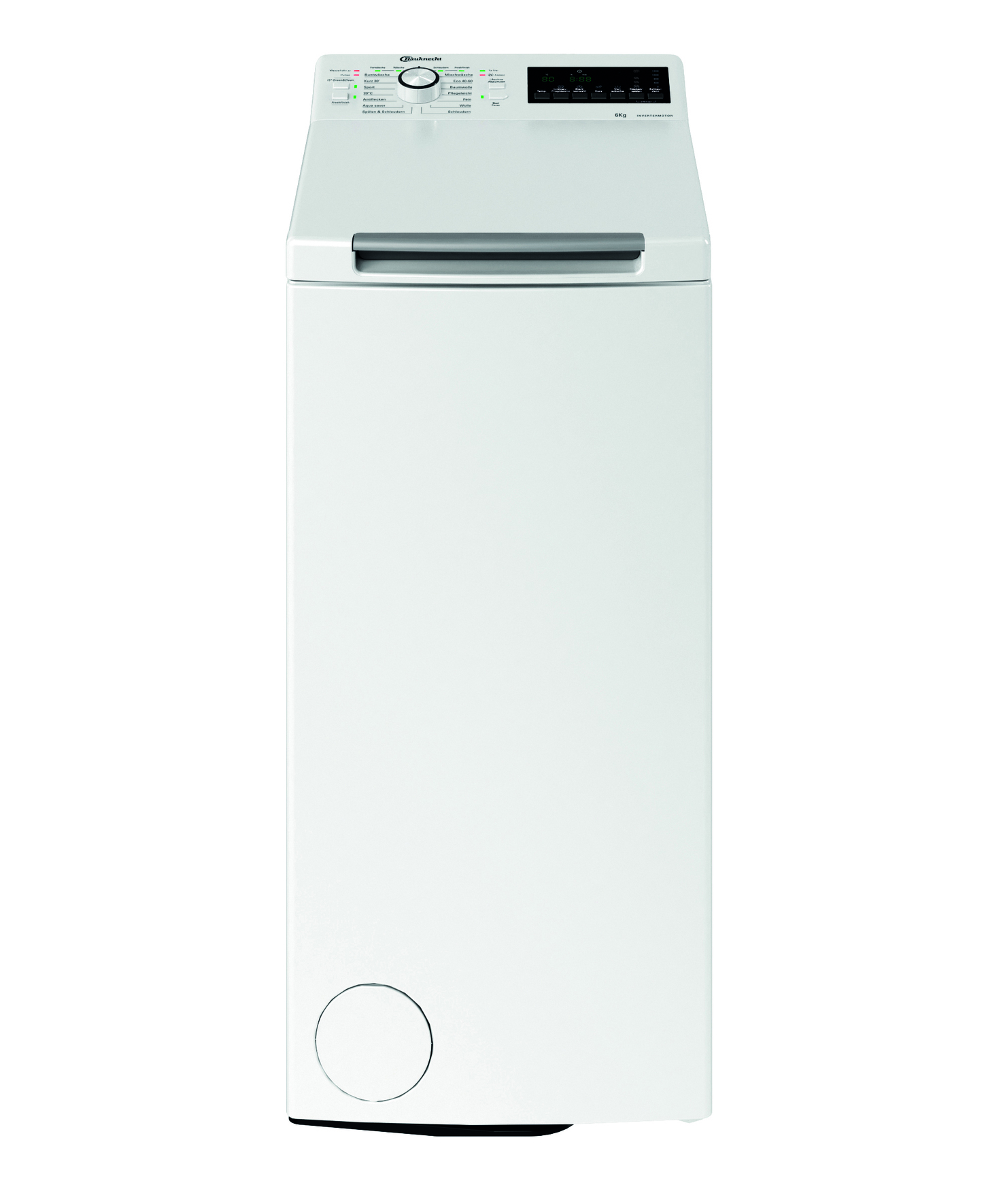
The stated 30-minute wash and 20°C anti-stain programme may be worth considering for smaller apron loads. Check that the programme you choose is suitable for the care label.
6 kg rated capacity; top-loading; 20°C anti-stain programme; energy efficiency class A.
 No image available
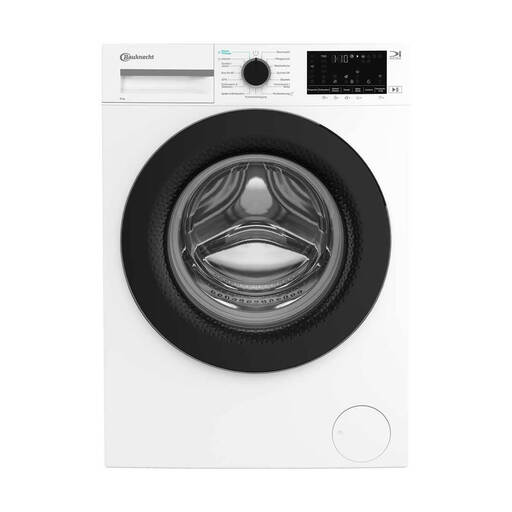
The rated capacity is a useful point of comparison for regular shared loads. If load sizes vary, check the conditions for the programme you choose.
8 kg rated capacity; 1,400 rpm; according to the product description, Adaptive Wash adjusts water, time and drum movement to the load; energy efficiency class A.
Not based on the rated capacity alone: Beko Germany specifies a maximum load of 2 kg for the Beko BM3WFU4841W’s Xpress 14-minute programme. For other models, check the load limit for the specific programme and make sure it suits the level of soiling and the care label.
Remove wet laundry promptly, then dry the seal and detergent drawer after use. The Verbraucherzentrale also recommends running a 60-degree whites wash with powder detergent about once a month. This is care advice, not a requirement for every load of aprons.
Among other things, the EU energy label shows electricity use per 100 wash cycles, water use per cycle and the duration of Eco 40–60. On their own, these figures cannot give you precise costs for other programmes or based on your own electricity and water rates.
Yes, if the apron is worn at work in an area where food is handled: Regulation (EC) No 852/2004 requires suitable, clean and, where necessary, protective clothing. It does not set a universal washing temperature for every apron. The German Federal Institute for Risk Assessment recommends clean, fresh work clothes each day for staff in communal catering.
Before ordering, check the space available, connections and what the delivery and installation services include. Under certain conditions, Section 17 of the German Electrical and Electronic Equipment Act (ElektroG) requires free take-back of an equivalent old appliance when you buy a new one. Check during the ordering process whether the retailer in question is covered and how collection is arranged.