Households with limited width
If width is your main constraint, a top-loader could be an option. Check that the lid can open fully and that there’s enough room to load the machine. Bauknecht lists the WAT Eco 712 B3 as 40 cm wide.


First, measure the width, depth and height of the space, along with the room needed to open and load the machine. Take connections and the delivery route into account, too. If width is limited, a top-loader may fit; if depth is the issue, consider a shallower front-loader. The dimensions and operating clearance required will depend on the specific model. Also check the permitted load for the programme you plan to use for your bedding. A washer-dryer is worth considering if there’s no room to dry clothes separately; according to the consumer advice centre, these combination appliances use more electricity and water than separate machines.
If width is your main constraint, a top-loader could be an option. Check that the lid can open fully and that there’s enough room to load the machine. Bauknecht lists the WAT Eco 712 B3 as 40 cm wide.
If depth is limited, a front-loader with a smaller stated depth may be an option. Also check that there’s enough clearance for the door and connections: Haier notes that the porthole door and hoses can affect the space required.
If you don’t have a separate tumble dryer or a suitable place to dry your laundry, a washer-dryer may be worth considering. The consumer advice centre notes that these appliances use more electricity and water than separate machines.
First, measure the available space, including clearance for opening the machine and room for the connections. Then compare the permitted load for the relevant programme with your bedding, and check where you can dry your laundry.
| Consideration | What to check before buying | Who should pay particular attention |
|---|---|---|
| Space and access | Bauknecht lists the WAT Eco 712 B3 as 40 cm wide; Haier gives the dimensions of the HW80-B14667TU1 as 595 × 507 × 850 mm (W × D × H). Also check clearance for the lid or door and space for the connections. | If width is my main constraint, I still need to be able to load the machine comfortably. Around 36% of consumers put available space and access first. |
| Room for bedding | Check the size and number of your bedding items, as well as the permitted load for the programme you plan to use. Bauknecht notes that a large bed sheet can take up a significant part of a load. | If I mainly wash bedding, the permitted load for the right programme matters more to me than a general estimate of how many items will fit. Around 36% of consumers are primarily concerned with bedding capacity. |
| Drying in a small space | Consider whether you can dry your laundry elsewhere. According to the consumer advice centre, washer-dryers use more electricity and water than separate machines; they can also dry only part of a wash load at a time. | If I don’t have a separate place to dry clothes, I need a practical way to dry my bedding after washing it. Around 14% of consumers prioritise the lack of a suitable drying space. |
| Consumption and protection | Compare the consumption figures on the EU energy label and check the connection and water-protection requirements. The German Environment Agency recommends choosing a machine suited to your household size, with low electricity and water consumption. | If running costs and safe operation are my main considerations, I also want to check the connection requirements and any services available for installation. Around 14% of consumers have this as their main concern. |
The porthole door and connection hoses may extend beyond the stated appliance dimensions. As a result, a machine could protrude too far into the available space, even if its body is the right depth.
Measure the specific model, its connections and the clearance needed in front of the porthole separately. Also consider the route for getting the machine to its intended position.
Large items can take up a lot of room in the drum. The rated capacity alone won’t tell you how many of your bedding items can be washed on the programme you plan to use.
Check the size and care labels of your bedding, and follow the programme instructions for the specific model.
A washer-dryer’s permitted drying load may be smaller than its washing load. The consumer advice centre also notes that these appliances use more electricity and water than separate machines.
Compare the washing and drying capacities, along with the consumption figures for each cycle. Consider a combination appliance especially if you have no other place to dry your laundry.
The appliance dimensions alone won’t tell you whether the machine can be installed and connected in the space you have in mind.
Before ordering, check the connection requirements and, if you rent your home, confirm the installation with your landlord. Also check exactly which delivery and installation services are available.
Top-loaders such as the WAT Eco 712 B3 may be an option if width is limited.
Front-loaders such as the HW80-B14667TU1 may be worth considering if depth is limited.
The WUU28T48 is a front-loader designed to fit under a worktop.
The LTR6N40270 top-loader is another type to consider if width is limited.
The WM14N29E front-loader may be an option if you have enough width and depth.
The following Joybuy selection includes front-loaders with stated rated capacities of 5 to 9 kg. Check the specific dimensions, connections and opening clearance for your laundry area. The right load for your bedding will also depend on the programme you use.
 No image available
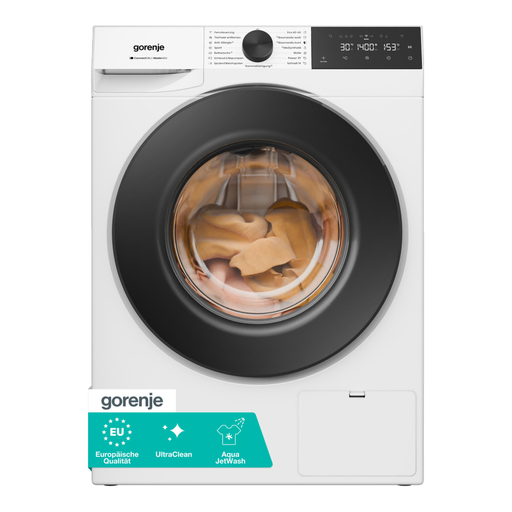
Could be an option for washing bedding in a front-loader; check that the model fits in your laundry area.
The product title lists a rated capacity of 8 kg, a Bedding programme, a depth of 460 mm and 15 programmes.
 No image available
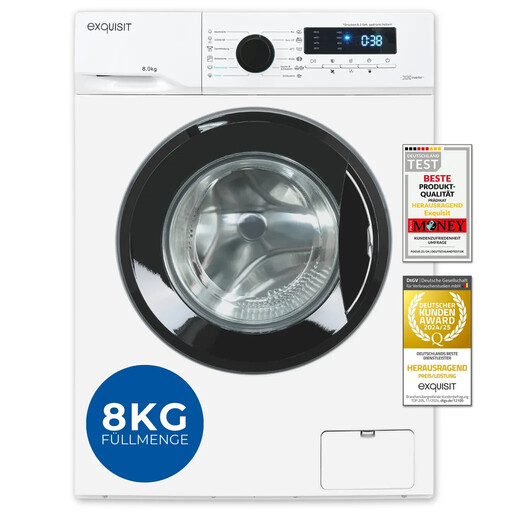
The stated rated capacity may be a factor when choosing a machine for bedding; compare it with the permitted load for the programme you plan to use.
The specifications list an 8 kg capacity, energy class A, a spin speed of up to 1,400 rpm and 13 programmes. The dimensions are given as 84.5 × 59.5 × 52.5 cm.
 No image available
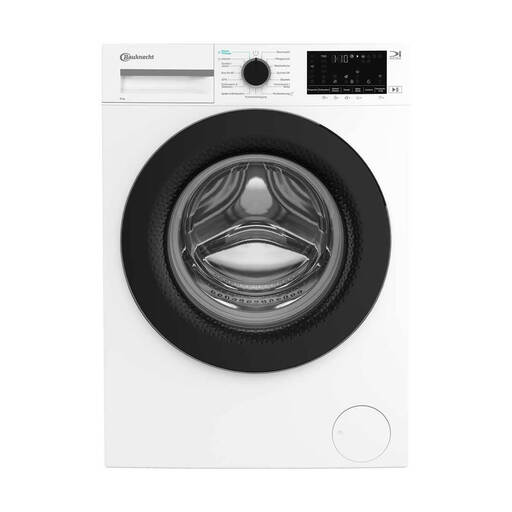
If you’re looking for a front-loader for bedding, check the appliance dimensions and permitted programme load against the space where it will be installed.
The specifications list an 8 kg capacity, energy class A and a maximum spin speed of 1,400 rpm. The dimensions are 84.5 × 60 × 55 cm.
 No image available
The stated rated capacity may matter for larger bedding loads; check the permitted load for the programme you plan to use.
The product title lists a capacity of 9 kg, a spin speed of 1,200 rpm, the description ‘Slim Fit’ and energy class A. Check the specific appliance dimensions against your alcove and connections.
 No image available
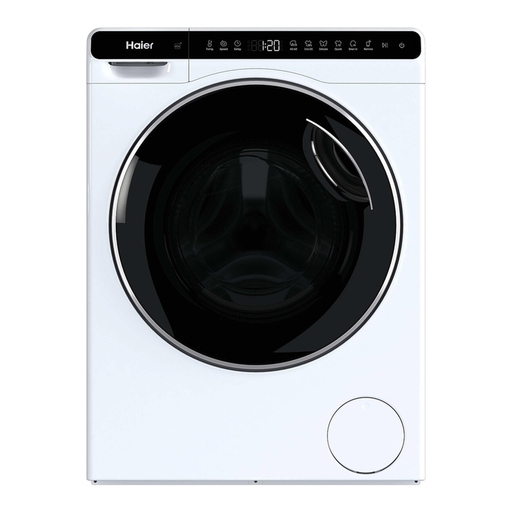
The stated external dimensions can help you check whether the machine will fit in a small laundry area; for bedding, pay particular attention to the permitted programme load.
The specifications list a 5 kg capacity and dimensions of 70 × 51 × 49 cm.
You can’t tell from the rated capacity alone. Large bedding items can take up a lot of room, so check the size and number of your items, their care labels and the permitted load for the programme you plan to use.
No. A shallower front-loader could also work if the width, door clearance and connections are suitable. Haier lists the HW80-B14667TU1 as 507 mm deep; the porthole door and hoses may affect the space required.
Follow the care label and programme instructions, and dose detergent according to the load size, how soiled the laundry is and your water hardness. The consumer advice centre recommends running a full load – except for woollens and delicates – and using suitable Eco programmes.
When you buy from a business, goods are generally covered by a statutory two-year minimum guarantee against defects from the date you receive them; a voluntary manufacturer’s warranty does not replace this. Online purchases generally come with a 14-day right to cancel, subject to legal exceptions. Your Europe and the Council of the European Union explain these consumer rights.