
Lieferung heute & morgen

Qualitätsgarantie
App herunterladen
Kategorien
Modern washing machines are designed for efficiency and low-temperature washes. While this mode of operation reduces energy consumption, it also creates conditions where biofilm, limescale deposits, and detergent residue can accumulate. These deposits not only cause unpleasant odours but can also impair the appliance's lifespan and performance. A specially formulated washing machine cleaner is an essential tool for regular appliance maintenance to preserve the machine's functionality and hygiene.
This guide analyses the technical criteria for selecting a suitable cleaner and presents a selection of products with different modes of action.
The choice of a cleaner should be based on an analysis of the specific problem and the product's ingredients. Three main criteria are crucial here.
The chemical composition determines the cleaner's primary purpose.
The condition of the machine determines the type of cleaner needed.
The delivery form affects the application and distribution of the active ingredient.
The following selection is based on an analysis of product specifications and their intended use cases.
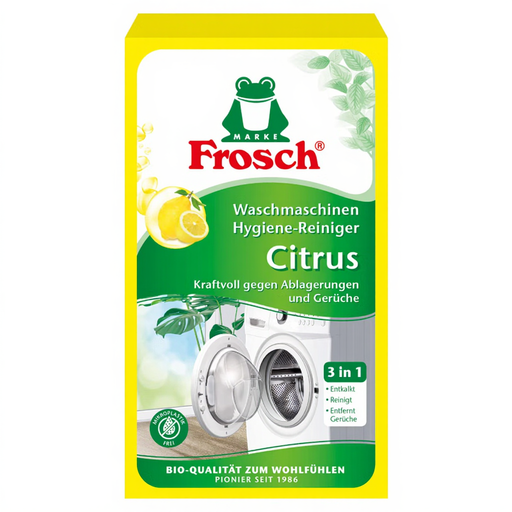
Why we recommend this product The Frosch Hygiene Cleaner uses a 3-in-1 formula based on citric acid. This composition enables simultaneous cleaning, descaling, and odour elimination. The formulation is declared to be gentle on materials and aims to remove limescale and dirt deposits in the drum, pipes, and on the heating elements. According to the manufacturer, the packaging is made from 95% recycled paper.
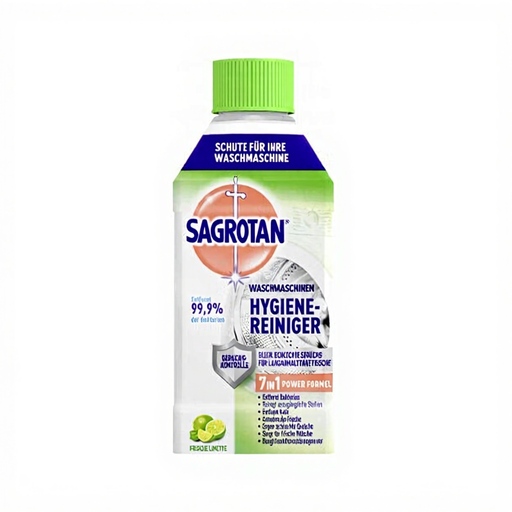
Why we recommend this product This product is classified as a biocidal product and is aimed at disinfecting the washing machine. According to the manufacturer, it removes 99.9% of bacteria. The formula, with lactic acid and other biocidal agents, is designed to combat bad odours by targeting their microbial cause. The product can be used for both internal and external cleaning (dispenser drawer, seals).
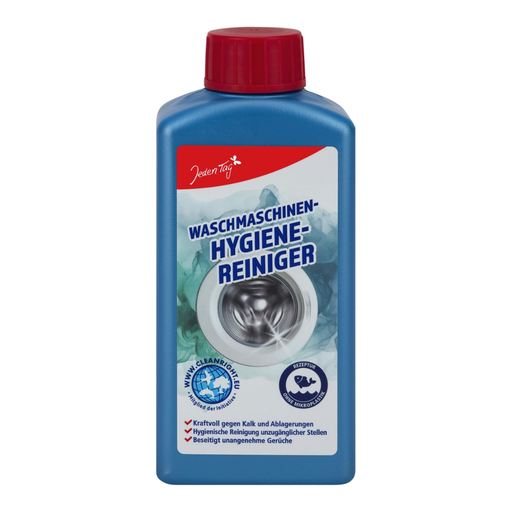
Why we recommend this product The cleaner from Jeden Tag is designed as a biocide-free product for regular appliance maintenance. Its liquid formulation is based on non-ionic surfactants and fragrances to dissolve light soiling and provide freshness. Its application is straightforward and intended for the routine upkeep of machine hygiene.
The products presented here cover specific use cases. If you are looking for other specialist cleaners or alternative formulations, you can find a wider selection of products for household and appliance care in our Hygiene Cleaners category.
1. How often should you use a washing machine cleaner? The frequency of use depends on the machine's condition, water hardness, and usage. As a general guideline, a preventative clean every one to three months is recommended. For acute odour problems or in households with high hygiene standards, more frequent use, as specified by the product manufacturer, may be appropriate.
2. Can you also clean the washing machine with home remedies? Home remedies like citric acid or vinegar can be used for descaling. However, caution is advised: acetic acid, for example, can damage rubber seals and hoses. Commercially formulated washing machine cleaners offer a composition tailored to the machine's materials, often combining multiple active ingredients for cleaning, descaling, and care, thus providing a balanced solution.
3. What should you do if the washing machine still smells after cleaning? If the odour persists after a standard cleaning, deep-seated deposits may be the cause. In this case, a second application with an intensive cleaner (e.g., a product with biocides) may help. Also, manually check the lint filter, the door's rubber seal, and the dispenser drawer, as dirt and moisture can also collect here. Regularly leaving the machine door open after a wash promotes drying and helps prevent odour build-up.